



Meet the Humble Superfood
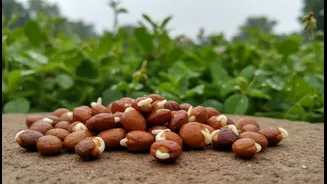
Known as kulthi dal in Hindi, kollu in Tamil, and ulavalu in Telugu, horse gram (Macrotyloma uniflorum) is a resilient lentil that has been a staple in South Indian diets for centuries. Despite its name, which comes from its historical use as fodder for livestock,
this humble pulse is a nutritional giant for humans. It's a small, oval-shaped, dark brown legume that is now gaining widespread recognition from health experts for its impressive profile. Traditionally used in Ayurvedic medicine, horse gram is praised for its warming properties, making it a focus of conversation, especially as the seasons change.
A Nutritional Powerhouse
Don't let its size fool you; horse gram is packed with essential nutrients. It is an excellent source of plant-based protein, dietary fiber, and iron. It is also rich in calcium, phosphorus, and antioxidants like polyphenols and flavonoids. This potent combination contributes to its many health benefits. The high protein and fiber content help in keeping you full for longer, aiding in weight management. The significant iron content is beneficial for improving hemoglobin levels, which can be particularly useful for women facing menstrual issues. Furthermore, it has a low glycemic index, which means it releases sugar into the bloodstream slowly, making it a suitable choice for individuals managing diabetes.
The Monsoon Connection
So why is horse gram the talk of the town this monsoon? The rainy season, while beautiful, often brings a spike in common ailments like colds, coughs, and fevers, along with sluggish digestion. Horse gram's warming nature, as recognized in Ayurveda, is believed to be beneficial during this damp and cool season. Traditionally, a warm bowl of horse gram soup or rasam is consumed to help relieve chest congestion and melt mucus, making breathing easier. Its properties as an expectorant can provide comfort during respiratory issues common in the monsoon. Moreover, the antioxidants and nutrients like iron help fortify the immune system, making the body more resilient against seasonal infections.
Modern Science and Traditional Wisdom
The renewed interest in horse gram is where modern nutritional science meets ancient wisdom. Ayurvedic texts have long cited kulthi for its diuretic properties, suggesting it helps in preventing kidney stones by flushing toxins. Scientific studies are now exploring these claims. For instance, research from the Indian Institute of Chemical Technology has noted that raw horse gram seeds can help in reducing post-meal blood sugar surges. Celebrity nutritionists have also highlighted its benefits, recommending horse gram soup to combat issues like monsoon hair fall, linking it to the lentil's rich iron and calcium content.
How to Add It to Your Diet
Incorporating horse gram into your diet is simple. However, it requires some preparation as it is a hard lentil. The most common method is to soak the grains overnight. This not only softens them but also helps reduce the presence of phytic acid, an antinutrient that can inhibit mineral absorption. After soaking, you can pressure cook them until tender. The cooked gram can be used to prepare a variety of dishes. A simple and popular option is a flavourful dal or a comforting soup (rasam). You can also sprout the soaked gram and add it to salads for a crunchy, nutritious boost.
A Word of Caution
While horse gram is highly beneficial, it should be consumed in moderation. Its warming nature means that excessive consumption might generate too much heat in the body. People with gout should also be cautious, as the high purine content in legumes can increase uric acid levels. Due to its high fiber content, introducing it gradually can help prevent digestive issues like gas or bloating. As with any dietary change, listening to your body is key.