

Why Monsoons Weaken Digestion
The shift from scorching heat to damp, humid weather affects more than just your mood; it impacts your digestive fire, or 'Agni' as it's known in Ayurveda. This period, called 'Varsha Ritu', is known for aggravating the 'Vata' dosha, leading to a natural
slowdown in our digestive processes. Modern science backs this up: the combination of high humidity and ambient temperature creates a perfect breeding ground for bacteria and viruses. This increases the risk of consuming contaminated water or food, leading to a spike in issues like gastroenteritis, bloating, food poisoning, and general stomach discomfort. Your body's immune system is working overtime, making it more susceptible to common monsoon ailments.
The Ancient Wisdom of Achaar
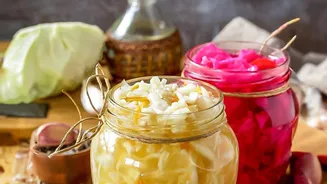
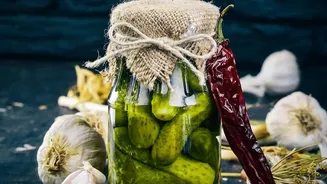
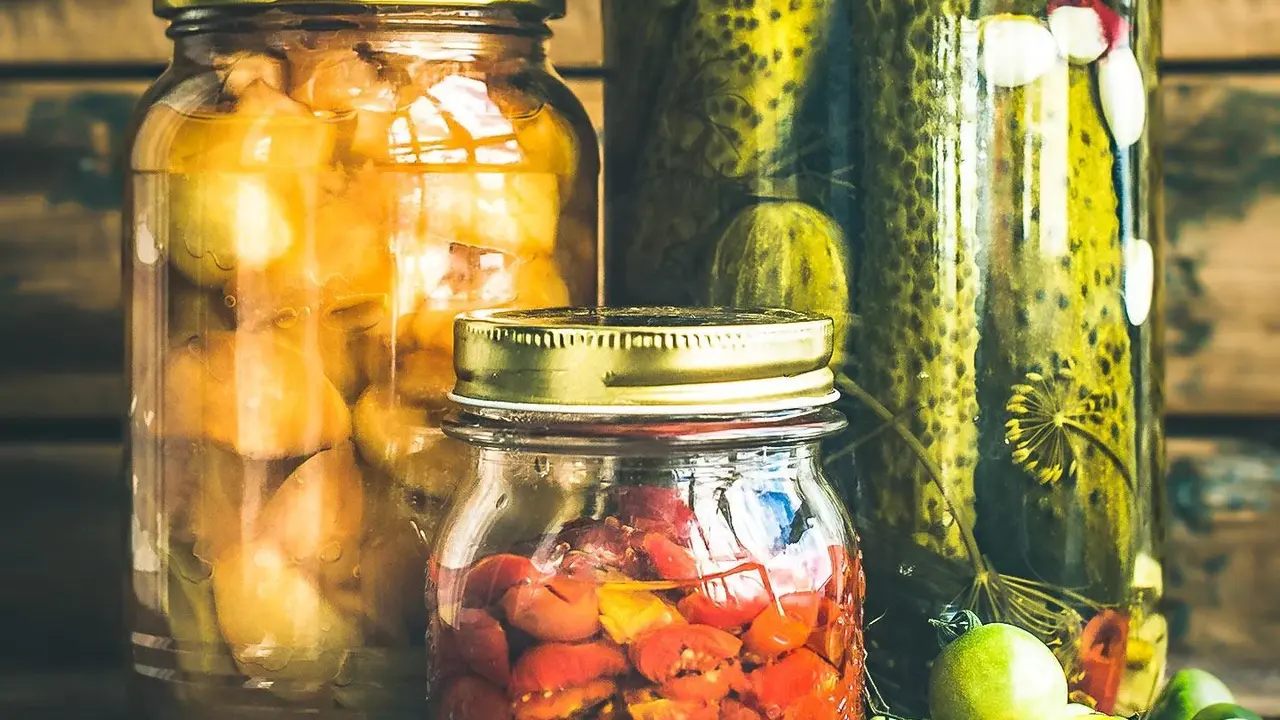
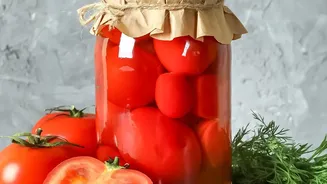
For centuries, a small helping of achaar has been a fixture on the Indian thali. More than just a flavour enhancer, traditional pickles are a product of ancient food science. The process, known as lacto-fermentation, involves preserving vegetables or fruits in a salt brine, often with oil and spices, and allowing them to cure over time, sometimes in the sun. This method creates an environment where beneficial bacteria, primarily Lactobacillus, can thrive. These are the same 'good bacteria' found in foods like curd, and they are the source of the pickle's probiotic power. This process is fundamentally different from modern pickling, which often relies on vinegar to create a sour taste quickly, killing off any potential live cultures.
Probiotics: Your Gut's Best Friends
Probiotics are live microorganisms that provide health benefits when consumed by improving or restoring the gut flora. A healthy gut microbiome, which is the community of trillions of bacteria in your digestive tract, is crucial for everything from nutrient absorption and digestion to immune function. During the monsoon, when your system is vulnerable, a dose of probiotics can help reinforce your gut's natural defences. The live cultures in traditionally fermented pickles help maintain a healthy balance of good bacteria, which can aid digestion, reduce bloating, and support the immune system, nearly 70% of which resides in the gut.
How to Choose the Right Pickle
Not all pickles offer these probiotic benefits. Most commercially produced pickles found on supermarket shelves are made using vinegar and are pasteurised (heat-treated) to ensure a long shelf life. This process kills the very live bacteria that offer gut-health advantages. To get the benefits, you need to choose traditionally made, unpasteurised, and naturally fermented pickles. Look for homemade varieties or small-batch brands that explicitly mention "fermented," "live cultures," or "probiotic" and do not list vinegar as a primary ingredient. These pickles are living foods and are often found in refrigerated sections at stores, though many traditional Indian oil-and-salt-based pickles are shelf-stable due to their unique preservation method.
Best Traditional Pickles for Monsoon
Certain Indian pickles are particularly well-suited for monsoon wellness. Amla (Indian Gooseberry) pickle is packed with Vitamin C, a powerful antioxidant that boosts immunity. Lemon pickle, another great source of Vitamin C, is known to stimulate digestive juices. Pickles made with spices like garlic, ginger, turmeric, and asafoetida (hing) also offer digestive and anti-inflammatory benefits. Even a simple green chilli or mango pickle, when prepared through traditional fermentation, can provide the probiotic boost your gut needs. Remember, due to the high salt content, moderation is key—a small spoonful with your meal is all you need to reap the benefits.