



As the temperature drops, nothing beats the comfort of a cosy woollen sweater. But the fear of shrinking or ruining these winter staples is real. With the right care, your woollens can last a lifetime. Here’s how to do it properly.
To Wash or Not to Wash?
The first rule of wool
care is to wash less. Wool has natural anti-bacterial and odour-resistant properties, which means it doesn't need to be laundered after every wear. Often, simply airing out a garment after wearing it is enough to freshen it up. For small spills or dirt, spot-treating is a great way to clean the area without subjecting the entire garment to a full wash. You can use a soft garment brush to remove surface dust and dirt, which can prevent them from becoming stains later on.
The Gentle Art of Washing
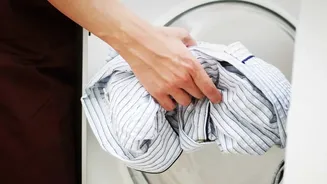
When washing is necessary, always check the care label first. Handwashing is the safest method for most wool items. Use cool or lukewarm water (around 30°C) and a mild, wool-specific detergent. Avoid regular detergents, bleach, and fabric softeners, as they can strip the natural oils from the fibres and cause damage. Submerge the garment, gently squeeze the soapy water through it, and let it soak for about 10-30 minutes. Avoid any harsh rubbing or wringing. If your machine has a dedicated wool or delicates cycle, that can be an option for hardier items. Use a cold water setting, a low spin speed, and place the garment in a mesh laundry bag for extra protection.
Drying Without Disasters
Heat is the biggest enemy of wool, causing irreversible shrinkage and felting. For this reason, you should almost never put woollens in a tumble dryer unless the care label explicitly says it is safe. The best method is to dry them flat. After washing, gently squeeze out excess water—do not wring the garment. A great trick is to lay the wet garment on a clean, dry towel, roll them up together, and press gently to absorb more moisture. Then, unroll it and lay the item flat on a fresh towel or a mesh drying rack, away from direct sunlight or heat sources like radiators. Hanging wet woollens can cause them to stretch and lose their shape due to the weight of the water.
Smart Off-Season Storage
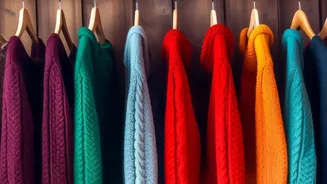
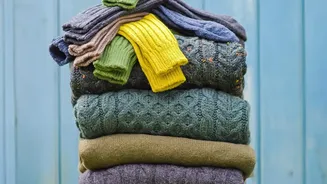
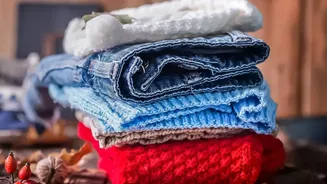
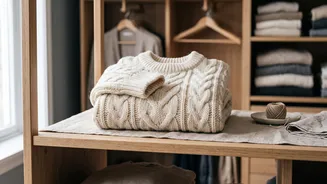
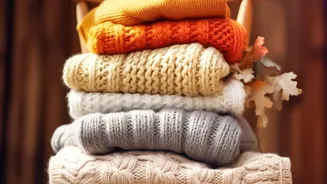
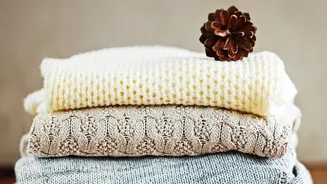
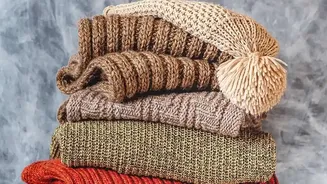
Before you pack away your winterwear for the season, make sure every item is clean and completely dry. Even small food particles or body oils can attract pests like moths. The best way to store knitted woollens is to fold them. Hanging sweaters for long periods can stretch out the shoulders and neckline, distorting their shape. Woven wool items like coats or trousers, however, can often be stored on hangers. For folded items, avoid packing them too tightly to prevent wrinkles.
Keeping Moths at Bay
Moths are a major threat to stored woollens because their larvae feed on the natural protein fibres. To protect your clothes, store them in breathable containers like cotton bags or acid free boxes. Avoid sealing them in plastic for long periods, as this can trap moisture and lead to mildew. Natural moth repellents are a great alternative to harsh chemical mothballs. Place sachets of dried lavender or blocks of cedar wood in your drawers and closets. These not only deter pests but also leave your clothes with a pleasant, fresh scent.