







The Rise of the Micro-Holiday Economy
For generations, the Indian holiday calendar was built around one major event: the big annual trip. It was a time for elaborate planning and saving, culminating in a 10-day or two-week escape. That tradition is now being replaced by a more frequent travel
rhythm. Recent travel reports show a decisive shift, with travellers increasingly opting for several shorter trips throughout the year. This trend, dubbed the 'Micro-Holiday Economy', suggests travel has evolved from a rare occasion into a regular habit. Instead of one long break, Indians are now taking multiple 2-4 day trips, often planned spontaneously around long weekends. Data shows that the average domestic trip has shrunk, with a significant number of bookings made just days before departure, highlighting a move towards impulsive, accessible leisure.
Why More, Shorter Trips Make Sense
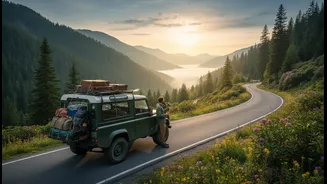
Several factors are driving this behavioural shift. The demands of modern work life leave many professionals feeling burnt out and in need of frequent resets, which short breaks provide more effectively than a single, distant vacation. The rise of remote and hybrid work models has also played a crucial role, offering the flexibility to blend travel with work, a phenomenon known as a 'workcation'. Economically, spreading a travel budget across several smaller trips can feel more manageable and offers greater variety than investing everything in one large holiday. This is compounded by improved connectivity—better highways, more budget airline routes, and high-speed rail—which has made nearby destinations more accessible than ever for quick road trips and weekend escapes.
Quality Over Quantity, Even on Short Stays
Interestingly, shorter does not mean cheaper or lower in quality. In fact, travellers on these micro-breaks are often upgrading their experiences. One report found that over 60% of hotel bookings for short trips were for four and five-star properties. This points to a desire for concentrated premium experiences, where travellers maximise comfort and luxury within a smaller time frame. Rather than rushing through a checklist of sights, the focus is on depth and quality—a wellness retreat, a culinary tour, or simply unwinding in a high-end resort or boutique farmhouse. This shift towards experience-led travel is particularly strong among younger demographics like Gen Z, who often prioritise personal growth and unique moments over just visiting popular attractions.
New Destinations and New Experiences
The boom in short breaks is also redrawing India's travel map. While classic destinations like Goa remain popular, travellers are increasingly exploring a wider array of places. Coastal travel is no longer limited to a few big names, with destinations like Visakhapatnam, Udupi, Karwar, and Kozhikode seeing more visitors. Hill stations in both the North and South continue to draw crowds for quick getaways. A standout trend is the dramatic rise in spiritual tourism, with places like Ayodhya, Varanasi, and Tirupati experiencing a huge surge in bookings, indicating that travel motivations are diversifying beyond pure leisure. The travel industry is responding by offering compact, experience-rich packages and last-minute deals tailored for these long-weekend warriors.