




Go Beyond a Basic Forecast
A simple cloud icon with a raindrop on your phone’s default weather app is not enough for monsoon travel planning. The Indian monsoon is a complex system where conditions can change rapidly. A generic forecast won't tell you about the intensity of the rain,
the risk of localised flooding, or potential landslides along your route. To travel safely, you need detailed, location-specific information that helps you understand not just if it will rain, but how much and what impact it could have. This means moving beyond basic apps and tapping into more robust forecasting tools designed for the complexities of Indian weather patterns. Planning a trip requires understanding the potential for disruptions before you even leave home.
Upgrade Your Weather Toolkit
For reliable weather information in India, it's best to use apps that specialize in the region. The official 'Mausam' app from the India Meteorological Department (IMD) is an essential download. It provides weather observations, forecasts, radar images, and crucial warnings directly from the source. Another highly-rated 'Made in India' app is Skymet Weather, which uses its own extensive network of automatic weather stations to provide accurate data. For a global perspective with strong local performance, AccuWeather is a popular choice, known for its MinuteCast feature that predicts precipitation on a minute-by-minute basis for the next two hours. Apps like Windy are also excellent for visualizing weather patterns, allowing you to see rain clouds moving in real-time. Using a combination of these tools gives you a much clearer picture of what to expect.
Decode Official Weather Alerts
The IMD uses a colour-coded system to issue warnings, and understanding them is crucial for your safety. Green (No Warning): This means weather conditions are normal and no advisory is needed. Yellow (Be Aware): A yellow alert indicates that weather could worsen. It might disrupt daily activities, so it's a prompt to stay updated. Orange (Be Prepared): This is a more serious warning for heavy to very heavy rainfall. Expect potential disruptions like waterlogging, traffic jams, and even power outages. You should be prepared for bad weather and avoid non-essential travel. Red (Take Action): This is the highest alert level, issued for extremely heavy rainfall that poses a significant threat to life and property. Widespread travel and power disruptions are likely, and you should avoid all travel unless instructed otherwise by authorities.
Choose Your Destination Wisely
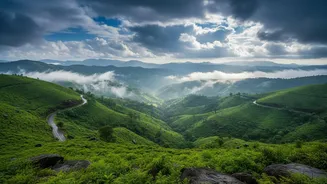
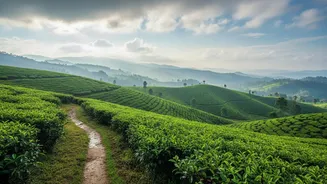
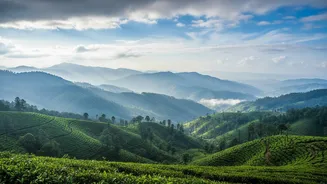
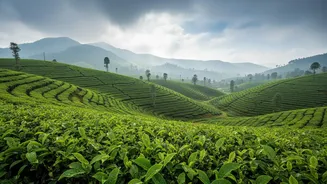
Not all destinations are created equal during the monsoon. While the Western Ghats come alive with waterfalls in places like Lonavala, Mahabaleshwar, Coorg, and Munnar, these areas also carry a higher risk of landslides and road closures during intense downpours. It's vital to check local conditions before travelling to hilly regions. Some areas, like parts of Assam and Arunachal Pradesh, may face severe flooding and should be avoided. Destinations in Rajasthan, such as Udaipur and Mount Abu, receive less rainfall and can be a lush, beautiful, and safer alternative. Similarly, the rain-shadow regions like Ladakh and Spiti remain mostly dry and are ideal for those wanting to escape the rain entirely. Always have a flexible itinerary and be prepared to change your plans based on weather advisories.
Essential Monsoon Travel Practices
Smarter planning extends to your journey and what you pack. If driving, slow down on wet roads, maintain a safe distance from other vehicles, and never attempt to cross flooded streets. For any trip, pack light, quick-drying clothes instead of heavy materials like jeans. A waterproof jacket, a good umbrella, and footwear with excellent grip are non-negotiable. Also, carry a power bank, a basic first-aid kit, and mosquito repellent. Protect your electronics and important documents in waterproof bags or pouches. Finally, always share your itinerary with a friend or family member and keep them updated on your whereabouts.