



The Simple Power of a Single Folder
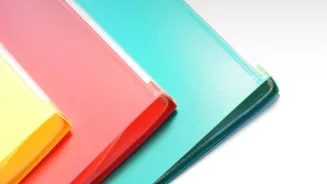
The magic of this system is its simplicity. It’s not about becoming a hyper-organized archivist overnight; it’s about creating one designated spot for time-sensitive papers. Why a clear folder? The visual cue is powerful. Seeing the receipts inside serves
as a constant, low-effort reminder to review what’s there. The moment you make a significant purchase—anything with a warranty or an item you’re not 100% sure about keeping—the receipt and any accompanying warranty card go directly into this folder. No more stuffing receipts into pockets, wallets, or random drawers where they fade or get lost. This single action creates a habit that catches everything important before it has a chance to disappear. This folder becomes your central hub for pending consumer decisions, preventing that sinking feeling of a missed opportunity to get your money back or secure a free repair.
What to Keep and What to Toss
Not every slip of paper deserves a place in your folder. The key is to be selective. Your folder should hold documents that represent a future action or protection. Definitely keep original receipts or order confirmation emails for electronics, appliances, furniture, expensive clothing, and any other item with a value that makes a return or warranty claim worthwhile. These are the strongest forms of proof of purchase that both retailers and manufacturers require. You should also keep signed contracts, warranty registration cards, and instruction manuals, as these often contain crucial details for claims. What can you toss? Daily coffee receipts, grocery bills (unless an item was unusually expensive or for a specific purpose), and routine purchases can generally be discarded once you’ve verified the transaction on your bank statement.
Upgrading Your System: Sorting and Labeling
Once you’ve mastered the single-folder habit, you can introduce more structure. An accordion file or a binder with poly envelopes can take your organization to the next level. Create labeled sections for different categories like "Electronics," "Home & Garden," "Apparel," and a dedicated "To Return" section for items on the bubble. When you file a receipt, take an extra ten seconds to circle the purchase date and write the return deadline or warranty expiration date in bold at the top. This small annotation transforms a passive piece of paper into an active reminder, saving you from having to read the fine print every time. For major purchases like appliances, it's wise to staple the receipt directly to the user manual and file them together. This ensures you have the model number, serial number, and purchase date all in one place when you need them.
Adding a Digital Layer for Security
While a physical folder is great for immediate capture, a digital backup offers long-term security and accessibility. Paper receipts, especially those printed on thermal paper, are notorious for fading over time. Taking a quick photo of a receipt with your phone creates a permanent copy that won’t degrade. You can store these images in a dedicated album on your phone or use a cloud storage service to create a digital folder system that mirrors your physical one. For an even more proactive approach, use your phone’s calendar. When you file a receipt, create an event for one week before the return window closes and another for a month before the warranty expires. These digital nudges can save you hundreds, if not thousands, of rupees by reminding you to act before it’s too late. There are also a number of apps designed specifically for tracking expiration dates and managing warranties.
Making the System a Habit
An organizational system is only useful if you use it consistently. The key is to integrate it into your existing routines. Designate a permanent, accessible home for your folder, such as a kitchen drawer or a spot in your home office. Make it a weekly ritual—perhaps every Sunday evening—to go through the folder. In this five-minute review, you can toss receipts for items you’ve decided to keep past the return window, check for any upcoming deadlines, and file away warranty papers for long-term storage. By making this a regular habit, you prevent the folder from becoming another source of clutter and ensure it remains a powerful tool for managing your purchases effectively. The goal is to make handling receipts an automatic, thoughtless process that protects your purchases and your wallet.