








Why Even a Bottle Cap of Water Is a Threat
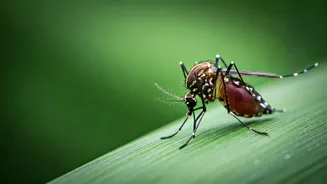
It may seem insignificant, but a tiny amount of stagnant water is all it takes for mosquitoes to multiply. The Aedes aegypti mosquito, a primary carrier for dengue, chikungunya, and Zika virus in India, prefers to lay its eggs in clean, standing water.
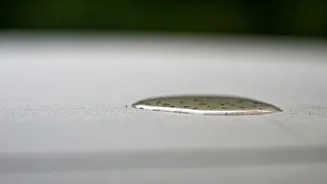
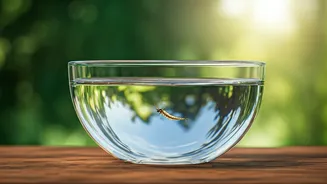
Female Aedes mosquitoes lay their eggs just above the waterline in artificial containers. These eggs are incredibly resilient and can survive in a dry state for over a year, waiting for the next rainfall to hatch. Once submerged, the entire life cycle from egg to adult can take as little as seven to ten days, creating a new generation of pests right at your doorstep. This makes seemingly harmless items like flowerpot saucers, discarded plastic cups, and clogged drains dangerous hotspots.
Your Balcony Inspection Checklist
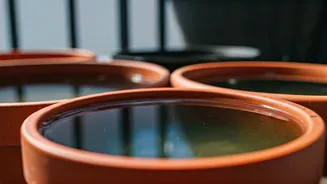
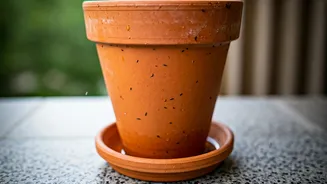
Making your balcony mosquito-proof requires regular vigilance, especially during the rainy season. Turn this checklist into a weekly habit. First, inspect flowerpot saucers and trays. Don't just empty them; wipe them dry to remove any sticky eggs. Check for any tarps, plastic sheets, or furniture covers that may have collected rainwater. Ensure drains on the balcony floor are clear of leaves and debris to prevent water from pooling. Look at ornamental pots, vases, or any decorative items; even if they are not meant to hold water, they can collect enough to become a problem. Pet water bowls should be emptied and refilled daily. Finally, inspect the drip trays of your air conditioning units, which are often-forgotten sources of stagnant water.
Beyond the Balcony: Other Household Hotspots
Mosquitoes don't just breed on balconies. A thorough check of your entire home and its immediate surroundings is crucial for effective control. Inside, check for water collecting in refrigerator drip trays and indoor plant pots. On your terrace or roof, look for blocked gutters, discarded tyres, and unused containers or buckets that might be collecting rainwater. Water storage tanks should always be securely covered. Even something as small as a discarded coconut shell can become a breeding site. The goal is to identify and eliminate every possible place where water can stand still for more than a couple of days.
The Link to Dengue and Chikungunya
The effort to clear stagnant water is a direct fight against serious diseases. Dengue and chikungunya cases surge during and after the monsoon season in India, primarily because of the increased breeding grounds for the Aedes mosquito. Dengue can cause high fever, severe headaches, pain behind the eyes, and in serious cases, lead to a potentially fatal hemorrhagic fever. Chikungunya is known for its sudden high fever and debilitating joint pain, which can sometimes persist for months or even years. Since there are no specific cures for these viral diseases, prevention is the most effective strategy. By eliminating breeding sites, you break the mosquito life cycle and significantly reduce your family's risk of infection.
Simple Actions for Community Protection
Your individual actions have a ripple effect on the health of your entire community. The Aedes mosquito has a limited flight range, often flying only a few blocks in its lifetime. This means the mosquitoes biting you and your family are very likely breeding in or near your own home or a neighbour's. By keeping your own space free of stagnant water, you are not only protecting yourself but also contributing to a safer environment for everyone around you. Encourage your neighbours to do the same and participate in community clean-up drives. A collective effort is the most powerful tool we have against the spread of mosquito-borne illnesses.