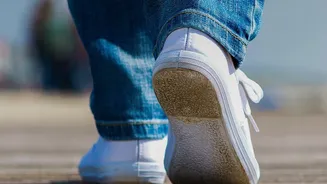

We all know that post-meal desire to sink into the couch. But what if a simple, two-minute stroll could prevent the energy slump that often follows? New research is revealing just how powerful a brief walk after eating can be for managing blood sugar.
The Post-Meal Glucose Spike
When you eat, particularly a meal rich in carbohydrates, your body breaks it down into glucose, a type of sugar that enters your bloodstream to be used for energy. This causes your blood sugar levels to rise. In response, your pancreas releases insulin, a hormone that helps transport glucose from your blood into your cells. However, a large or rapid influx of glucose can lead to a sharp spike, followed by a subsequent crash, which can leave you feeling tired and foggy. Over time, frequent and dramatic blood sugar fluctuations can contribute to more significant health issues, including insulin resistance.
How a Simple Walk Changes Everything
This is where a post-meal walk works its magic. When you engage in light physical activity like walking, your muscles need energy. To get it, they pull glucose directly from your bloodstream. This process happens independently of insulin, providing an alternative pathway for glucose to be used. Essentially, your working muscles act like a sponge, soaking up the excess sugar from your meal before it has a chance to build up in your blood. This blunts the glucose spike, leading to more stable energy levels and requiring less of an insulin response from your pancreas.
What the New Science Says: Timing and Duration
The most exciting part of the expanding research is the discovery of the 'minimum effective dose'. You don't need a strenuous, 45-minute power walk to reap the benefits. Studies have shown that walking for as little as two to five minutes after a meal can significantly reduce post-meal glucose and insulin spikes. One 2025 study found that a 10-minute walk immediately after eating was as effective for blood sugar control as a 30-minute walk taken later. The timing appears crucial; a 2023 review concluded that walking within 30 minutes of eating is more effective than walking before a meal for regulating blood sugar. The sooner you move after your meal, the better, as you are intercepting the glucose as it enters your bloodstream.
More Than Just Walking
While walking is the most studied activity, the principle applies to any form of light movement. The key is simply to contract your muscles. This could mean doing a few sets of bodyweight squats, climbing a flight of stairs a couple of times, or even just standing and tidying up the kitchen after dinner. Recent research into 'exercise snacks'—very short bursts of one to two minutes of vigorous activity spread throughout the day—has shown similar benefits for blood sugar control. The goal isn't to burn a massive number of calories, but rather to activate your muscles when glucose levels are highest.
Making It a Simple, Sustainable Habit
Integrating this practice into your life doesn't require a major overhaul of your routine. The beauty of the post-meal walk is its accessibility. Consider taking a brief walk around the block after dinner, a habit that can be even more enjoyable with family. During the workday, a 10-minute stroll outside after lunch can break up sedentary time and improve afternoon focus. Even if you're stuck indoors, pacing around your home while on a phone call or doing a few minutes of marching in place while the kettle boils can make a difference. The evidence is clear: small, consistent movements after meals add up to significant metabolic benefits.