


Beyond the 'Unhealthy' Myth
For years, a common narrative—often influenced by Western dietary trends—has unfairly painted Indian food as universally heavy, oily, or unhealthy. This perspective frequently overlooks the cuisine's incredible diversity and its foundation in plant-based
ingredients, complex spices, and wholesome grains. The reality is that traditional Indian meals have long been built on balanced principles. A typical plate often includes lentils for protein, vegetables for vitamins, and whole grains for energy. The new wave of culinary thinking isn't about stripping the joy from our food; it's about shifting the focus back to these nourishing foundations and challenging the myth that traditional means unhealthy. It’s a celebration of ingredients and methods that have sustained communities for centuries, now validated by modern science.
The Great Millet Revival
Perhaps the most significant example of this trend is the resurgence of millets. Grains like ragi (finger millet), jowar (sorghum), and bajra (pearl millet) were staples across India for millennia before being sidelined by the push for high-yield rice and wheat. Today, these ancient grains are making a powerful comeback. Nutritionists and home cooks alike are championing them for being naturally gluten-free, high in fibre, and packed with essential minerals like iron and calcium. This revival is not just about nostalgia; it’s driven by a modern understanding of their low glycemic index, which helps in managing blood sugar levels and providing sustained energy. From ragi dosas and jowar rotis to millet-based breakfast bowls and baked snacks, these grains are being seamlessly integrated into contemporary diets, proving that what's old can be powerfully new.
Good Fats and Gut Feelings
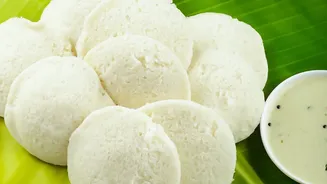
The conversation around fats has also come full circle. Ghee, once wrongly vilified, is being embraced again for its health benefits, especially when made using traditional methods like the Bilona process. Modern science now recognizes ghee as a stable fat ideal for cooking at high temperatures and a carrier for fat-soluble vitamins. Similarly, there's a renewed appreciation for cold-pressed oils like mustard and sesame, which retain more of their natural nutrients and flavour compared to their refined counterparts. This movement also extends to the gut. The importance of fermented foods, a cornerstone of Indian cuisine, is being highlighted. Dishes like dahi, idli, and traditional pickles are now celebrated not just for their taste but for their probiotic qualities that support a healthy gut microbiome.
Smarter Techniques, Same Soul
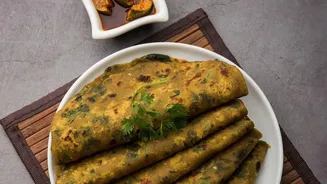
This nutritional renaissance isn't just about ingredients; it's about how they're cooked. Chefs and health-conscious cooks are adopting methods that enhance health without sacrificing flavour. For instance, the tandoori style of cooking, which uses intense heat and minimal oil, is being celebrated for its ability to seal in nutrients. There is also a growing trend of using air-fryers or baking for snacks like samosas and pakoras, offering a lighter alternative to deep-frying. Simple swaps are also making a big difference: using whole-wheat flour for chapatis, preferring brown rice over white, and bulking up meat dishes with lentils and vegetables to make them lighter and more fibrous. These aren't drastic changes but thoughtful adjustments that preserve the authentic taste of the dish while enhancing its nutritional profile.