

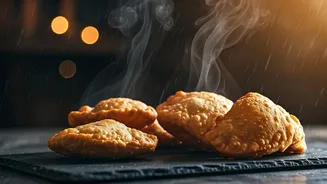



The Sizzle and the Downpour
It begins with a sound. Not the rumble of thunder, but the sizzle of batter hitting hot oil. As dark clouds gather and the first drops of rain splash against windowpanes, kitchens and street-side stalls across India spring to life. The undisputed king
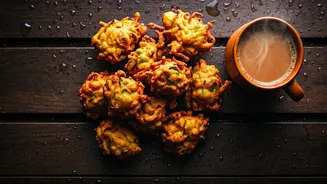
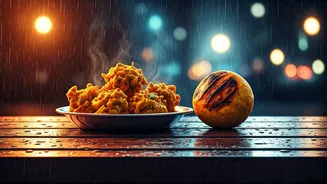
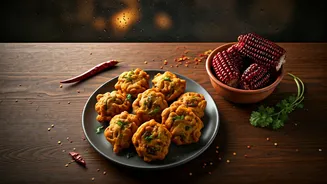
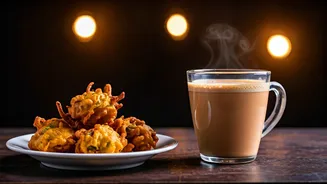
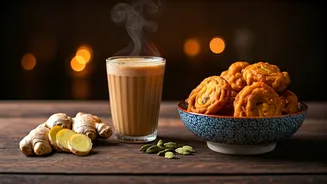
of this culinary welcome party is the pakora. Whether it’s made of onion, potato, spinach, or paneer, this humble fritter is transformed into a vessel of pure joy during the monsoon. It’s a multi-sensory experience: the crunch of the crispy batter, the steamy, soft interior, the sharp tang of mint chutney, all enjoyed against the rhythmic soundtrack of a steady downpour. The pakora isn’t just a snack; it’s a feeling, a warm, savoury hug that wards off the damp chill of a rainy day.
A Roadside Ritual: The Magic of Bhutta
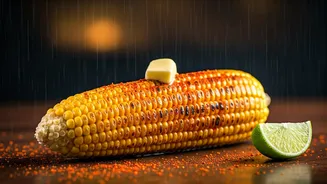
Walk down any street during a break in the rain, and you’ll find the second pillar of monsoon gastronomy: the bhutta-wallah. The sight is iconic—a vendor fanning hot coals, the air filled with the smoky aroma of corn being roasted over an open flame. This isn't the sweet, boiled corn of other seasons. This is monsoon bhutta, charred to perfection and rubbed vigorously with a mixture of salt, red chilli powder, and a generous squeeze of lime. Each bite is a carnival of flavours—smoky, spicy, salty, and sour all at once. Holding the warm cob, feeling the heat seep into your hands, and biting into the juicy kernels is a ritual that connects us to the streets, to the season, and to a simple, unadulterated pleasure.
More Than Just a Cup of Tea
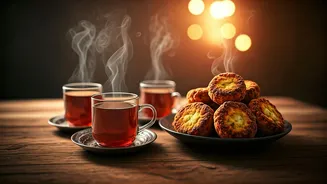
What would a plate of pakoras or a roasted bhutta be without its faithful companion? The monsoon elevates chai from a daily beverage to an essential elixir. A simple cup of tea becomes a 'kadak adrak-elaichi chai', brewed stronger, spicier, and sweeter to combat the gloom outside. It’s the social glue of the season. Families gather in balconies, colleagues huddle in office canteens, and friends make impromptu plans, all centered around sharing a cup of tea while watching the world get a fresh wash. This steaming cup is the liquid equivalent of a warm blanket, a perfect counterpoint to the fried snacks and the cool weather, making the moment complete.
Sweet Notes and Regional Rhythms
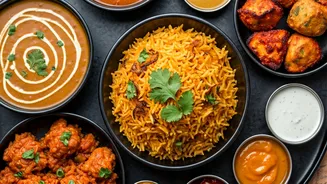
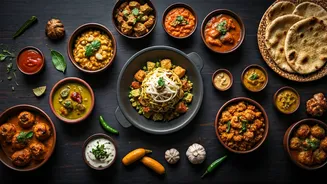
While pakoras and chai form the universal backbone of this tradition, the monsoon menu has its regional variations and sweet crescendos. In North India, the demand for hot, syrupy jalebis soars, their sweetness a delightful contrast to the savoury snacks. In Rajasthan, the festive Ghevar, a porous, disc-shaped sweet, makes its grand appearance. Head south, and you might find yourself enjoying a hot plate of maddur vada in Karnataka or pazham pori (banana fritters) in Kerala. From the moong dal chillas of Delhi to the samosas that seem to taste infinitely better when it rains, each region adds its own flavour to the national monsoon feast, proving that the love for comforting food during this season is a truly pan-Indian affair.
The Science of Comfort
There's a reason our bodies crave these specific foods. The drop in temperature during the monsoon can slow our metabolism. Hot, fried, and carbohydrate-rich foods provide a quick burst of energy and heat. Psychologically, these foods are pure comfort. They are linked to our fondest memories—of childhood, of family, of taking shelter from the rain with loved ones. This craving is less about nutrition and more about nostalgia and the deep-seated emotional comfort that these familiar tastes provide. It's our body and mind's way of seeking coziness and cheer in the face of grey, overcast skies, turning the monsoon from a mere weather event into a celebrated cultural experience.