

Why Portion Control Is the New Focus
For years, festive health advice revolved around avoiding certain foods, leading to a cycle of guilt and overcompensation. Experts now suggest that the issue isn't a single gulab jamun or samosa, but the cumulative effect of frequent, large meals from
Navratri through to the New Year. The goal is no longer to deprive yourself but to practise mindful eating. This approach allows you to savour your favourite dishes without the post-festival feelings of sluggishness and weight gain. By managing 'how much' you eat, you can enjoy the season's culinary delights without your health taking a backseat.
Mastering the Visual Plate Method
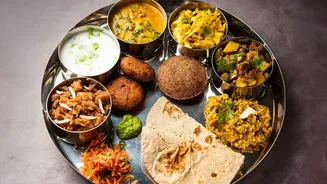
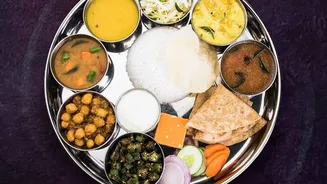
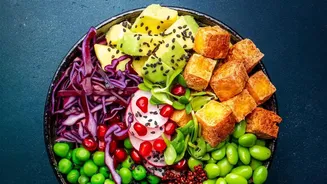
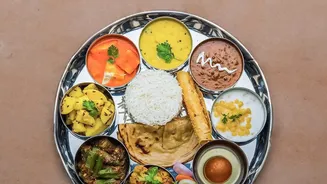
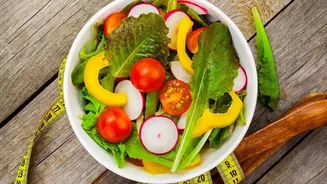
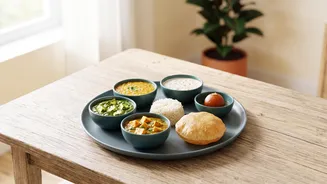
You don't need a weighing scale to manage festive meals. A simple and effective strategy recommended by dietitians is the 'plate method'. Fill half of your plate with vegetables or a high-fibre salad first. This provides bulk and nutrients with fewer calories, helping you feel full. Dedicate one-quarter of the plate to a protein source like dal, chana, or paneer, which enhances satiety and prevents overeating. The final quarter can be for carbohydrates such as rice, roti, or pulao. This visual guide helps create a balanced meal automatically, even at a buffet.
Handy Guides for Common Indian Foods
Beyond the plate method, you can use your hands for quick portion estimates. For instance, a standard serving of cooked rice or dal is about the size of your cupped hand or a closed fist. A portion of protein like paneer or chicken should be about the size of your palm. One medium-sized roti is considered a standard serving. When it comes to sweets and fried snacks, the advice is to be even more mindful. Limiting yourself to one or two pieces and truly savouring them is a common recommendation. Sharing desserts is another great way to enjoy the taste without overindulging.
Smart Strategies for Sweets and Snacks
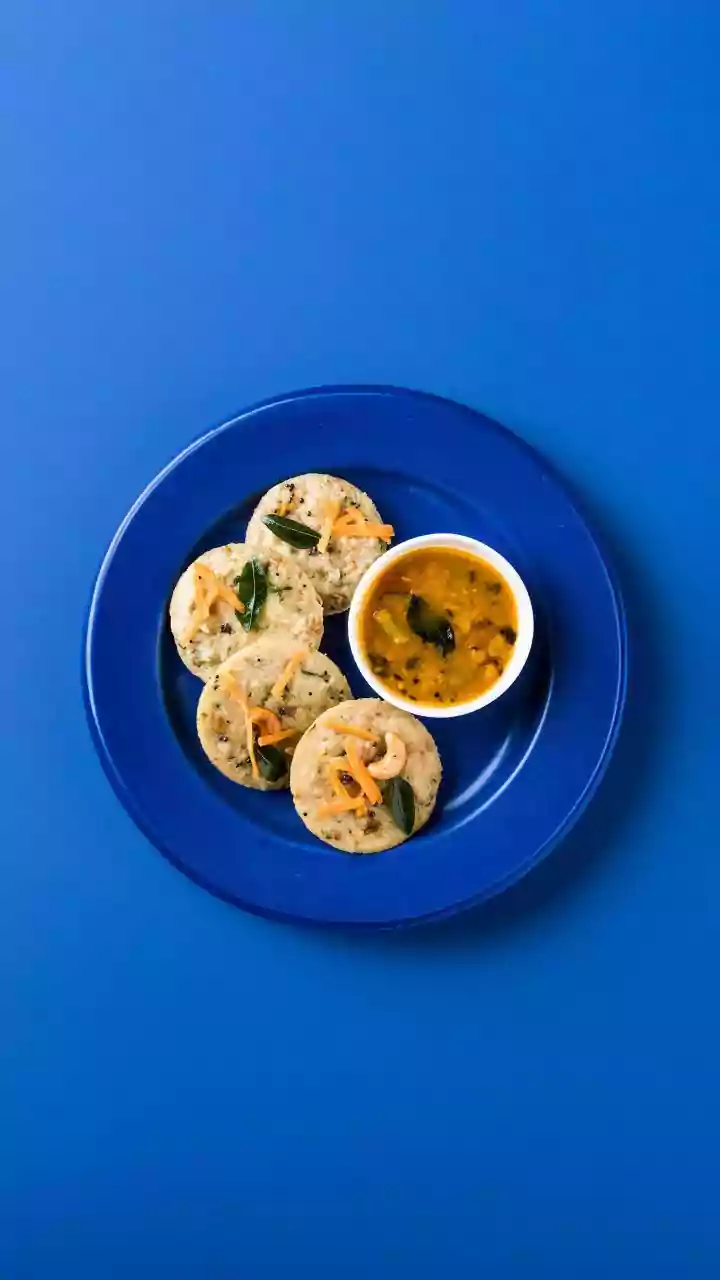
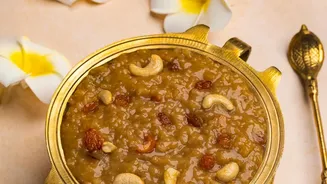
Festive sweets and fried snacks are often the biggest challenges. Instead of banning them, experts advise making smarter choices. Where possible, opt for baked, steamed, or roasted snacks over deep-fried ones. For example, choose a steamed modak over a fried one. When it comes to mithai, those made with jaggery or dates are a better choice than those with refined sugar. Preparing sweets at home allows you to control the ingredients and sugar content. If you're attending a party, try not to arrive completely famished, as this often leads to overeating the most accessible, often fried, appetisers.
Don't Forget to Drink Smart
Calories consumed through drinks can add up quickly. Sugary sherbets, sweetened mocktails, and fizzy drinks contribute to excess calorie intake without providing much nutrition. Nutritionists advise staying hydrated primarily with water, which can also help you feel full and manage hunger cues that are often mistaken for thirst. Healthier alternatives include coconut water, buttermilk (chaas), or fresh lime water without sugar. If consuming alcohol, alternate each drink with a glass of water and choose clearer spirits with low-sugar mixers.
Beyond the Plate: Holistic Habits
Healthy festive eating isn't just about food. Experts emphasise the importance of not skipping meals to "save" calories for a big event, as this strategy typically backfires and leads to overeating. Maintaining some form of physical activity, even a short walk after a heavy meal, can significantly aid digestion and help balance your energy intake. Finally, ensuring you get enough sleep is crucial, as fatigue can often lead to cravings for high-sugar and high-fat foods. By adopting these small but consistent habits, you can navigate the festive season feeling energised and well.