


Your Autumn Celestial Calendar
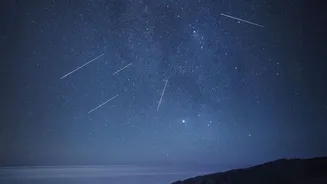
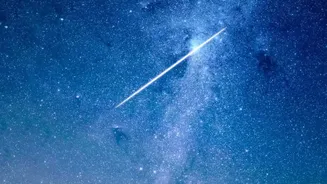
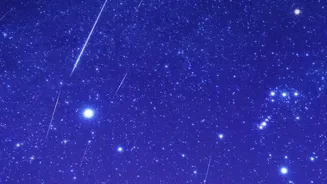
This autumn brings two major celestial events. First, the Perseid meteor shower, which peaked under ideal moon-free conditions around August 12-13, 2026. While the main event has passed, you may still catch some lingering meteors in early September. The
main attraction for the autumn season is the Orionid meteor shower, active from early October to early November. This shower is created by debris from the famous Halley's Comet. The peak for the Orionids in 2026 is expected on the nights of October 21-22. Plan to watch in the hours after midnight until dawn for the best show. Rates are expected to be around 15-25 meteors per hour in a dark sky.
Why Non-Metro Locations Are Key
The biggest obstacle for any stargazer is light pollution. Major metropolitan areas like Delhi, Mumbai, and Bengaluru suffer from what astronomers call 'skyglow', a dome of artificial light that washes out all but the brightest stars. Most urban residents have never seen the Milky Way. The solution is to find a location with a dark sky, classified on what is known as the Bortle scale, where Class 1 is a pristine, dark sky and Class 9 is an inner-city sky. While remote locations like Hanle in Ladakh (a Class 1 Dark Sky Reserve) and Spiti Valley offer the best views in India, you don't have to travel that far. The outskirts of smaller, non-metro cities often provide a sweet spot—dark enough for a great view but still reasonably accessible.
Finding Your Stargazing Spot
The key is to drive 40 to 80 kilometres away from any major urban centre. Cities like Pune, Jaipur, and Lucknow have much smaller light footprints than the metros, meaning dark skies are closer than you think. Near Pune, spots around Pawna Lake or Lonavala offer good vantage points. For those near Jaipur, the areas around Sariska or even the Thar Desert offer incredible darkness. Jaisalmer desert camps often provide stargazing opportunities. From Chandigarh, the nearby Morni Hills in Haryana or Narkanda in Himachal Pradesh are excellent choices. For southern India, the plantations of Coorg in Karnataka provide misty nights with Bortle Class 3 to 4 skies, which are great for viewing once the monsoon season ends. Use online light pollution maps to find a 'dark' spot near your city before you head out.
Essential Tips for a Great Night
You don’t need expensive equipment to enjoy a meteor shower. In fact, your naked eyes are the best tool because they provide a wide field of view. Binoculars can be a fun addition for looking at the Moon or brighter star clusters, but they aren't necessary for meteors. The most important step is to allow your eyes to 'dark adapt'—it takes about 20 to 30 minutes for your vision to become fully sensitive to the dark. Avoid looking at your phone screen, as the white light will ruin your night vision instantly. If you need a light, use a torch with a red filter. Also, be patient. Meteors often come in spurts, with lulls in between. Finally, check the moon phase before you go; a bright moon can wash out fainter meteors, making them much harder to see. Luckily, the 2026 Perseids coincided with a new moon, and the Orionids peak just after a new moon, promising excellent dark conditions.
Pack for Comfort and Success
Once you've picked your spot and time, a little preparation goes a long way. Dress in warm layers. Even on a pleasant evening, sitting still for hours under an open sky can get chilly. A comfortable camping chair or a blanket to lie on is a must; craning your neck for long periods is no fun. Pack some light snacks and a flask of a warm beverage to stay comfortable throughout your viewing session. For a modern assist, download a stargazing app like Stellarium, SkyView, or Star Walk before you leave home. These apps use your phone's GPS to show you exactly what constellations and planets are in the sky above you, helping you locate Orion, the radiant point for the Orionid shower.