







The Plant-Based Milk Boom
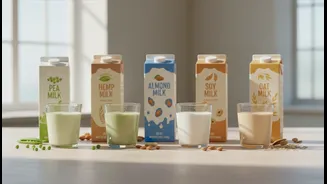
The shift towards plant-based milks is one of the most significant dietary trends of the last decade. Driven by a mix of factors—including lactose intolerance, ethical veganism, environmental concerns, and simple curiosity—consumers are increasingly swapping
traditional dairy for alternatives derived from nuts, seeds, and legumes. While almond, soy, and oat milks have become household names, they each come with their own set of nutritional and environmental trade-offs. Almond milk, for instance, requires a significant amount of water to produce, while often providing very little protein. This has created an opening for new players that promise a better balance of nutrition and sustainability.
Meet the Contenders: Pea and Hemp Milk
Enter pea and hemp milk. Though they may sound unusual, these beverages are crafted to be creamy, versatile, and nutritionally robust. Pea milk is typically made from yellow split peas, not the green ones you might push around your plate. The peas are milled into a flour, the protein is separated, and then it's blended with water and other ingredients. Hemp milk is made by blending shelled hemp seeds with water. Both are emerging from the niche market into the mainstream, appealing to consumers looking for allergy-friendly options (both are naturally dairy-, soy-, and nut-free) that don't compromise on key nutrients.
Pea Milk: The Protein Powerhouse
The standout feature of pea milk is its protein content. A typical serving contains around eight grams of protein per cup, which is comparable to dairy milk and soy milk. This makes it a formidable option for athletes, growing children, and anyone looking to maintain muscle mass. The protein is derived from yellow peas, which are legumes, and it contains all nine essential amino acids, though it is lower in methionine. Beyond protein, many commercial pea milks are fortified with calcium, vitamin D, and vitamin B12 to mimic the nutritional profile of dairy milk. From an environmental standpoint, peas are a sustainable crop, requiring less water than almonds and naturally fixing nitrogen in the soil, which reduces the need for fertilizers.
Hemp Milk: The Omega Champion
Hemp milk's claim to fame lies in its healthy fat profile. It is a rare plant-based source of omega-3 and omega-6 fatty acids, which are essential for brain health, heart function, and reducing inflammation. While its protein content is lower than pea milk, typically around three grams per cup, it is a complete protein, containing all essential amino acids. Hemp milk has a distinctly nutty, earthy flavour and creamy consistency. Like pea milk, it's a strong environmental choice; the hemp plant is resilient, requires little water, and can be grown without many pesticides. And no, drinking hemp milk will not get you high—it's made from seeds of a cannabis plant variety that contains negligible amounts of psychoactive compounds.
How They Stack Up Nutritionally
When choosing a plant milk, it’s about matching the product to your needs. If high-quality protein is your priority, pea milk is one of the best dairy-free options available, rivaling soy. For those looking to boost their intake of healthy fats, particularly omega-3s, hemp milk is a clear winner. Compared to other plant milks, both tend to be nutritionally superior. Unsweetened almond milk is very low in calories but offers almost no protein. Oat milk provides a creamy texture ideal for coffee but is higher in carbohydrates and natural sugars. When buying any plant milk, it's crucial to read the label. Opt for unsweetened varieties to avoid added sugars, and check for fortification with calcium and vitamin D, as these are not naturally present but are vital for bone health.
Making the Right Choice for You
So, should you switch to pea or hemp milk? If you're seeking a creamy, high-protein, allergen-free alternative, pea milk is an excellent all-rounder for smoothies, cereals, and cooking. If your focus is on improving your fatty acid intake for brain and heart health, hemp milk is a fantastic choice, especially in smoothies or poured over granola where its nutty flavour can shine. Both offer significant nutritional benefits that address the common shortcomings of other popular plant milks. As the plant milk wave continues, these two options provide consumers with powerful, targeted nutrition to meet their specific health and wellness goals.