





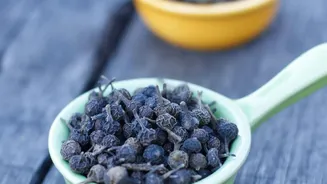
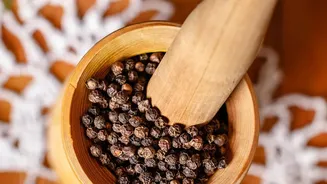
Black pepper, the 'king of spices', is a cornerstone of Indian cooking. But its high value makes it a target for adulteration. Simple, visual checks can help you distinguish pure peppercorns from fakes hiding in plain sight.
Know the Common Imposters
To increase profits, sellers
sometimes bulk up black pepper with cheaper substitutes. The most common culprit is dried papaya seeds, which look strikingly similar to peppercorns at a glance. Other adulterants can include sawdust (in ground pepper), lightweight or hollow pepper berries that lack flavour, and even a coating of mineral oil to give old stock a deceptive shine. Consuming these can lead to health issues ranging from stomach ailments to more serious disorders, making it crucial to know what you're buying.
The First Step: A Visual Inspection
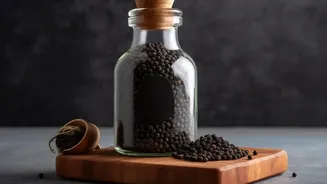
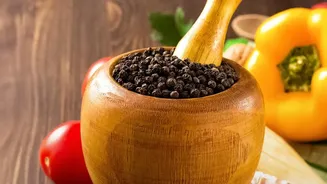
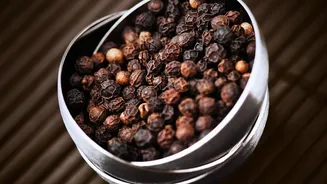
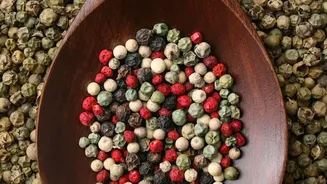
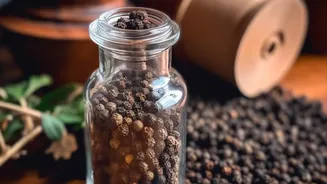
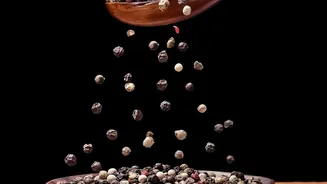
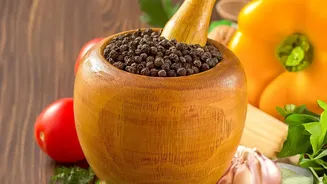
Your eyes are your first line of defence. Pour some peppercorns onto a white plate to examine them closely. Genuine black peppercorns are typically round with a deeply wrinkled, rough surface and a dark brown to black colour. Papaya seeds, in contrast, are often slightly oval or elongated, have a smoother surface with finer ridges, and may have a greenish-brown or dull brown hue. If you notice peppercorns that look unnaturally shiny or glossy, they may be coated with mineral oil, a petroleum derivative used to make them look fresh.
The Simple Water Float Test
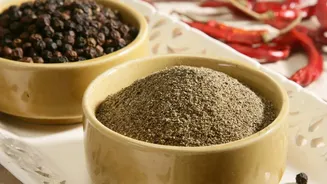
One of the most effective at-home checks is the water test, recommended by the Food Safety and Standards Authority of India (FSSAI). Simply drop a spoonful of peppercorns into a glass of water. Good-quality, dense peppercorns will sink to the bottom. Adulterants like papaya seeds, as well as hollow, immature peppercorns, are lighter and will tend to float on the surface. While a few floating berries might not be a major concern, a large number of floaters is a clear warning sign. This test also helps identify sawdust in ground pepper, which will float.
Trust Your Senses: The Crush and Smell Test
Authentic black pepper has a distinct character you can feel and smell. Press a single peppercorn between your fingers or with a heavy object. A pure, mature peppercorn is hard and will not crush easily. A papaya seed is softer and will crush more readily. Once crushed, smell the fragments. Real pepper releases a sharp, pungent, and aromatic fragrance. Papaya seeds, however, have a milder, sometimes bitter or mustard-like taste and lack that characteristic peppery smell. If you detect a faint kerosene-like or chemical odour from a handful of peppercorns, it could indicate a mineral oil coating.
Making Smarter Choices When Buying
Beyond at-home tests, a few smart habits can protect you from adulterated spices. Whenever possible, buy whole peppercorns instead of pre-ground powder, as fillers are much harder to detect in powder form. Grinding your pepper at home ensures maximum freshness and purity. When purchasing packaged spices, look for trusted brands and government certifications like FSSAI or Agmark, which indicate that the product has passed quality checks. Be wary of prices that seem too good to be true; premium spices rarely come at an unusually low cost.