


Why You Should Think Light, Not Plant, First
Many aspiring gardeners in urban India start by buying a plant they love, only to watch it struggle in a dim corner of their flat. The most common reason indoor plants fail is not a lack of care, but a lack of adequate light. The 'light-first' method
flips the script. Instead of asking, 'Which plant do I want?', you ask, 'What kind of light can I provide?'. This simple shift in mindset removes the biggest variable and sets you up for success. By first establishing a reliable light source, whether from a window or a grow light, you can then confidently choose plants that are guaranteed to thrive in that specific environment, saving you time, money, and the disappointment of a wilting plant.
A Guide to Grow Lights in India
For many apartments without sun-drenched balconies, grow lights are the most reliable solution. Modern LED grow lights are energy-efficient and designed to provide the specific light spectrum plants need for photosynthesis. In India, you can find a range of options catering to different budgets and needs. Full-spectrum white LED lights are excellent all-rounders, suitable for everything from herbs to flowering plants, and they emit a natural-looking light that blends well into home decor. You'll find them in several forms: simple bulbs that fit into existing lamps (starting from ₹400), clip-on lamps for a single pot, sleek bars for shelves (around ₹1,500-₹2,000), and more powerful panels for serious hobbyists (starting from ₹2,200).
Choosing the Right Light for Your Space
The wattage you need depends on your plants and your space. For a small desk plant or a few herbs on a kitchen counter, a low-wattage (10W-20W) clip-on light or a single bulb is sufficient. For a shelf of leafy greens or a collection of houseplants, a set of 2ft bar lights or a 30W-40W panel provides better coverage. A common mistake is assuming higher wattage is always better. The key is providing the right intensity without burning the leaves. A good rule of thumb is to place LED lights about 12 to 24 inches away from your plants and adjust as they grow. Crucially, modern LEDs are energy-efficient, often costing less to run per month than a streaming subscription, a key consideration for household budgets.
Plants That Flourish Under Artificial Light
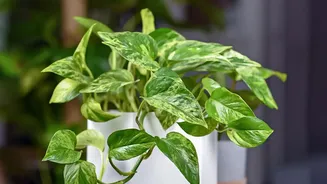
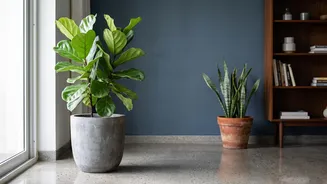
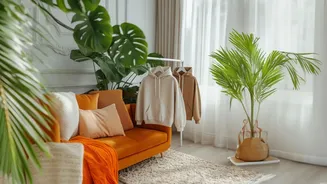
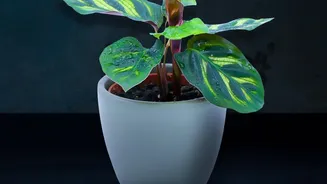
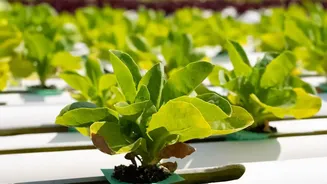
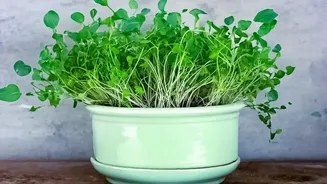
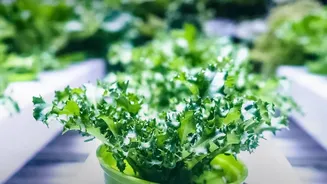
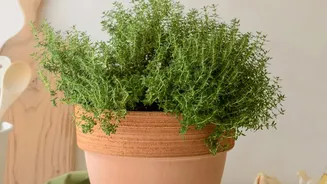
Once your lighting is sorted, it's time for the fun part: choosing your plants. Many popular Indian houseplants adapt beautifully to grow lights. For beginners, it's hard to go wrong with a Snake Plant, ZZ Plant, or Pothos (Money Plant), as they are famously low-maintenance and tolerate a wide range of conditions. If you're interested in growing your own food, many herbs thrive indoors. Basil (Tulsi), mint, and coriander can be grown easily on a windowsill or under a grow light. Leafy greens like spinach are also great candidates. For a splash of colour, consider flowering plants like Peace Lilies or African Violets, which can bloom beautifully with the consistent light provided by an LED setup.
Creative Setups for Small Indian Apartments
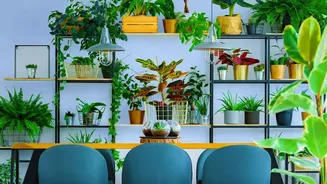
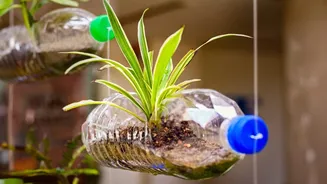
Limited floor space requires you to think vertically. Wall-mounted shelves or vertical planters are perfect for creating a living wall without cluttering your room. A simple tiered plant stand can hold several pots in the footprint of one. You can also transform an existing bookshelf into a plant haven by attaching slim LED bar lights underneath each shelf. Even a small, unused corner can become a feature with a single stylish pendant grow light hanging over a beautiful pot. In India, affordable DIY solutions are popular, using materials like bamboo trellises with grow bags or repurposing crates and ladders into plant stands.