
Defining the Underrated Destination
In travel, 'underrated' has become a buzzword for places that fly just under the radar. These aren't unknown destinations, but cities that offer incredible value, culture, and atmosphere without the overwhelming crowds of Europe's biggest names. An underrated city
gives you room to breathe and a chance to experience the daily rhythm of local life—think bustling markets, neighbourhood cafes, and quiet side streets. The appeal lies in swapping long queues for spontaneous discovery. It's about finding a place with a strong, authentic identity that hasn't been entirely reshaped by mass tourism. It’s less about ticking off a checklist of famous sights and more about soaking in the vibe, enjoying world-class food without the fuss, and feeling like you’ve stumbled upon a well-kept secret.
Ghent, Belgium: Fairytale Charm Without the Crowds
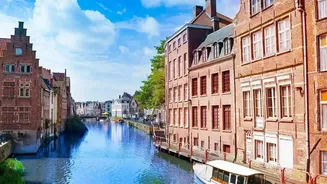
Often living in the shadow of Bruges and Brussels, Ghent is arguably Belgium's most beautiful and liveliest city. It has all the medieval charm you could want—a stunning castle right in the centre, canals lined with guildhalls, and cobbled streets—but with the added energy of a large student population. The city is incredibly walkable, inviting you to explore historic neighbourhoods like Patershol, a maze of charming streets now filled with excellent restaurants and cozy bars. You can climb the historic Belfry for panoramic views, take a boat tour along the picturesque canals, or admire the famous Ghent Altarpiece by the Van Eyck brothers. Unlike its more famous neighbours, Ghent feels more lived-in, offering a perfect mix of historic grandeur and a relaxed, local atmosphere.
Bologna, Italy: The Heart of Italian Food Culture
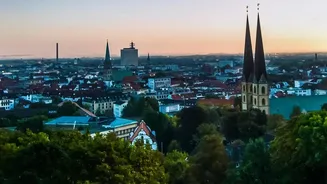
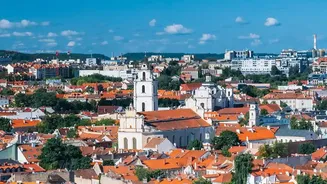
Known as 'La Dotta, La Grassa, La Rossa' (The Learned, The Fat, The Red), Bologna is home to the oldest university in the Western world, is the undisputed culinary capital of Italy, and is known for its red-tiled roofs. While many visitors flock to Florence and Rome, Bologna offers a more authentic, and arguably more delicious, Italian city experience. Its historic centre is a stunning network of covered porticoes—over 40 kilometres in total—that recently earned UNESCO World Heritage status, making the city walkable in any weather. You can wander through Piazza Maggiore, climb one of the city's medieval towers, and explore the Quadrilatero market, a vibrant hub of food stalls and delis. The true highlight is the food, from fresh tagliatelle al ragù to mortadella and parmigiano reggiano from the surrounding Emilia-Romagna region.
Ljubljana, Slovenia: Europe's Green and Charming Capital
Ljubljana is frequently cited as one of Europe's most charming and liveable capitals, yet it remains wonderfully uncrowded. The city centre is largely pedestrianised, making it a joy to explore on foot. The Ljubljanica River, crossed by numerous unique bridges like the Dragon Bridge and the Triple Bridge, is the heart of the city, its banks lined with bustling cafes and restaurants. Overlooking it all from a wooded hill is Ljubljana Castle, which offers fantastic views. Named the European Green Capital in 2016, the city is filled with parks and green spaces, giving it a relaxed and refreshingly clean feel. With its beautiful architecture, vibrant cafe culture, and easy-going atmosphere, Ljubljana is a perfect example of a capital city that feels both grand and intimate.