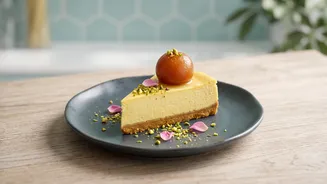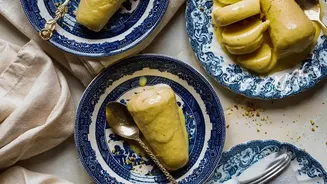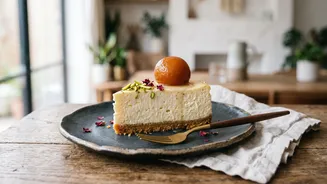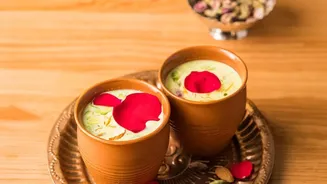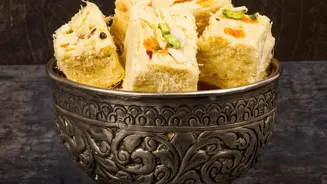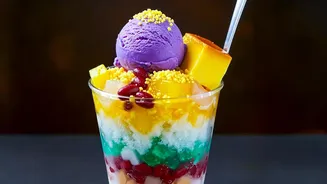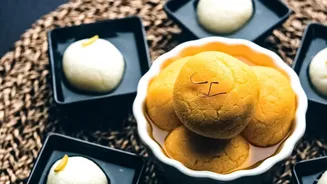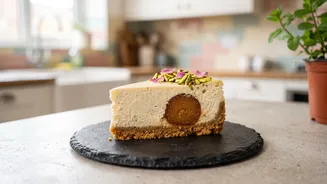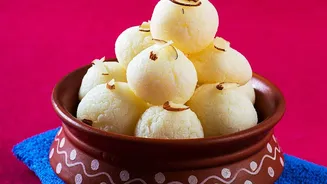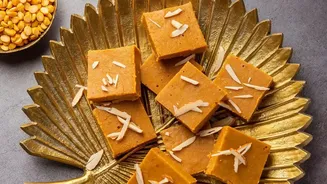



The aroma of ghee, cardamom, and sugar is a hallmark of any Indian festival. But look closer at the modern festive platter, and you'll see a quiet, delicious revolution unfolding as home cooks creatively reinvent traditional sweets.
The New Age of Mithai
In kitchens across
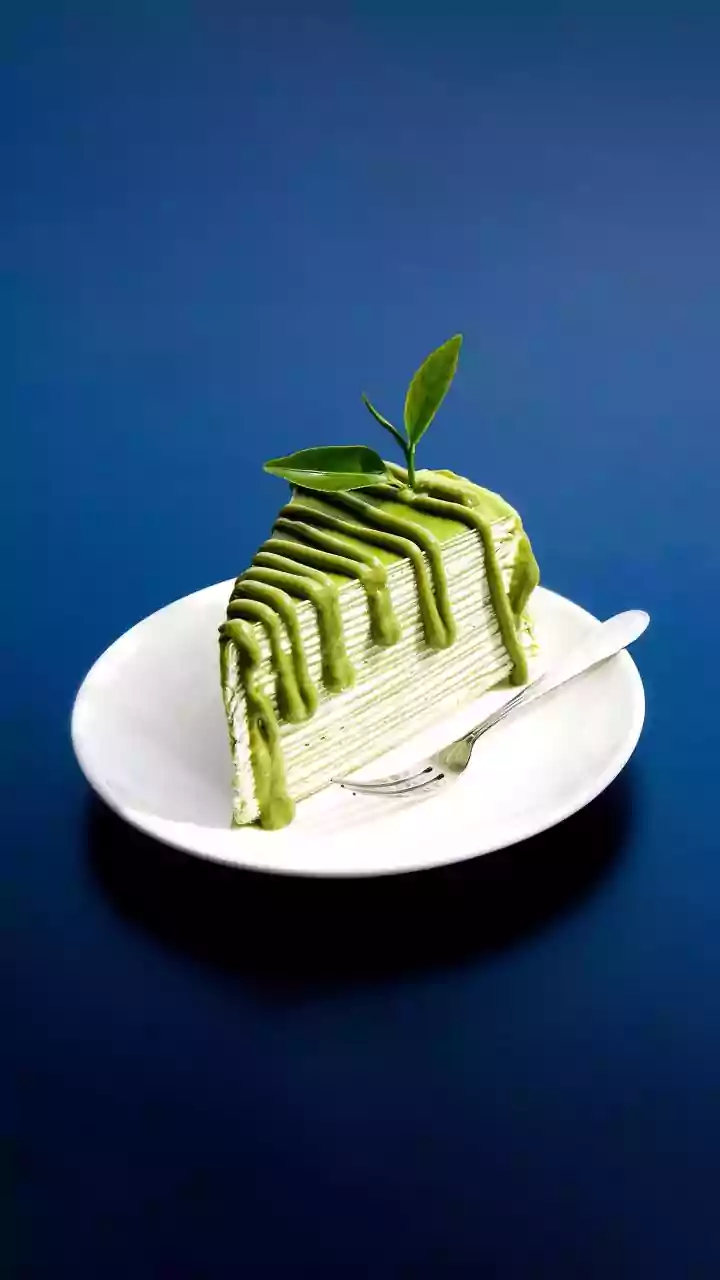
the country, the familiar forms of ladoos, barfis, and halwas are being playfully reimagined. This festive season, you’re just as likely to find a Gulab Jamun Cheesecake or a Motichoor Rabdi Parfait as you are the original classics. This trend isn't about replacing beloved recipes but augmenting them with global flair. Concepts like tiramisu, mousse, and cheesecakes are being infused with quintessential Indian flavours like saffron, rose, and pistachio. Examples of this creative wave include everything from Rasmalai Tres Leches cake and Badam Halwa croissants to Masala Chai-spiced doughnuts, showcasing a blend of Western techniques with an unmistakable Indian soul.
The Driving Forces Behind the Fusion
So why the shift? Several factors are contributing to this culinary evolution. A growing health consciousness is a significant driver, with many families seeking ways to reduce refined sugar and processed ingredients in their festive treats. This has led to a resurgence in the use of natural sweeteners like jaggery, dates, and honey, along with whole grains like millets. Furthermore, increased global exposure has introduced a wider palette of ingredients and dessert formats to the Indian home cook. Younger generations, in particular, are eager to experiment with these new ideas, creating sweets that appeal to both traditional tastes and modern sensibilities. The visual appeal for social media also plays a role, encouraging the creation of stunning, photogenic desserts that look as good as they taste.
Tradition Preserved, Not Replaced
This creative movement is less about disruption and more about adaptation. Cooks are deconstructing the flavour profiles of classic mithai and applying them in new contexts. The essential elements—the warmth of cardamom, the fragrance of rosewater, the richness of ghee, and the crunch of pistachios—remain the heart of these creations. The innovation lies in the texture and presentation. A creamy panna cotta might be infused with thandai, or a classic shortbread cookie might get a saffron and pistachio twist. This approach honours the heritage and emotional connection associated with these sweets while making them exciting for a new generation. It’s a way of ensuring that culinary traditions continue to evolve and stay relevant in a changing world.
A Bridge Between Generations
Fusion desserts often serve as a bridge between generations. While older family members might hold a deep nostalgia for the original, unadulterated recipes, younger members often appreciate the novelty and creativity of these new versions. These modern sweets can appeal to diverse palates, offering the comforting, nostalgic flavours for an older generation in a format that feels fresh and exciting to a younger one. Dishes like Gajar Halwa cupcakes or Rasmalai pudding cake are perfect examples, combining the essence of a beloved classic with a universally popular dessert format. This blend of old and new often brings a new level of excitement to the festive table, creating shared experiences and new memories.