



The Ultimate Long-Distance Message
To understand this cosmic time delay, we first need to talk about speed. Light, for all its incredible velocity, is not instantaneous. It travels at a blistering pace of nearly 300,000 kilometres per second. That’s fast enough to circle the Earth more
than seven times in a single second. But in the colossal emptiness of space, even this speed seems sluggish. Astronomers use a unit called a 'light-year' to measure these immense distances. It’s a common point of confusion, but a light-year measures distance, not time. It is simply the distance that light travels in one year — a staggering 9.46 trillion kilometres. When we say a star is 10 light-years away, it means the light we see from it tonight began its journey a decade ago.
Your Personal Sky-High Time Machine
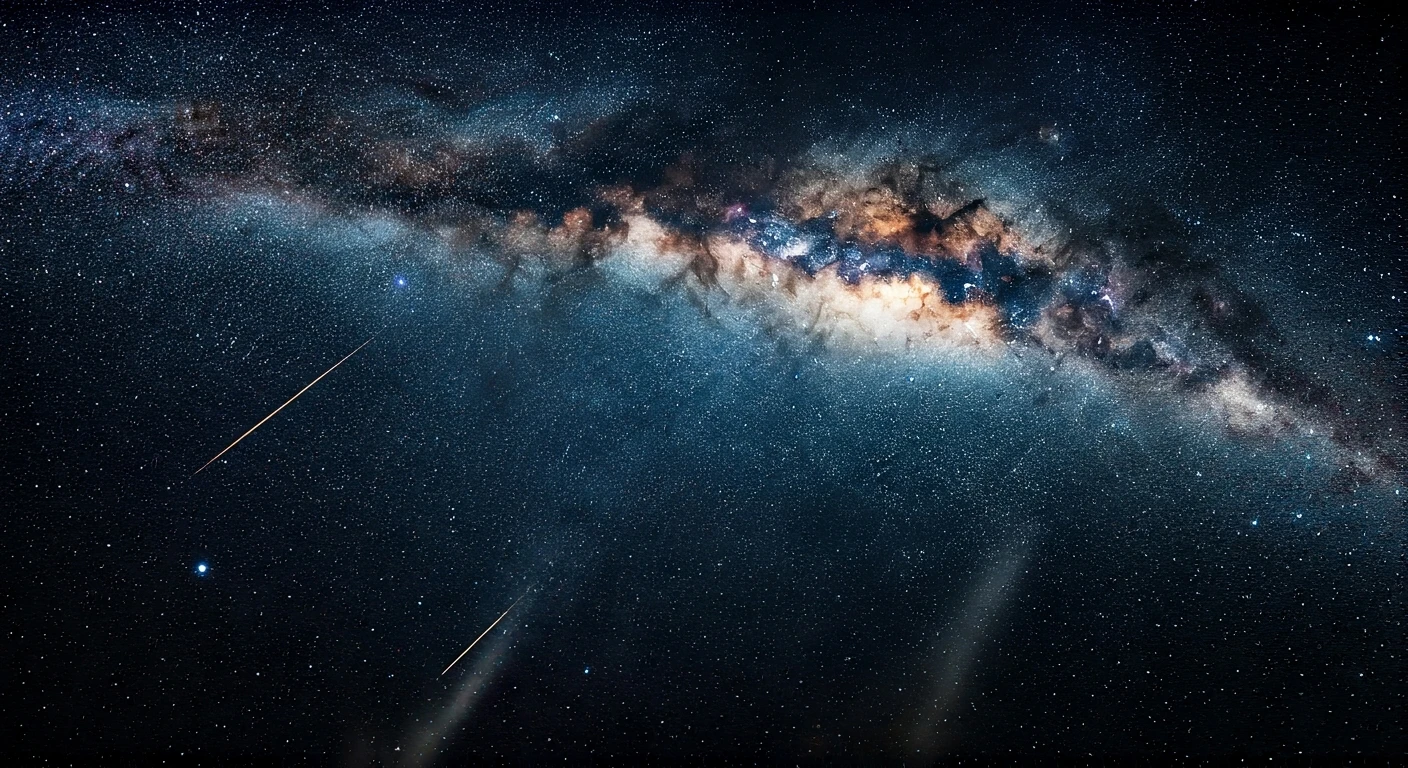
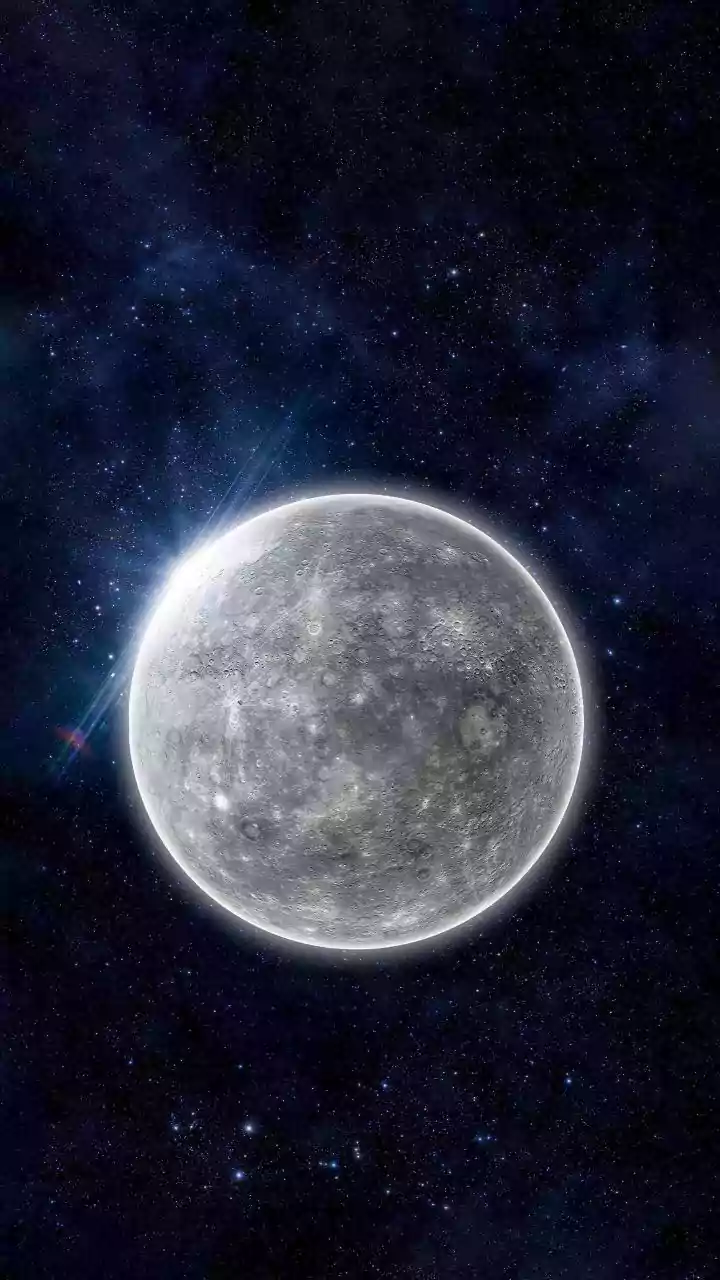
This effect isn't just limited to distant stars; it happens right in our cosmic neighbourhood. The light from our own Sun takes about 8.3 minutes to reach Earth. So, when you look at the Sun (with proper protection, of course), you are seeing it as it was over eight minutes ago. If the Sun were to suddenly vanish, we wouldn’t know about it for eight minutes. The same applies to the Moon, which is about 1.3 light-seconds away. Its glow is always 1.3 seconds old. This simple fact turns the night sky into a time machine. You are not looking at a single moment in time. Instead, you are viewing a collage, a mosaic of thousands of different 'thens' all appearing at once. Each star is a snapshot from its own unique point in history, determined solely by its distance from us.
Greetings from a Different Era
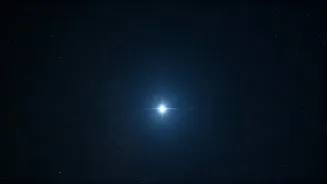
Let’s take some familiar faces from the Indian night sky. Sirius, known as Vyadha in Indian astronomy, is the brightest star in our sky. It is about 8.6 light-years away. The twinkle you see tonight from Sirius left the star when a child born today would just be starting to attend school. The light from Vega, another bright star, is 25 light-years old. It began its journey around the time the first web browsers were changing the world in the mid-1990s. The famous constellation of Orion, or Mrigashira, offers an even more profound example. The bright, reddish star Betelgeuse, which forms one of its shoulders, is approximately 640 light-years away. The light we see from it tonight started its journey towards Earth around the 14th century, a time when the Tughlaq dynasty was ruling parts of India. We are seeing light that is older than the Taj Mahal.
The Ghosts of Stars
This time gap creates a fascinating and somewhat unsettling possibility. Because the light takes so long to reach us, a star we see shining brightly tonight might not even exist anymore. Betelgeuse, for example, is a red supergiant at the end of its life. Astronomers believe it could go supernova anytime within the next 100,000 years. It’s entirely possible that it has already exploded — perhaps 100, 200, or even 500 years ago. If it did, its final flash of light is still hurtling through space, and we are still receiving the old, steady light from its past. We are, in a very real sense, looking at the ghost of a star, waiting for news of its death that happened centuries ago.
A Glimpse of Deep Time
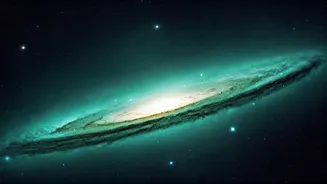
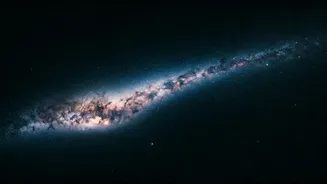
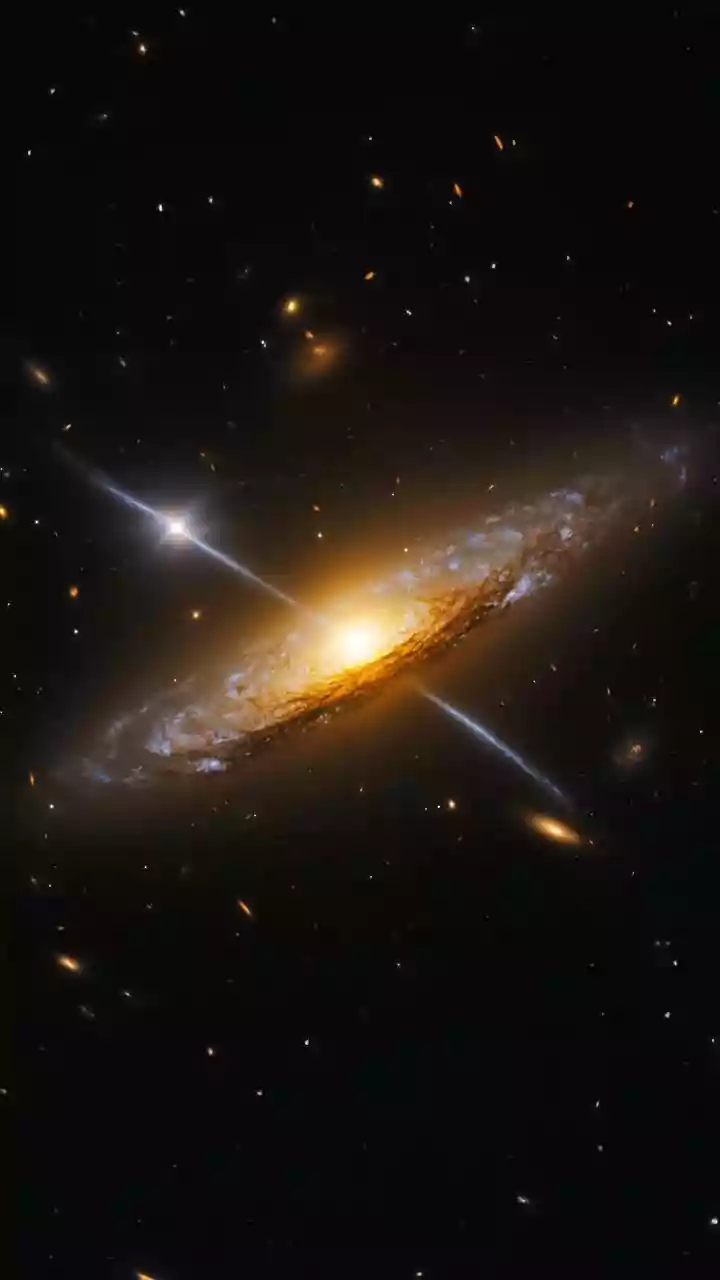
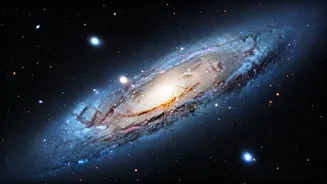
And the scale only gets more mind-bending. With a good pair of binoculars and a dark sky, you might be able to spot a faint, fuzzy patch known as the Andromeda Galaxy. It’s the closest major galaxy to our own Milky Way, but it’s still a colossal 2.5 million light-years away. The light you see from Andromeda tonight left before modern humans, Homo sapiens, even existed. It’s a message from a time when our distant ancestors were just beginning to shape tools on the African savannah. Every photon from that galaxy that strikes your eye has been travelling through the intergalactic void for 2.5 million years, completing its journey in that one, tiny moment of perception.