




From Tourist to Participant
Experiential travel is the simple idea that a trip can be more than a checklist. Instead of just visiting monuments, travellers are seeking to become active participants in the culture they are exploring. This means engaging with local communities, learning
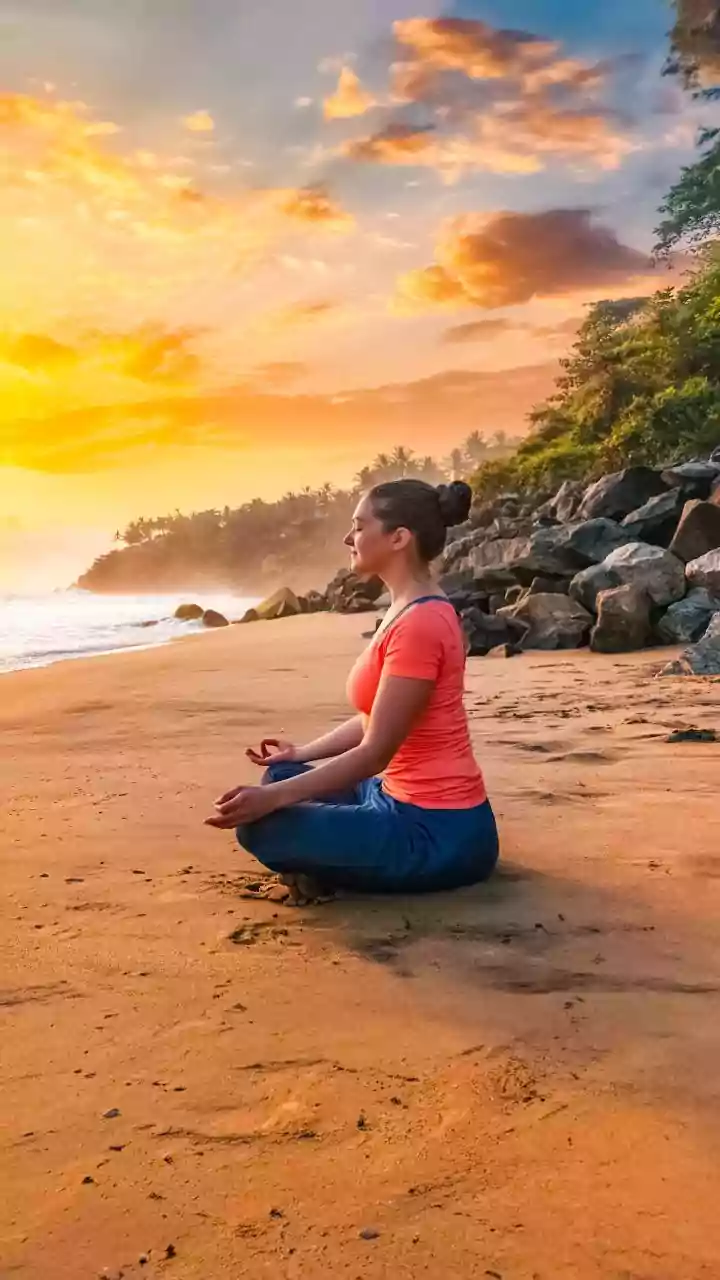
a new skill, or immersing oneself in nature. The focus is shifting from collecting photos to collecting memories and stories. This could mean anything from learning pottery from local artisans, taking a cooking class in a family home, joining a street food tour, or participating in a wellness retreat. The destination is no longer just a backdrop; it is an interactive stage for personal growth and authentic connection.
The Rise of the Weekend Escape
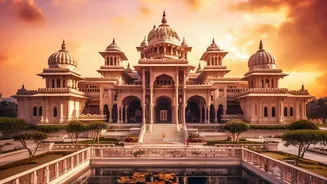
This new mindset is perfectly suited to the weekend getaway. Rather than one long annual vacation, many Indians, particularly the younger generation, now prefer taking multiple short trips throughout the year. According to a recent Airbnb report, seven in ten Gen Z travellers would rather take three short trips than one long annual holiday. These spontaneous, two-to-three-day escapes are often booked just days or weeks in advance, driven by the desire for a quick reset. The proximity of unique destinations near major cities—like vineyard stays near Nashik, wellness resorts in Igatpuri, or heritage villas near Jaipur—makes these frequent, experience-rich weekends more accessible than ever.
A New Generation Leads the Way
This trend is largely being championed by India's Millennial and Gen Z populations. This demographic, aged roughly between 18 and 35, now accounts for a significant portion of experiential travel bookings. Fueled by higher disposable incomes and the visual storytelling of social media, they seek unique, 'Instagrammable' moments that go beyond the mainstream. For this generation, travel is an act of self-expression. A staggering 95% want their trip to feel personal and unique, deliberately leaving itineraries open for spontaneous discovery rather than following a rigid plan.
Beyond the Usual Hotspots
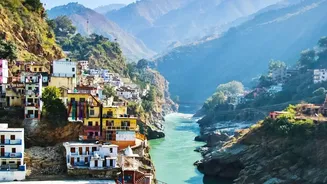
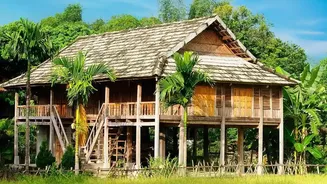
The quest for authentic experiences is pushing travellers off the beaten path. Crowded tourist hubs are being traded for quieter, more intimate destinations. This includes village stays in Uttarakhand and Himachal Pradesh, where travellers can participate in farming activities, or monastery stays in Ladakh that offer cultural immersion. The demand for adventure is also surging, with activities like trekking, river rafting, and camping becoming central to the holiday plan. This shift benefits local economies in remote areas and encourages a more sustainable form of tourism that values cultural preservation and community engagement.
How the Industry Is Adapting
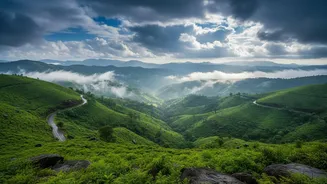
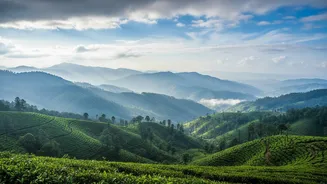
The travel and hospitality industry is quickly responding to this new demand. Boutique hotels, homestays, and eco-resorts are flourishing by offering more than just a place to sleep. They are curating unique packages centered around activities like wildlife safaris in Jim Corbett, guided nature walks in the Western Ghats, or culinary trails through Coorg's coffee plantations. Travel companies are designing hassle-free, immersive tours that cater to the 'anti-itinerary' crowd, focusing on flexibility and authentic local interactions. The market for experiential travel in India is projected to grow significantly, reflecting a permanent shift in what travellers value.