


Master the Headcount, Master the Menu
The first step to avoiding waste is knowing exactly who you're feeding. Don't rely on vague 'maybes'. A week before the event, send a polite message to your guests requesting a firm confirmation. This isn't being difficult; it's being organised. Once
you have your final number, differentiate between adults and children, as their portion sizes vary significantly. As a general rule, caterers estimate about one pound (around 450g) of total food per adult and half of that for a child. Having a precise number allows you to scale your recipes accurately, preventing the classic mistake of cooking for 30 when only 20 guests are confirmed.
Calculate Your Courses Wisely
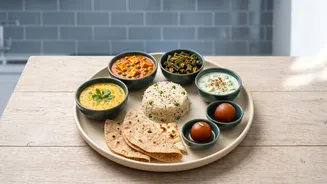
A common mistake is preparing full-sized portions for every single dish on the menu. Instead, think of your meal in components. The more variety you offer, the smaller the portion of each individual item you'll need. For main courses like curries or biryanis, a smart approach is to plan for about 6-8 ounces (170-225g) of a protein-based dish per person. For side dishes like dals, vegetables, or raita, 4-6 ounces (115-170g) is plenty. When it comes to appetisers, if a full meal is to follow, 3-4 pieces per guest is a safe bet. If your gathering is more of a snack-and-mingle affair, you can increase this to 4-6 pieces per person, per hour. This modular planning prevents any one dish from being completely ignored while others run out.
Shop Your Pantry First
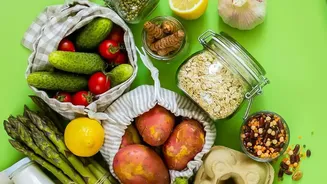
Before you even write a shopping list, take a full inventory of your own kitchen. Check your pantry, freezer, and refrigerator for ingredients you already have. You might discover you have a whole bag of chickpeas perfect for a sundal, or enough basmati rice to cover your main course. This 'shop your pantry' method not only cuts down your grocery bill but also ensures that older ingredients are used up first, promoting a zero-waste kitchen. Once you have your inventory, create a detailed shopping list and, most importantly, stick to it. Avoid the temptation of 'buy one, get one free' deals on perishable items unless you are absolutely certain you will use them.
The Buffet Illusion: Presentation Over Piles
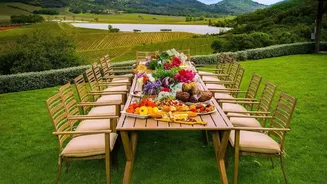
You can create a feeling of abundance without mountains of food. The key is presentation. Instead of using one enormous bowl for your biryani or curry, serve it in two smaller, elegant serving dishes placed at different ends of the table. Replenish them from a larger container kept warm in the kitchen as they empty. This strategy, used by professional caterers, keeps the food on the buffet looking fresh and appealing for longer. It also prevents the entire batch from getting cold or drying out. A beautifully arranged, well-garnished dish in a reasonable quantity looks far more appetising than a heaping, messy pile.
Embrace the Art of the Takeaway
In Indian culture, it's often considered rude for guests to see the last of any dish. This can lead hosts to intentionally over-prepare. Instead of letting that excess go to waste, plan for it. Normalise sending guests home with leftovers. Invest in some simple, eco-friendly takeaway containers and have them ready. As the party winds down, you can offer them to your guests. It’s a warm gesture that shows you care, and it ensures the food you lovingly prepared will be enjoyed instead of discarded. Announcing it can be as simple as saying, "I’ve made far too much, please do take some home for tomorrow!" Most guests will appreciate the offer.