






The Protein Puzzle
Walk down any supermarket aisle, and you'll see it: protein is the star of the show. From cookies and chips to breakfast cereals and ice cream, products are proudly displaying their protein content. This nutrient, essential for building muscle, repairing
tissue, and keeping us full, has become a major marketing buzzword. The promise is simple and seductive: eat this, and you’re being healthy. For busy people looking for a quick, nutritious fix, these products seem like a perfect solution. But the intense focus on this single nutrient can be misleading, creating a 'health halo' that makes us overlook what else is in the package.
Beware the 'Health Halo'
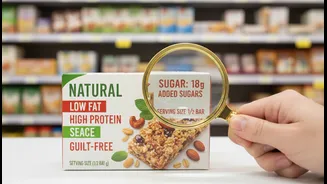
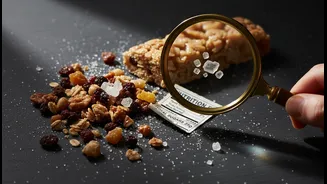
The 'health halo' effect is a cognitive bias where we let one positive attribute of a food, like its protein content, influence our overall perception of how healthy it is. Marketers know this well. When a product is labelled 'high protein,' consumers are more likely to perceive it as generally healthy, even if it's also loaded with sugar, unhealthy fats, or sodium. Studies show that products with prominent protein claims can lead people to underestimate their calorie count and ignore less desirable ingredients on the nutrition label. A protein bar might offer 15 grams of protein, but it could also contain as much sugar as a chocolate bar, turning a supposedly healthy snack into a dessert in disguise.
How Much Protein Do You Really Need?
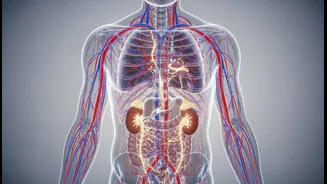
The marketing push for high-protein products has left many people believing they need huge amounts of it. In reality, most people's needs are more modest. According to the Indian Council of Medical Research (ICMR), a healthy adult needs about 0.83 grams of protein per kilogram of body weight each day. For a 65 kg man, that’s around 54 grams, and for a 55 kg woman, it's about 46 grams. While athletes or very active individuals may require more, many Indians who believe they are protein-deficient are often just not consuming it from the right sources, relying too heavily on carbohydrates. It's also important to note that excessive protein intake, particularly from processed sources, can put a strain on your kidneys and liver over the long term.
Read Beyond the Headline
To become a smarter consumer, you have to become a label detective. Ignore the flashy claims on the front of the box and turn it over to read the Nutrition Facts and ingredients list. The front is for marketing; the back is for information. Look at the serving size, as all the values listed are based on that amount, which can sometimes be deceptively small. Then, check the other key numbers. How much added sugar is there? What about saturated fat and sodium? A truly healthy snack will have a good balance of protein, fibre, and healthy fats, without being a vehicle for empty calories. The ingredients list is also revealing—if sugar, refined flours, or unpronounceable chemicals are at the top, it’s probably not the best choice, no matter how much protein it has.
Prioritise Whole Food Sources
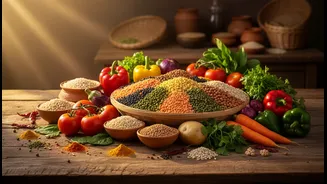
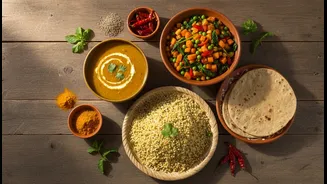
While a protein bar can be a convenient option in a pinch, it should never replace whole foods as your primary source of nutrition. Protein from natural sources like dals, chickpeas, paneer, eggs, chicken, fish, and nuts comes bundled with other essential nutrients like vitamins, minerals, and fibre, which are often stripped away in processed foods. These whole foods provide sustained energy and keep you fuller for longer, without the added sugars and preservatives found in many packaged goods. A simple bowl of dal and rice, for example, forms a complete protein and is a far more nourishing choice than a processed snack. Building your diet around these foundational foods is the key to long-term health.