




Charting Your Course
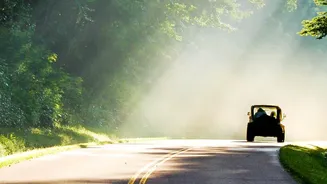
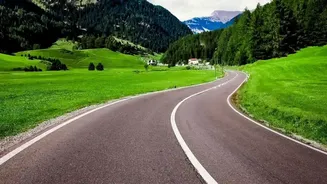
The drive from Bangalore to Agumbe covers approximately 350-380 kilometres and typically takes around 7 to 8 hours. The most common route passes through Hassan, Belur, and Sringeri. While the highways are generally in good condition, the adventure truly
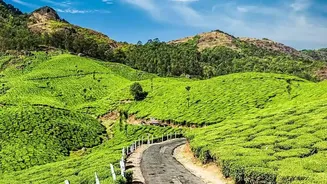
begins after Thirthahalli, where the roads become narrower and the famous winding ghat section starts. For a more relaxed journey, consider breaking it up with a stop in Hassan or Chikmagalur. The ideal time to travel is between October and February, when the monsoons have subsided, leaving behind lush greenery and clear skies perfect for photography.
Essential Driving Tips for the Ghats
Navigating the Agumbe ghat section, with its 13 hairpin bends, requires caution and skill. Driving during the heavy monsoon season (June to September) can be hazardous due to slippery roads, reduced visibility from mist, and the risk of landslides. It’s crucial to drive at a moderate speed, use lower gears on steep descents to control your speed (engine braking), and honk on blind turns. Ensure your vehicle is well-prepared: check your tyres for adequate tread, inspect your brakes, and make sure your wipers are in excellent condition. Given the dense forest and potential for patchy network coverage, carrying a physical map is a sensible backup to GPS.
Photo Stop: The Majestic Sunset Point
Agumbe's Sunset View Point is legendary, offering panoramic vistas across the Western Ghats. On a clear day, you might even glimpse the Arabian Sea on the horizon. This viewpoint is easily accessible, located just a short 10-minute walk from the main village. For the best experience and to secure a good spot, aim to arrive 30-45 minutes before sunset. The platform provides a stunning canvas of changing colours as the sun dips below the hills, making it a prime location for landscape photographers.
Chasing Waterfalls Through the Rainforest
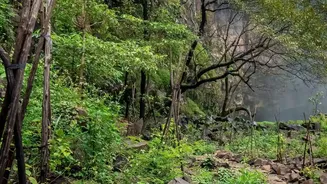
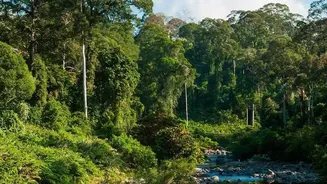
The region is dotted with spectacular waterfalls, many requiring a trek through the dense jungle. Barkana Falls, one of India's tallest, plummets from a height of about 850 feet and is a breathtaking sight, especially post-monsoon. For something more accessible, Jogi Gundi Falls is a short hike away and cascades into a pool suitable for a refreshing dip. Onake Abbi Falls requires a more moderate trek of about 4-5 kilometres, but rewards hikers with a powerful cascade named for its resemblance to a long pole used for grinding spices ('Onake' in Kannada). Remember to wear sturdy footwear and be prepared for leeches, especially during wetter months.
Capturing the Forest's Hidden Details
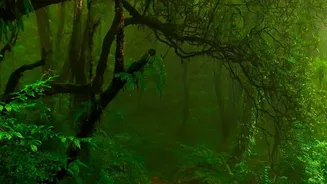
Agumbe's reputation as a biodiversity hotspot makes it a paradise for macro and wildlife photography. The Agumbe Rainforest Research Station (ARRS) is a hub for studying the region's rich ecology, including its most famous resident, the King Cobra. While organized tours might not always be available, a guided walk through the forest can reveal a world of colourful frogs, rare birds, butterflies, and unique flora. Early mornings are best for capturing the mist-laden atmosphere and active wildlife. Exploring the trails around Kundadri Hill, home to a 17th-century Jain temple, also offers incredible panoramic shots of the misty green landscape.