






Choose Wisely: The Foundation of a Great Food Gift
The success of a food gift begins with selecting items that can withstand the journey. The golden rule is to choose foods that are low in moisture and don't require refrigeration. In India's often warm climate, perishable items can spoil quickly, becoming
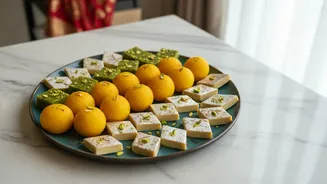
unsafe to eat. Excellent choices include dry sweets and snacks that are staples of Indian festivals. Think besan ladoo, atta pinni, barfi, and nutty chikkis. Savoury options like mathri, shakkarpara, and murukku also travel exceptionally well due to their low moisture content and long shelf life. Other durable ideas include homemade granola, spice mixes (masalas), pickles in well-sealed jars, and infused oils. These items are not only delicious but are inherently preserved, making them ideal for shipping.
What Not to Send: A Guide to Risky Foods
Just as important as knowing what to send is knowing what to avoid. Steer clear of anything that is highly perishable or needs to be kept cold. This includes dairy-heavy sweets like rasmalai, sandesh, and items with fresh cream or khoya that has a short life. Cheesecakes and creamy pastries are also poor candidates for shipping unless you can guarantee refrigerated transport, which is often complex and expensive for individual parcels. Chocolate can be tricky; it is likely to melt in transit, especially if temperatures are high. If you must send it, it requires special insulated packaging and cold packs. Also avoid anything with delicate structures that can be easily crushed, or items in flimsy or breakable containers like glass, unless packed with extreme care.
Packing for Perfection: Sealing in the Freshness
Proper packing is your best defence against damage and spoilage. Start with airtight containers for the food itself; tin boxes or high-quality plastic containers with secure lids work well. For items like ladoos or cookies, you can wrap them individually in food-grade paper or small pouches before placing them in the main container. Once your food is packed, select a sturdy, corrugated cardboard box for shipping. The key is to eliminate empty space within the box, as this prevents items from shifting and breaking. Use cushioning materials like bubble wrap, crumpled newspaper, or foam peanuts to fill any gaps. Create a buffer between the food container and the walls of the box. For an extra layer of protection, consider double-boxing the items.
Navigating the Final Mile: Transport and Timing
Your choice of courier and your timing are crucial. Opt for a reliable courier service with a good track record for handling food items. Many companies now offer specialised services for sending food parcels. Ship your package at the beginning of the week, ideally on a Monday or Tuesday. This reduces the risk of your parcel sitting in a non-climate-controlled warehouse over the weekend. It's also a wonderful gesture to give your recipient a heads-up that a perishable package is on its way. This ensures someone will be home to receive it, preventing the gift from sitting outside in the heat. Clearly label the box with the address and mark it as "Perishable" or "Fragile" to encourage careful handling.