





The Supply Chain Slowdown
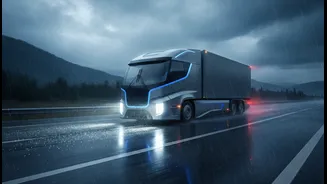
Long before your local shop runs low on essentials, the problem begins on the highways. When heavy rains turn roads into obstacle courses, the entire logistics network of the country feels the strain. Trucks that carry everything from fresh produce to factory
components are delayed for hours, and sometimes days. Recent reports during the monsoon season show that freight movement can be severely disrupted, with transportation times increasing by up to 40% in some regions. This delay isn’t just an inconvenience; it translates into higher costs. Logistics companies face increased fuel consumption from idling in traffic and higher maintenance needs. These extra costs are inevitably passed down, first to businesses and then to consumers, contributing to price volatility for everyday goods. For industries like textiles or restaurants, which rely on timely deliveries, these disruptions can mean missed deadlines and significant financial losses.
An Economic Toll in Crores
The economic impact of waterlogged roads and traffic snarls is staggering. Some estimates suggest that a single day of major disruption in a city like Mumbai can result in economic losses of over ₹1,000 crore. These losses are not just abstract numbers. They represent lost productivity, as employees struggle to get to work, with commutes sometimes doubling in time. They also represent direct damage to public and private property. Small and medium-sized enterprises (MSMEs) are particularly vulnerable. Flooding can damage inventory and machinery, forcing businesses to shut down temporarily or even permanently. For daily wage earners, a day of impassable roads means a day without income, pushing vulnerable families further into financial distress. The annual cycle of damage and repair places a continuous strain on public finances.
The Hidden Cost to Your Vehicle
Beyond the national economic data, there is a direct cost that millions of vehicle owners bear personally. Waterlogged roads hide a treacherous landscape of potholes and damaged surfaces. Each monsoon, drivers face an increased risk of suspension failures, tyre blowouts, and bent wheel rims. These repairs can be expensive, with costs per vehicle often running into thousands of rupees. It's an issue so common it has been dubbed a 'pothole economy', creating a recurring demand for repairs and spare parts. This damage is not just a financial drain; it is a significant safety hazard, especially for two-wheeler riders who are more vulnerable to accidents caused by uneven road surfaces.
A Matter of Life and Death
Perhaps the most critical, yet least discussed, delay caused by wet roads is the one affecting emergency services. Every second counts when an ambulance is rushing to a medical emergency or a fire engine is responding to a call. Waterlogged streets and traffic jams can turn a ten-minute journey into an hour-long ordeal. This can have life-or-death consequences. Ambulances may get stuck, and the risk of vehicle breakdown increases in flooded conditions. The slowdown in ambulance movement is a recurring problem in major cities during the monsoon, directly impacting patient care and safety at the most critical moments.
Beyond Inconvenience: An Infrastructure Challenge
The annual chaos on our roads is more than just a seasonal annoyance; it is a clear signal of underlying infrastructure challenges. Poor drainage systems, a lack of timely road maintenance, and rapid, often unplanned, urbanisation are key contributors to the problem. Heavy rainfall overwhelms drainage systems that were often designed for much lower capacities, and blockages from debris make the situation worse. The repeated cycle of roads deteriorating each monsoon highlights a need for more resilient construction and better urban planning. Addressing the issue requires a shift from reactive repairs to proactive, climate-adaptive infrastructure investment.