





The Great Monsoon Changeover
October is when India's primary rain-bearing system, the Southwest Monsoon, completes its withdrawal. The process typically begins in the northwest around mid-September and concludes over the southern peninsula by mid-October. This year, the withdrawal began
around September 19, close to the normal date. As these rains recede, they leave behind lush, green landscapes and freshly washed scenery, opening a fantastic window for tourism. However, this is also the month when the Northeast Monsoon, also known as the retreating monsoon, begins to affect the southeastern coast. This second monsoon picks up moisture from the Bay of Bengal and is crucial for states like Tamil Nadu, which receive a significant portion of their annual rainfall between October and December.
North India: Clear Skies and Pleasant Days
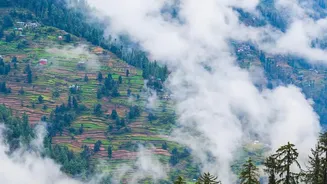
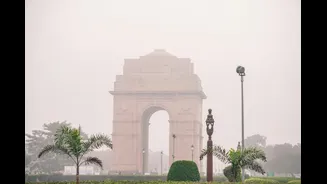
For travellers, North India is arguably at its best in October. States like Rajasthan, Punjab, and Haryana, along with the capital, Delhi, see the last of the monsoon rains disappear, giving way to clear skies, bright sunshine, and comfortable temperatures. Average daytime highs in Delhi hover around 33°C, with cooler nights. It's an ideal time to explore the majestic forts of Rajasthan in cities like Jaipur, Udaipur, and Jaisalmer without the oppressive summer heat or monsoon humidity. In the Himalayan states of Himachal Pradesh and Uttarakhand, the post-monsoon clarity offers stunning, unobstructed views of the mountain ranges, and it's also the tail end of the apple harvesting season in many areas. Destinations like Rishikesh are also popular for adventure sports and spiritual retreats.
South India: A Tale of Two Monsoons
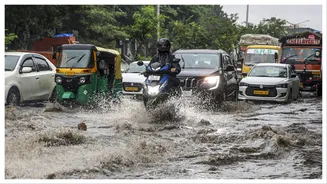
The travel outlook for South India in October is more complex. While the Southwest Monsoon has weakened, its remnants can still bring showers to Kerala and Karnataka early in the month. These states, including picturesque hill stations like Coorg, Wayanad, and Munnar, are incredibly lush and green after months of rain. However, the main weather story is the onset of the Northeast Monsoon, expected around the middle of the month. This primarily impacts Tamil Nadu, coastal Andhra Pradesh, and parts of Kerala. While the IMD has forecast normal post-monsoon rainfall for the southern peninsula, travellers should be prepared for rainy days, especially towards the end of October. This can lead to very heavy rainfall and potential flooding in coastal districts, so it's wise to check local forecasts before finalising plans.
West and Central India: Drying Out and Warming Up
In Western India, destinations like Goa and Mumbai are entering their prime tourist season. The Southwest Monsoon withdrew from Mumbai around October 3, which was earlier than usual. By October, the heavy rains have subsided, beach shacks begin to reopen, and the weather becomes far more pleasant. While the sea might still be a bit rough for swimming early in the month, it's an excellent time to enjoy the coastline with fewer crowds and lower prices compared to the peak season in December. Central India, including states like Madhya Pradesh, also becomes more accessible. Wildlife sanctuaries such as Bandhavgarh National Park typically reopen in October after being closed for the monsoon, offering renewed opportunities for safaris in pleasant weather.
East and Northeast India: Lingering Rains
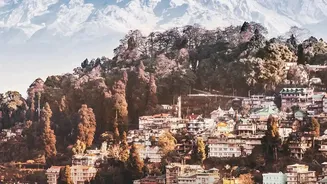
The monsoon's withdrawal from East and Northeast India is often the last part of its retreat. While the heaviest rains of the season are over, states like West Bengal, Sikkim, and the seven sisters of the Northeast can still experience significant post-monsoon showers in October. The IMD has noted that heavy rainfall can occur in Sub-Himalayan West Bengal and Sikkim in early October. For travellers, this means that while the landscapes in places like Darjeeling and Shillong are beautifully green, plans should remain flexible to account for potential rain. The upside is that temperatures are mild and the region is less crowded than during peak tourist seasons.