






Understanding the Humidity Problem
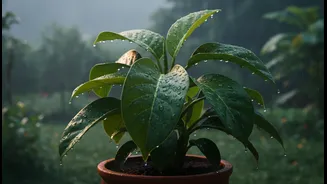
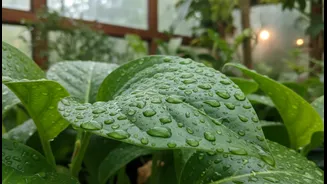
While rain is essential, the constant high humidity of the Indian monsoon season is a double-edged sword for plants. When the air is saturated with moisture, a plant's ability to transpire—or release water vapor through its leaves—slows down significantly.
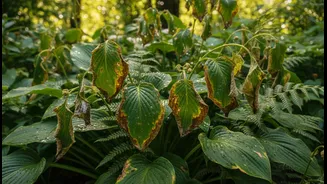
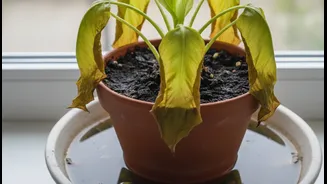
This process is vital for pulling water and nutrients up from the roots. When it's impeded, the soil stays waterlogged for longer periods. This creates a low-oxygen environment in the soil, which is the perfect breeding ground for fungal and bacterial diseases that can lead to the dreaded root rot. Common issues that flourish in these conditions include powdery mildew, black spot, and various forms of blight.
Rethink Your Watering Schedule
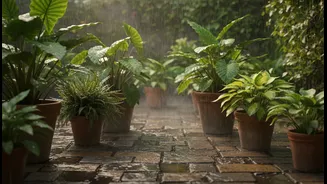
The single biggest mistake plant owners make during the monsoon is overwatering. With reduced evaporation and frequent rain, your plants simply do not need as much water as they do in drier seasons. Before you even think about watering, check the soil. The best method is the finger test: insert your finger about an inch or two into the soil. If it feels moist, hold off on watering. For outdoor pots, ensure drainage holes are clear and not blocked. Elevating pots on bricks or stands can also significantly improve drainage and prevent water from stagnating at the base.
The Critical Role of Air Circulation
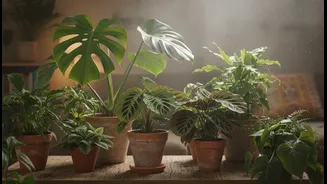
Good airflow is your best defense against fungal diseases, which thrive on damp leaves and stagnant, humid air. For indoor plants, this might mean spacing them further apart to allow air to move between them. Placing them near an open window or using a small fan on a low setting for a few hours a day can make a world of difference. For balcony or garden plants, strategic pruning to thin out dense foliage can open up the plant's canopy, allowing air to circulate freely and dry the leaves faster after a shower.
Pruning for Plant Health
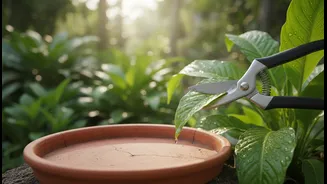
Pruning during the monsoon is less about shaping and more about health. Regularly inspect your plants for any yellowing leaves, dead or dying branches, and spent flowers. These parts are not only a drain on the plant's energy but are also prime targets for fungal infections. Removing them promptly improves air circulation and prevents diseases from taking hold. Always use clean, sharp scissors or pruning shears. It's a good practice to sterilise your tools between plants to avoid accidentally spreading any potential pathogens.
Proactive Pest and Disease Watch
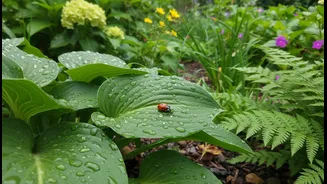
The damp, warm conditions of the monsoon are an open invitation for pests like fungus gnats, aphids, and mealybugs, as well as fungal diseases. Be vigilant and inspect your plants regularly, paying close attention to the undersides of leaves and the soil surface. If you spot trouble, act quickly. A simple spray of neem oil solution can be an effective and organic way to manage many common pests and fungal issues. Removing fallen leaves and debris from the soil surface also eliminates potential hiding spots for pests.
Soil and Potting Health
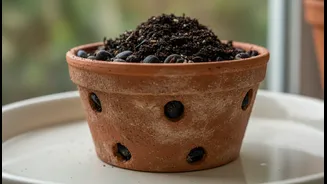
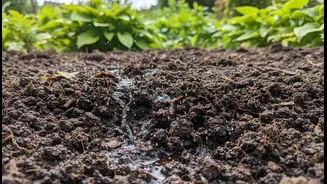
The monsoon is a tough time for plant roots. After heavy rain, compacted soil can prevent roots from getting the oxygen they need. Gently loosening the top layer of soil with a small trowel or fork can improve aeration. If you consistently struggle with waterlogged pots, consider the potting medium itself. Using a light, well-draining soil mix that contains components like sand, cocopeat, or perlite is essential for container gardening in this season. For particularly sensitive plants, terracotta pots can be a better choice than plastic ones as they allow moisture to evaporate through their porous walls.