



The Problem with Trapped Moisture
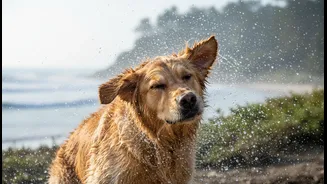
When a dog's harness gets wet, the fabric traps moisture against the skin and fur. This creates a warm, humid environment that is the perfect breeding ground for bacteria, particularly Staphylococcus, which is naturally present on a dog's skin. Instead
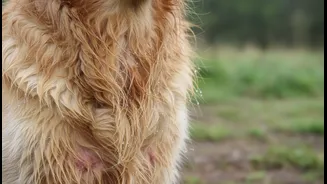
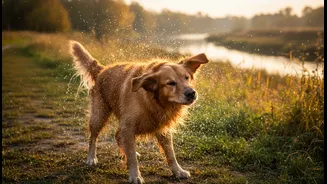
of the fur and skin air-drying normally, the damp harness straps seal in moisture, allowing these bacteria to multiply rapidly. This is especially true for dogs with thick, dense coats, such as Golden Retrievers, German Shepherds, and Collies, as their fur holds water for much longer, increasing the risk. Leaving a wet harness on for an extended period is a direct invitation for skin trouble.
Friction: The Abrasive Culprit
Moisture doesn't just encourage bacterial growth; it also significantly increases friction. A wet harness strap that would normally glide over a dry coat becomes abrasive against damp skin. As the dog moves, the wet material constantly rubs against sensitive areas like the armpits, chest, and belly. This rubbing action, or chafing, can quickly wear away the top layer of skin, creating raw, irritated patches and hair loss. This initial irritation is often the trigger that leads a dog to start licking, chewing, or scratching the area, further damaging the skin and creating an open wound.
From Irritation to Infection
The combination of broken skin from friction and a thriving bacterial population leads to a painful condition known as pyotraumatic dermatitis, or a 'hot spot'. These lesions can appear suddenly and grow quickly. They are typically red, inflamed, moist, and may ooze pus. What starts as minor chafing can escalate into a significant infection within hours as the dog's self-trauma from licking and scratching worsens the damage and drives the bacteria deeper into the skin. This creates a painful cycle of itching and scratching that makes the condition more severe.
Prevention Is the Best Medicine
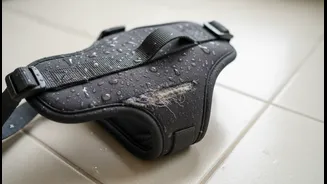
The solution is simple but crucial: always remove your dog's harness immediately after they get wet, whether from swimming, rain, or a bath. Once the harness is off, use a towel to gently pat the dog dry, paying special attention to the areas where the straps were, like under the legs and across the chest. For dogs with thicker coats, a low-heat pet-safe blow dryer can help ensure the undercoat is completely dry. Rinsing your dog with fresh water after they swim in saltwater can also help prevent irritation from salt residue before drying them. The harness itself should be allowed to dry completely before its next use to prevent bacteria from growing on it.
Choosing the Right Gear
While removing a wet harness is key, the type of harness you use also matters. Look for harnesses made from breathable, moisture-wicking materials that dry quickly. A proper fit is also essential; a harness that is too loose will move around and cause more friction, while one that is too tight can dig into the skin. You should be able to comfortably fit two fingers between the harness and your dog's body. Ensure straps are not positioned in high-movement areas like directly in the armpit where they are prone to rubbing. Regularly inspect the harness for wear and tear and clean it to remove dirt and bacteria build-up.
When to See a Veterinarian
If you notice any signs of skin irritation, such as redness, hair loss, or your dog excessively licking or scratching an area, it's important to act fast. For minor chafing, cleaning the area and keeping it dry may be sufficient. However, if a hot spot develops, veterinary care is recommended. A vet can properly clean the lesion, trim the surrounding fur to allow it to air out, and prescribe topical treatments, antibiotics, or anti-inflammatory medications to manage pain and infection. They can also provide an Elizabethan collar (or 'cone') to prevent your dog from licking the area and making it worse.