







What Is the Afternoon Slump, Really?
That wave of fatigue that hits between 1 p.m. and 4 p.m. isn't just in your head. It’s a combination of biological factors. A primary cause is our natural circadian rhythm, which includes a dip in alertness during the early afternoon. This is often compounded
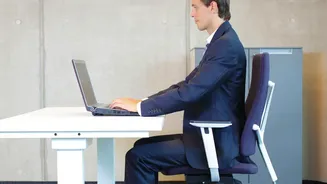
by what you ate for lunch. A meal high in refined carbohydrates can cause a rapid spike and subsequent crash in your blood sugar, leaving you feeling drained and unfocused. When you combine these factors with the mental fatigue that accumulates from hours of focused work and the physical inactivity of sitting at a desk, you have a perfect recipe for a productivity crash.
Meet NEAT: Your Secret Weapon
The solution lies in a concept called Non-Exercise Activity Thermogenesis, or NEAT. It sounds complex, but the idea is simple. NEAT is the energy you expend for everything you do that is not sleeping, eating, or structured, formal exercise like going to the gym. Think of it as all the incidental movement throughout your day: walking to a colleague's desk, tidying up, pacing while on the phone, fidgeting, or even just standing instead of sitting. While each individual movement is small, their cumulative effect on your daily energy expenditure and overall health can be substantial.
How Movement Fights Fatigue
Boosting your NEAT directly counters the causes of the afternoon slump. Frequent, low-intensity movement helps stabilize blood sugar levels, preventing the dramatic crashes that lead to tiredness. It increases blood flow and circulation throughout the body, delivering more oxygen to your brain and helping you feel more alert and focused. Even small actions like fidgeting have been shown to increase the production of chemicals like dopamine and norepinephrine, which are linked to focus and concentration. Essentially, by integrating more movement into your workday, you are sending consistent signals to your body and brain to stay engaged and energized, rather than powering down.
Incorporate These NEAT Habits Today
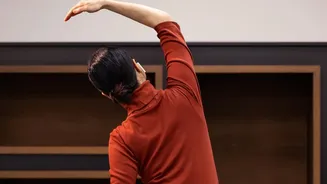
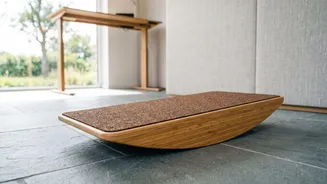
Making NEAT a part of your routine doesn't require a major overhaul. The key is to find small, consistent opportunities to move more. Try standing up every time you take a phone call. If you have a question for a coworker, walk over to their desk instead of sending an email or instant message. Opt for the stairs instead of the elevator whenever possible. While seated, you can practice active fidgeting like tapping your feet or doing ankle rolls. Consider using a standing desk for portions of your day; studies show it can improve mood and energy levels. Set a timer to remind yourself to stand up and stretch for one or two minutes every half hour. Even simple desk exercises like calf raises or torso twists can make a difference.
Making It Stick
The goal is to turn these small actions into effortless habits. One effective method is habit stacking. For example, tell yourself, “After I finish writing an email, I will stand up and stretch.” Or, “When my meeting ends, I will take a quick walk to the water cooler and back.” By linking a new NEAT activity to an existing part of your routine, you make it easier to remember and execute. Hydration also plays a key role, as even mild dehydration can manifest as fatigue, so keep a water bottle on your desk and sip it throughout the day. Remember, consistency is more important than intensity. Start with two or three simple habits and build from there.