






Beyond the Sightseeing Checklist
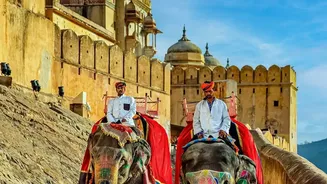
For decades, tourism in India often meant a whirlwind tour of the Golden Triangle or a sprint through a list of famous forts and palaces. While these landmarks are historically significant, a shift is underway. Travellers are increasingly seeking a deeper
connection, moving away from passive sightseeing towards active cultural participation. A culture-led itinerary redefines the journey, prioritizing immersive adventures that allow travellers to learn and engage. This approach isn't about doing less; it's about experiencing more with intention. Instead of just viewing a temple, it’s about understanding the rituals. Instead of just buying a souvenir, it’s about meeting the artisan who created it. This mindset transforms a holiday into a journey of discovery, where the goal is to return home with new knowledge and stories.
The Power of Slow and Community-Centric Travel
This new-look travel aligns with the principles of “slow travel,” which encourages a more relaxed pace to truly absorb a destination. It’s about spending more time in fewer places, allowing experiences to unfold naturally without the pressure of a packed schedule. A key element of this is community-based tourism, which puts local people at the heart of the experience. This model ensures that tourism revenue directly benefits the residents, whether through homestays, locally-guided tours, or the sale of handicrafts. It fosters a more respectful and equitable exchange, allowing travellers to see a place through the eyes of those who call it home and understand the challenges and triumphs of daily life. Organizations across India are now facilitating these connections, from empowering farmers in Wayanad, Kerala, with additional income through tourism to training women as drivers in Delhi.
Engage with Living Heritage
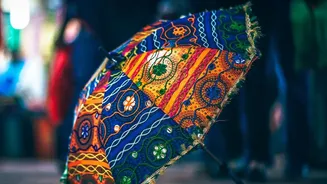
The opportunities to engage with India's living heritage are vast and varied. In Rajasthan, you can join a block-printing workshop in Jaipur or Bagru, learning the intricate process from master artisans who have inherited the craft through generations. In Kutch, Gujarat, you can participate in workshops on everything from spinning and weaving heirloom cotton to copper bell forging and traditional embroidery. Food lovers can take culinary tours that go beyond restaurants, offering classes on traditional recipes or guided explorations of bustling spice markets. Heritage walks, led by local experts in cities like Delhi, Varanasi, and Kolkata, peel back the layers of history in crowded bazaars and quiet colonial lanes, revealing stories hidden behind chaotic shopfronts. These hands-on activities provide a rich, sensory experience that a simple photograph or souvenir could never capture.
How to Plan Your Cultural Journey
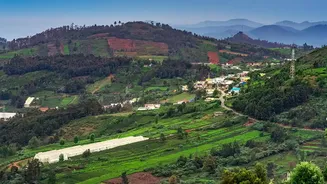
Finding these authentic experiences is easier than ever. A growing number of travel companies and local collectives specialise in curating culture-led and community-centric tours. Look for operators that emphasize sustainable practices and genuine local partnerships. Platforms like Rajasthan Studio or initiatives like Detour Odisha offer specific, immersive workshops and heritage walks. Booking a homestay rather than a hotel can provide unparalleled insight into local life. The key is to do your research and choose providers who are transparent about how they work with communities. Don't be afraid to step off the beaten path; a recent report showed that a vast majority of travellers are eager to explore lesser-known destinations to find authentic traditions away from the crowds. Whether it's the tribal cultures of the Northeast or the serene backwaters of Kerala, a culture-first approach can unlock a side of India you won't find in a standard guidebook.