






The Chicken-and-Egg Problem
For many fresh graduates in fields like graphic design, writing, web development, and marketing, the job hunt presents a classic paradox: you need a strong portfolio to get a job, but you need a job to get portfolio-worthy projects. This is where many promising
careers can stall before they even begin. An empty portfolio does not signal a lack of talent, but it does prevent hiring managers from seeing your skills in action. Without tangible proof of your abilities, a resume can only say so much. This is precisely the gap that mock projects are designed to fill, providing a proactive way to demonstrate your value.
What Are Mock Briefs and Why Do They Work?
A mock client brief is a simulated project assignment that mimics a real-world client request. It outlines a fictional company, a problem or goal, target audience, deliverables, and constraints. Working on these briefs does more than just generate content for your portfolio; it proves to employers that you can translate a client's needs into a tangible solution. This is a critical skill that hiring managers actively look for. It shows you can think strategically, solve problems, and execute a project from start to finish—not just follow a tutorial. A portfolio with three to five well-executed mock projects can be more impressive than one with dozens of smaller, context-free exercises.
Where to Find Quality Briefs
The internet offers numerous resources for finding mock briefs, but their quality can vary. Simple, one-paragraph prompts from some generators can be a good starting point for breaking a creative block, but they often lack the detail needed for a deep, impressive case study. For more robust challenges, look for brief generators like FakeClients or Briefz.biz, which offer more detailed scenarios. You can also look for design challenges on social media, join creative communities like D&AD or Reddit's r/briefhive for briefs, or even invent your own by picking a real business and creating a redesign concept. The goal is to find a problem that allows you to showcase a wide range of your skills.
Treating Mock Projects Like Real Work
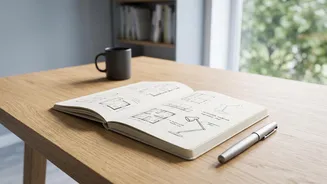
The key to a successful mock project is to treat it with the same professionalism as a paid gig. This is your chance to show a potential employer your work ethic and process. Set your own deadlines, document your journey, and focus on the 'why' behind your decisions. Don't just show the final design; show your sketches, early iterations, and the reasoning that led you to the final product. Hiring managers are not just interested in the finished piece; they want to see how you think and solve problems. This narrative transforms a simple design into a compelling case study that demonstrates your value as a creative partner.
Showcasing Your Work for Maximum Impact
How you present your mock project is just as important as the work itself. In your portfolio, clearly label it as a conceptual or self-initiated project. Then, build a case study around it. Start by re-explaining the mock brief to provide context. Walk the viewer through your process, explaining the challenges you faced and the solutions you developed. Use mockups to show your design in a real-world context—a website on a laptop screen or a logo on a business card. This professional presentation makes the project feel real and demonstrates that you understand how your work functions in a commercial environment, significantly boosting your credibility with potential employers.