



What the Report Suggests
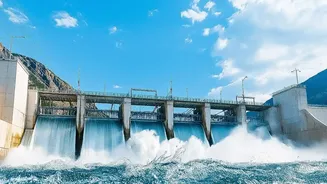
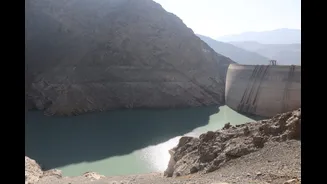
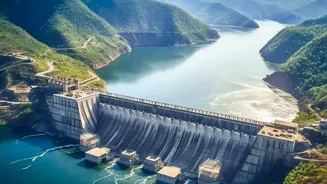
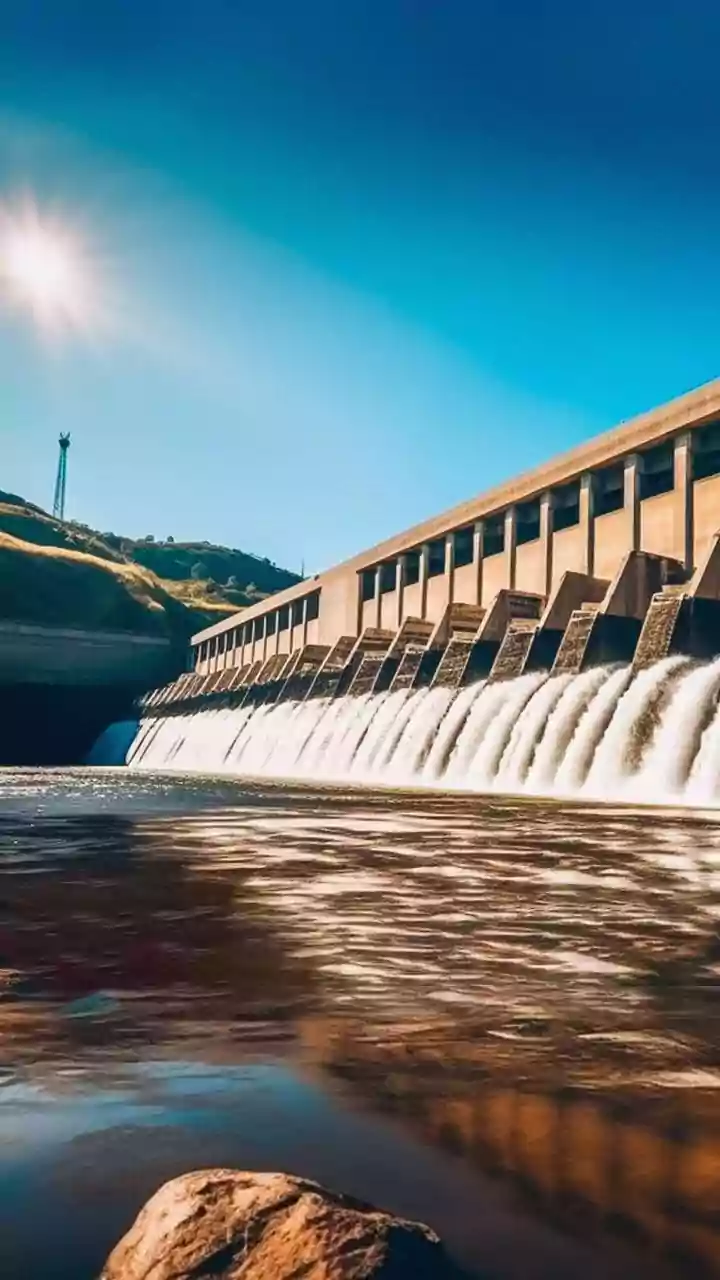
A New York Times report has brought forward a provocative hypothesis stirring debate among water and military experts. The central question is why Iran, a global leader in dam construction, has built so many, with some projects having no clear civilian
or economic justification. Researchers noticed that the geographic pattern of Iran's 533 dams closely mirrors the locations of recent US and Israeli airstrikes targeting suspected missile sites. This has led analysts to speculate that some of these massive water projects might have been developed, at least in part, to provide a steady, independent supply of water and electricity to Iran's so-called underground 'missile cities'.
A Dual-Use Dilemma
The theory, while not definitively proven, centers on the concept of dual-use infrastructure. While dams are crucial for civilian life in a country often facing water shortages, their strategic placement could offer significant military advantages. Experts interviewed for the report suggest that having an independent power and water source would grant Iran's missile complexes 'operational continuity', ensuring they can function even if the national grid is disrupted during a conflict. This turns vital civilian assets into potential military-support systems. The hypothesis is that this colocation is not a coincidence, but a deliberate strategic choice consistent with Iran's defense posture of decentralization and redundancy.
Strategic Cover or Human Shields?
This development is part of a broader, documented pattern of Iran's Islamic Revolutionary Guard Corps (IRGC) using civilian infrastructure for military purposes. A leaked IRGC directive previously detailed how non-military spaces like sports centers, warehouses, and industrial facilities could be repurposed to hide missile units. During recent conflicts, Iranian security forces were reportedly moved into schools, hospitals, and mosques. This strategy creates a complex dilemma for adversaries. Striking these locations risks civilian casualties and international condemnation, effectively turning the population into human shields. The US military has warned that such locations can lose their protected status under international law once used for military operations.
Fierce Denials and Counter-Threats
The report has triggered a furious response from Tehran. Iranian officials have labeled the allegations a 'malicious campaign' to create pretexts for attacking the nation's vital infrastructure. Parliament Speaker Mohammad Bagher Ghalibaf issued a stark warning, stating that if Iranian dams are considered 'dual-use', then any dam, port, or power plant near a US or Israeli base will be viewed the same way by Iran. This counter-threat escalates the rhetoric and raises concerns about a potential expansion of conflict to target critical civilian infrastructure across the region. Other analysts have also urged caution, pointing out that many dams serve essential civilian needs and that the link remains speculative.
The Broader Geopolitical Implications
Regardless of whether the dams were built with military intent, their proximity to missile sites creates a new layer of strategic risk. The report complicates the calculus for any foreign military action against Iran. Attacking a missile facility could inadvertently damage a nearby dam, potentially causing catastrophic downstream flooding and an environmental disaster. Conversely, leaving the dams untouched could mean allowing critical support infrastructure for Iran’s missile program to remain operational. This strategic entanglement ensures that Iran's water infrastructure will now be a key focus for international intelligence and military planners, adding another volatile element to the tense security landscape of the Middle East.