


What Exactly Is Cat-Cow?
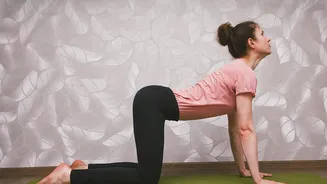
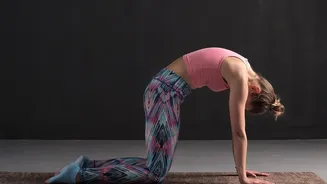
Known in Sanskrit as Marjaryasana-Bitilasana, Cat-Cow is not one static pose but a dynamic, flowing movement between two positions. It’s a gentle sequence that transitions between arching the back (Cow Pose) and rounding the spine (Cat Pose). This fluid
motion is typically performed on all fours and is synchronized with your breath, making it a meditative and physically beneficial practice. Often used at the beginning of a yoga session, its accessibility and profound benefits make it a valuable exercise for everyone, from absolute beginners to seasoned practitioners. It serves to gently massage the spine, improve circulation, and prepare the body for more activity.
The Ultimate Gentle Warm-Up
Cat-Cow is widely celebrated as an ideal warm-up for a reason. It systematically increases flexibility in the spine, neck, and shoulders. The gentle flexion and extension wake up the back muscles and increase blood flow to the vertebrae, reducing stiffness that can accumulate from daily activities like sitting at a desk. The movement also stimulates the abdominal organs and helps engage the core, promoting better postural awareness before you begin a more strenuous workout. By linking breath with movement, it also calms the nervous system, helping you center your mind and focus on your body. This makes it perfect not just for yoga, but as a precursor to any form of exercise or even as a simple morning ritual to start your day.
Your Step-by-Step Guide to Cat-Cow
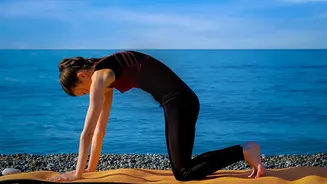
Performing Cat-Cow correctly ensures you receive its full benefits. Start on a yoga mat or a soft surface to protect your joints.1. Start in Tabletop Position: Come onto your hands and knees. Align your wrists directly under your shoulders and your knees directly under your hips, about hip-width apart. Your back should be flat, like a tabletop.2. Inhale into Cow Pose (Bitilasana): As you take a slow inhale, drop your belly toward the mat. Lift your chest and tailbone, creating an arch in your spine. Broaden your collarbones and look forward or slightly up, but be careful not to crane your neck.3. Exhale into Cat Pose (Marjaryasana): On your exhale, reverse the movement. Press into your hands to round your spine toward the ceiling, like a cat stretching its back. Tuck your chin toward your chest and release your head toward the floor.4. Flow with Your Breath: Continue flowing between Cow on the inhales and Cat on the exhales. Repeat for 5 to 10 breath cycles, focusing on slow, controlled movements. The goal is to feel each vertebra moving, not to rush through the poses.
Common Mistakes to Avoid
To get the most out of the pose and prevent strain, watch out for these common errors: Rushing the Movement: The benefits of Cat-Cow come from a slow, mindful connection between breath and motion. Moving too quickly turns it into a less effective exercise. Incorrect Alignment: Ensure your wrists are under your shoulders and knees are under your hips. Having them too far forward or back can cause unnecessary pressure and limit your range of motion. Cranking the Neck: In Cow pose, the gaze should lift gently. Avoid throwing your head all the way back, which can strain your neck. Similarly, in Cat pose, don't force your chin to your chest; let your head hang naturally. Forgetting the Core: While the spine is the focus, engaging your abdominal muscles throughout the movement provides support and deepens the stretch. In Cat pose, actively pull your navel toward your spine.
Modifications for Every Body
Cat-Cow is highly adaptable. If you experience discomfort, try these variations: For Sensitive Knees: Place a folded blanket or towel under your knees for extra cushioning and support. For Wrist Pain: If pressure on your wrists is uncomfortable, you can come down onto your forearms, creating a smaller range of motion. Another option is to make fists and rest on your knuckles or use a folded mat to lessen the angle of your wrist.* Seated Cat-Cow: This pose can be done while sitting in a chair. Sit tall with your feet flat on the floor and hands on your knees. On the inhale, arch your back and pull your chest forward. On the exhale, round your spine. This is a great alternative for the office or for those with limited mobility.