


Beyond the Monument Checklist
Visiting historical monuments and museums offers a valuable glimpse into a region's past. But to truly understand its present, you need to see its culture in action. Festivals are moments when a community's heritage isn't just displayed behind glass;
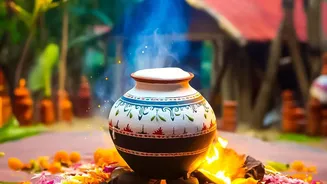
it's performed, sung, tasted, and celebrated in the streets. They are living, breathing expressions of identity that invite you to be more than just a spectator. Instead of just seeing where people lived, you get to experience how they live, connected by rituals and traditions passed down through generations. This is where a simple trip transforms into a meaningful story.
A Living Museum of Traditions
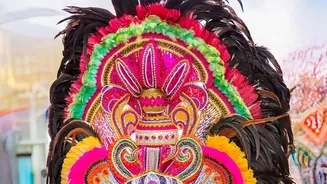
Imagine a museum where every exhibit is alive. That’s a cultural festival. Consider the Hornbill Festival in Nagaland, held annually in December. It's not just a tourist event; it's a deliberate effort by the state's diverse tribes to preserve and showcase their unique cultural identities. Visitors can step into replicas of traditional tribal morungs (communal houses), witness ancient folk dances, hear stories in song, and see craftsmanship firsthand. Each of the state's major tribes participates, offering an unparalleled opportunity to understand the nuances of Naga heritage in one vibrant place. It’s an immersion that a book or a documentary simply cannot replicate.
Conversations Without a Guidebook
At a typical tourist site, your interactions might be limited to a guide or a ticket vendor. At a festival, the lines between visitor and local blur. Take the Pushkar Camel Fair in Rajasthan, which swells a quiet town into a bustling hub of traders, pilgrims, and performers each November. While it's famed as the world's largest camel fair, it is also a massive cultural and spiritual gathering. You might find yourself sharing a cup of chai with a camel trader, watching a good-natured longest-moustache competition, or simply observing families as they participate in rituals by the sacred lake. These unplanned encounters and shared experiences lead to a much deeper and more personal connection with the place and its people.
Tasting the True Flavours of a Place
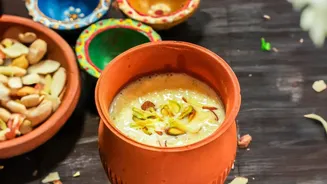
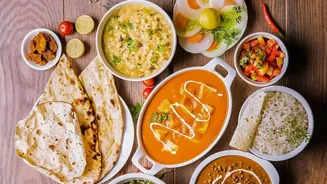
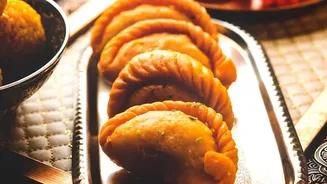
Food is a cornerstone of culture, and festival food is often the most authentic and beloved expression of a region’s culinary heritage. During a festival, families and vendors prepare special dishes that may not be available year-round, made with pride and local ingredients. Whether it's sampling different tribal cuisines in Nagaland, enjoying vegetarian delicacies during Navratri in Gujarat, or tasting home-cooked sweets during Diwali, food becomes a direct link to the local way of life. It’s an experience that goes far beyond a standard restaurant meal, offering a taste of tradition itself.
Finding the Right Festival for You
The key is to look beyond the most famous events. While large festivals are spectacular, smaller, regional celebrations can offer an even more intimate glimpse into local life. For a truly profound experience, consider something like the Theyyam rituals in North Kerala. Running from roughly November to May, these ancient, fiery performances are not staged for tourists but are deeply spiritual community events held in small temples and ancestral homes, often late at night. Witnessing a Theyyam is to see a belief system come alive. When choosing a festival, think about your interests—be it music, spirituality, food, or crafts—and seek out the celebrations, big or small, that align with them.