




The Embrace of a Perfect Pairing
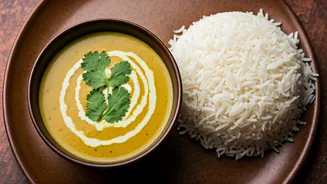
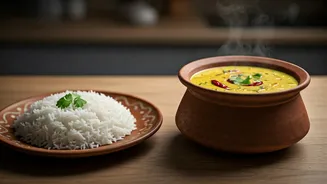
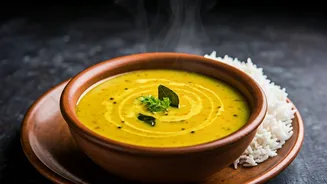
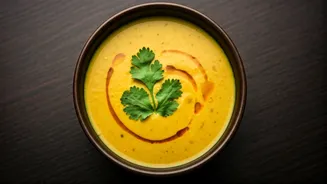
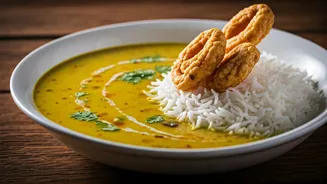
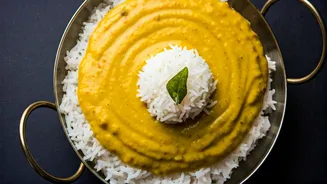
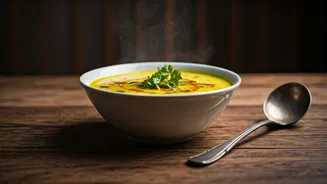
At its heart, the magic of Kadhi Chawal lies in its flawless symphony of textures and flavours. The kadhi itself—a slow-simmered, golden-hued gravy made from tangy yogurt (dahi) and nutty gram flour (besan)—is a lesson in balance. It’s sour, spicy, salty,
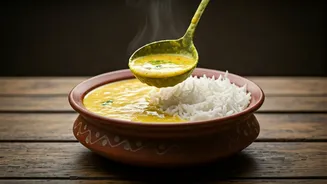
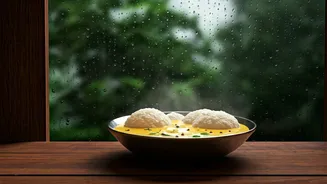
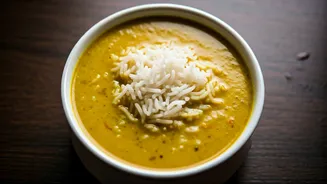
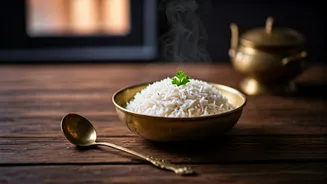
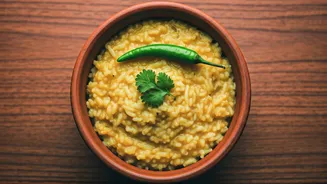
and sometimes even a little sweet, all at once. When this luscious, flowing curry is poured over a bed of fluffy, steamed rice, something elemental happens. The rice grains absorb the liquid, becoming plump vessels of flavour, while providing a neutral, comforting base that mellows the kadhi’s zesty punch. It’s a culinary partnership where each component makes the other better, creating a mouthful that is both exciting and deeply soothing. This isn't a dish that shouts for attention; it whispers of comfort, a reliable and satisfying experience every single time.
A Dish with a Hundred Hometowns
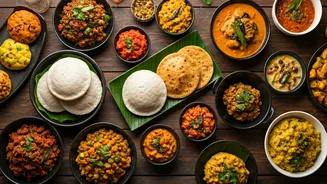
To say 'Kadhi' is to speak of a dish with countless addresses. Its beauty is its adaptability, a culinary chameleon that reflects the palate of its region. The Punjabi version is perhaps the most famous: thick, spicy, and punctuated with soft, deep-fried gram flour dumplings (pakoras) that soak up the gravy. Travel west to Gujarat, and the kadhi transforms. It becomes thinner, lighter, and carries a distinct sweet and sour profile, often omitting pakoras in favour of a simple, elegant tempering of ghee, mustard seeds, and curry leaves. In Rajasthan, the kadhi is fiercely spicy, a 'pithod ki sabzi' where gram flour cakes replace pakoras. Meanwhile, the Maharashtrian 'solkadhi' is a different beast altogether, a pink-hued, refreshing drink-like curry made with coconut milk and kokum. This regional diversity means Kadhi Chawal is never monotonous. It’s a familiar friend that shows you a different side of its personality depending on which family’s kitchen you’re in.
The Unspoken Science of Comfort
Our love for Kadhi Chawal isn’t just nostalgia; it’s rooted in simple science. The base of the dish, yogurt, is a natural probiotic, known for aiding digestion and promoting gut health. Gram flour is a source of protein and fibre, providing a more sustained sense of fullness than refined flours. The classic tempering, or 'tadka,' isn't just for flavour; it's a bouquet of functional ingredients. Turmeric is a powerful anti-inflammatory, asafoetida (hing) aids digestion and prevents bloating, while mustard seeds and fenugreek seeds bring their own host of micronutrients. When combined, these elements create a meal that is not just delicious but also inherently light and easy on the stomach. It’s the kind of food your body intuitively craves when it needs nourishment without being weighed down, making it the perfect meal for a lazy Sunday lunch or when recovering from an illness.
A Taste of Memory and Tradition
More than any other factor, Kadhi Chawal endures because it is steeped in memory. For millions, its aroma is the smell of their grandmother’s kitchen. It’s the taste of being cared for, the default meal on a day you felt unwell or returned home after a long trip. The recipe is often an heirloom, a simple set of instructions passed down through generations, with each family having its own secret tweak—a pinch more hing, a different spice in the pakora, or a specific way of tempering the ghee. It’s a dish that connects us to our past and to our family. Making it is a ritual, and eating it is an act of communion with those who came before. It represents a culinary continuity that fleeting food trends can never hope to replicate. It doesn't need to be reinvented or deconstructed because its classic form is already perfect.