





The Rise of the AI Intern
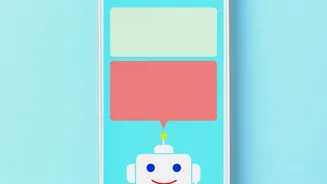
The most common complaint centres on the explosion of 'AI slop'—posts that sound polished but lack any real substance. Since generative AI tools became widely available, LinkedIn feeds have filled with generic leadership advice, formulaic success stories,
and templated posts that all sound vaguely the same. While AI can be a useful tool for refining ideas, many users are now employing it as a replacement for original thought, leading to a feed that feels inauthentic and repetitive. Some reports suggest a significant percentage of long-form posts on the platform are now AI-generated. In response, LinkedIn has started to take action, introducing a 'Seems like AI slop' reporting option and updating its algorithm to reduce the reach of content that lacks a clear human perspective. The platform's message seems to be that using AI as a writing assistant is fine, but using it to replace genuine insight will limit a post's visibility.
Is It Self-Promotion or Just Noise?
Alongside the AI debate is long-simmering fatigue with excessive self-promotion. While the platform is designed for professional branding, users are increasingly critical of what they perceive as 'cringeworthy' posts, humblebrags, and personal stories framed as profound business lessons. Viral posts on other platforms have mocked the trend of users congratulating themselves for mundane achievements or sharing over-the-top tales of corporate heroism. This content style, often associated with 'hustle culture', is seen by many as contributing to a noisy and often unusable feed, where genuine professional exchange is drowned out by personal marketing. The challenge for users and for LinkedIn itself is distinguishing between valuable personal branding that shares real expertise and self-aggrandizing content that adds little value to the professional conversation.
If It's So Bad, Why Is Everyone Still There?
This is the central paradox. Despite the vocal complaints, LinkedIn's growth continues unabated. The platform has surpassed 1.3 billion members, with revenue and user engagement time also on the rise. In the fourth quarter of fiscal 2026, time spent viewing feed content grew by over 15% year-over-year. The reason is simple: LinkedIn's core utility remains unmatched. It is the default digital resume, the primary tool for job seekers, and a critical network for B2B marketers and recruiters. For many professionals, having a presence on LinkedIn is non-negotiable for career development and industry networking, regardless of their feelings about the quality of the content in their feed. Its function as a professional identity and utility network appears to trump its flaws as a content platform.
Can the Algorithm Save the Conversation?
LinkedIn is aware of the trust problem. The company has acknowledged the issue of low-quality content and is deploying its own AI models to fight back. Recent algorithm changes are designed to suppress low-effort AI posts and favour content that signals real expertise and sparks meaningful conversation. Rather than simply rewarding likes and comments, the new system reportedly analyzes a user's history to better understand their professional expertise and recommend content based on relevance, not just popularity. The goal is to shift the platform away from being an 'engagement farm' and toward a hub for genuine knowledge sharing. This places LinkedIn at a crossroads: it must balance its own push to integrate AI tools for users while simultaneously penalizing the low-quality output those same tools can create, all in an effort to preserve the human-to-human trust that a professional network cannot afford to lose.