

1. The Bold Paint Coat
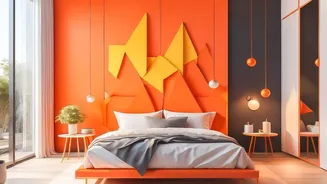
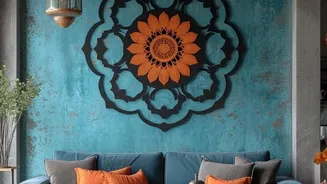
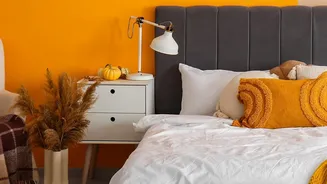
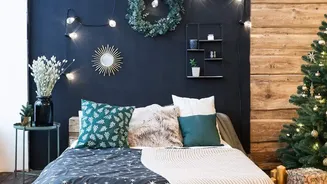
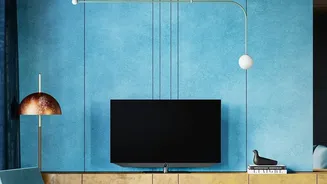
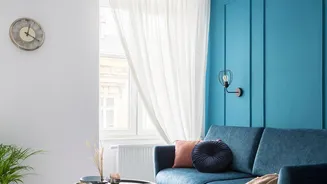
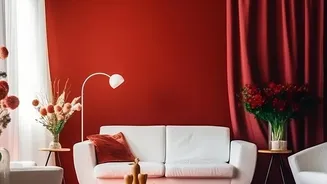
The simplest and most accessible accent wall is created with a single, bold coat of paint. This classic technique is effective because it instantly draws the eye and can dramatically alter the mood of a room. A deep navy or charcoal grey behind a sofa
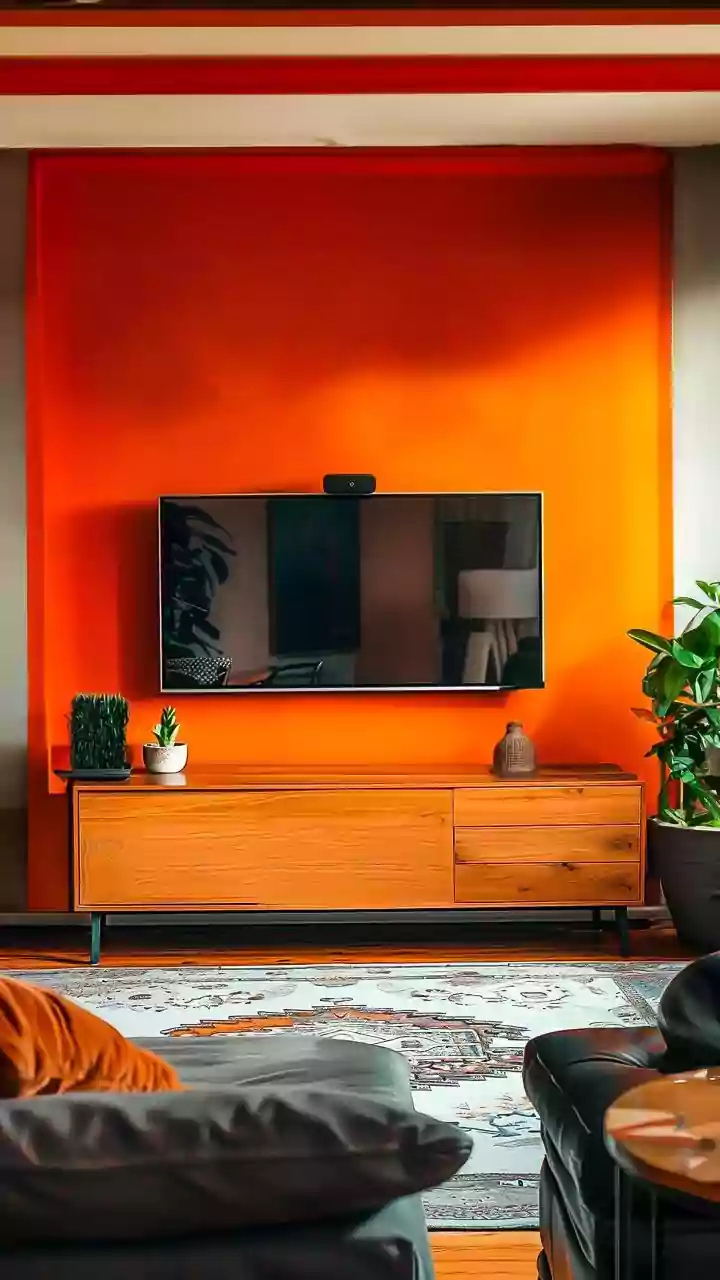
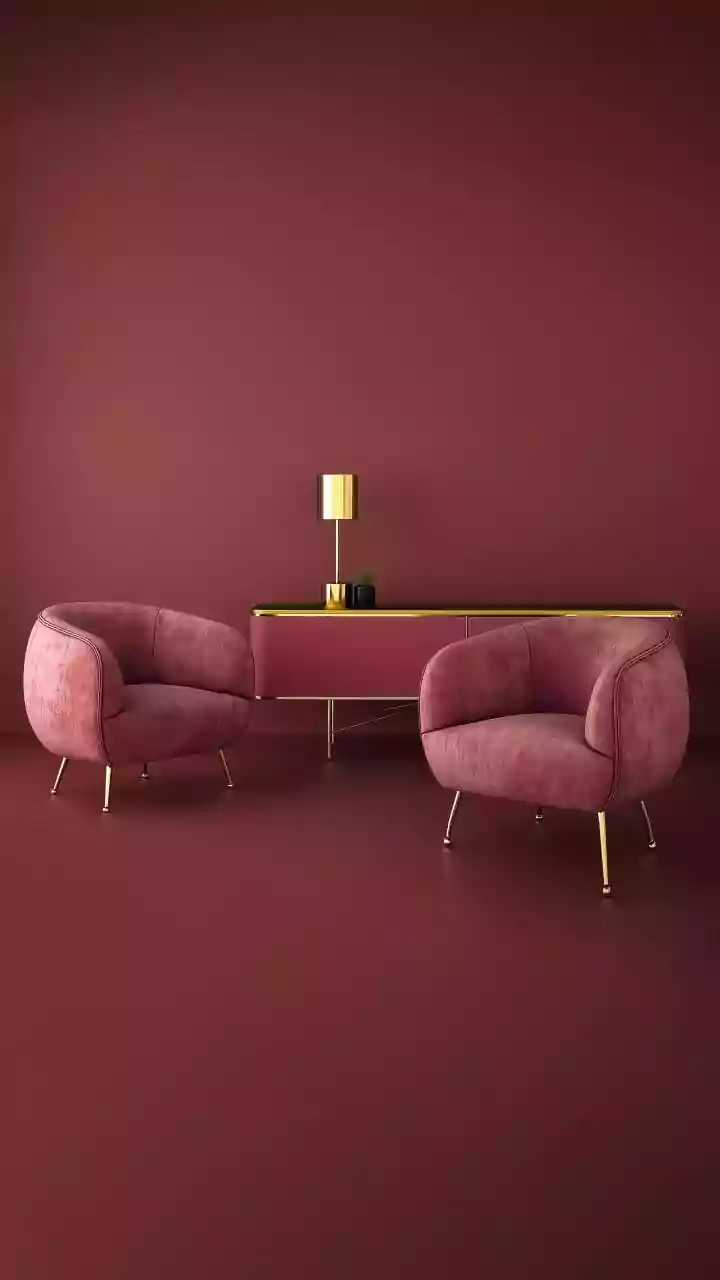
can create a cozy, dramatic anchor in a living room, while a vibrant, energetic colour might be perfect for a creative home office. The key to success is choosing the right wall—ideally a solid wall without too many windows or doors, such as the one behind your bed's headboard or a fireplace. For a cohesive look, keep the surrounding walls neutral to let the accent colour shine. You can then tie the room together by incorporating pops of the accent colour in throw pillows, artwork, or other decor. Don't be afraid to go with a dark, saturated hue; contrary to popular belief, a dark accent wall can often make a room feel larger and more sophisticated by adding depth.
2. The Wallpaper Statement
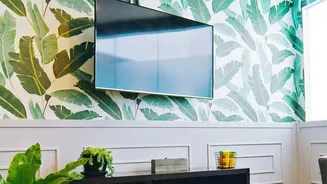
For those looking to introduce pattern and texture, wallpaper is an excellent choice. It has evolved far beyond the dated floral prints of the past, with modern options ranging from subtle geometric repeats to large-scale, artistic murals. A wallpapered accent wall can add a layer of luxury and personality that paint alone cannot achieve. When selecting a design, consider the room's function. A calming, nature-inspired pattern is ideal for a bedroom, while a bold, graphic print can energize a living room or entryway. The wall you choose should be a natural focal point, like the space behind a dining table or couch. If you're using a large mural, ensure it has enough 'breathing room' and isn't obscured by tall furniture. To maintain balance, pull colours from the wallpaper to use in the room's other furnishings and textiles.
3. Textural Wood Paneling
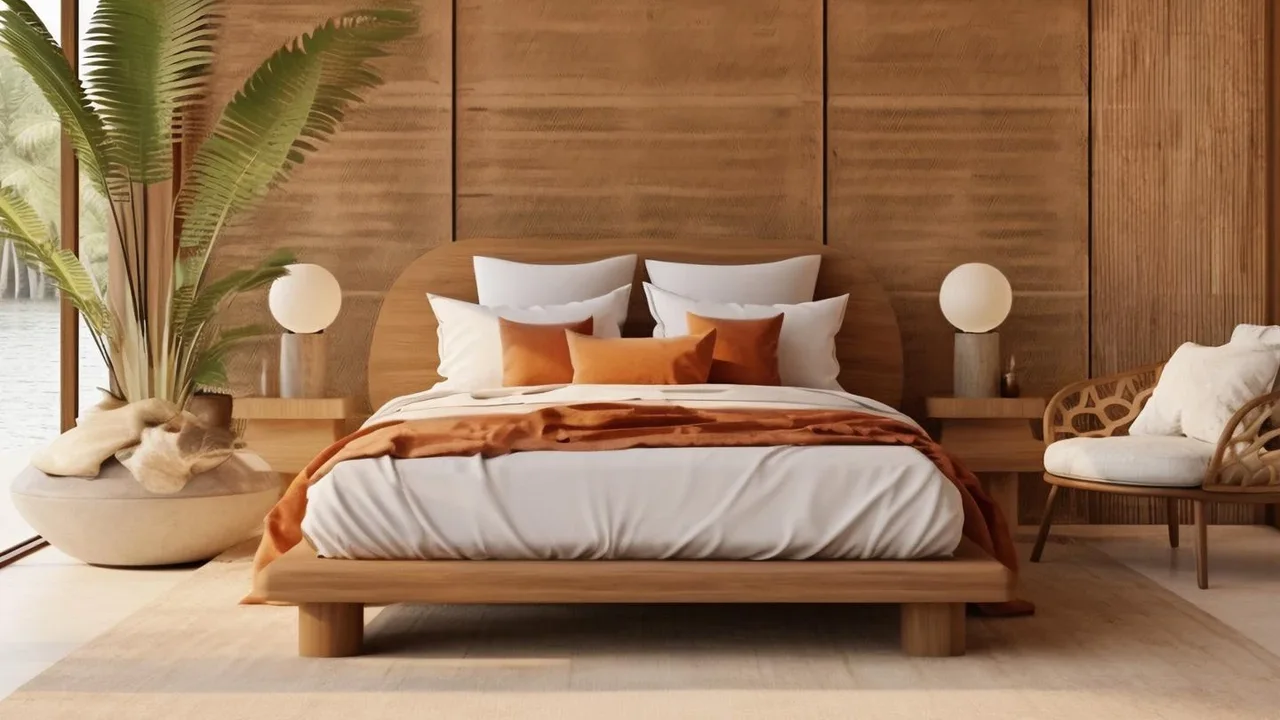
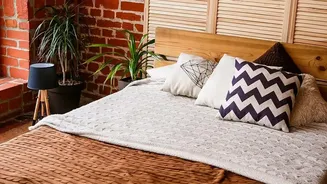
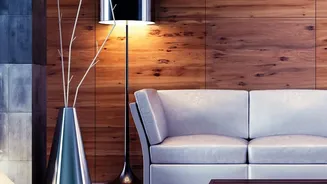
Wood accent walls bring natural warmth, texture, and a sense of architectural substance into a space. This treatment is incredibly versatile, with styles ranging from rustic reclaimed barn wood to sleek, modern vertical slats. Shiplap, with its clean horizontal lines, can create a coastal or modern farmhouse feel, while vertical slats can make a ceiling appear higher by drawing the eye upward. Geometric wood patterns, such as herringbone or chevron, introduce dynamic movement and work well as a sophisticated focal point. You don't have to cover the entire wall; sometimes, using wood panels to frame a media unit or create an extended headboard is even more effective. The natural grain and tone of woods like oak or walnut can provide a timeless, organic touch that complements both modern and traditional decor.
4. Elegant Wall Moulding
For a touch of classic elegance and architectural detail, wall moulding is a superb choice. Also known as picture frame moulding or box trim, this technique involves applying strips of trim (often made of wood or MDF) to a wall to create geometric patterns. The resulting squares or rectangles add depth and a sophisticated, traditional appearance. This style is particularly effective at adding character to builder-grade homes that may lack architectural interest. Typically, the entire wall, including the moulding, is painted a single colour. A deep, moody hue can make the geometric shadows pop, creating a dramatic effect, while a soft neutral offers a more subtle, textural look. This treatment works beautifully in dining rooms, bedrooms behind the headboard, or formal living spaces, lending an air of custom craftsmanship.
5. Traditional Wainscoting
Wainscoting is a specific type of wall panelling that covers only the lower portion of the wall, traditionally between the baseboard and a chair rail. This classic treatment has been used for centuries to protect walls and add a decorative, formal element to a room. It often consists of panels (such as beadboard or flat panels) framed by stiles and rails. While traditionally painted white or left as stained wood, modern interpretations often play with colour. Painting the wainscoting a bold, contrasting colour to the upper wall can create a contemporary and striking look. Conversely, painting it the same colour as the wall but in a different finish (e.g., satin on the wainscoting, matte on the wall) adds subtle texture. It’s an excellent choice for dining rooms, hallways, and bathrooms, adding a timeless and polished finish.