




What is Functional Strength?
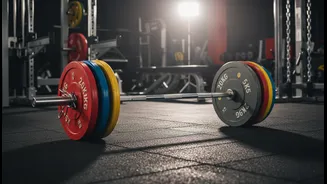
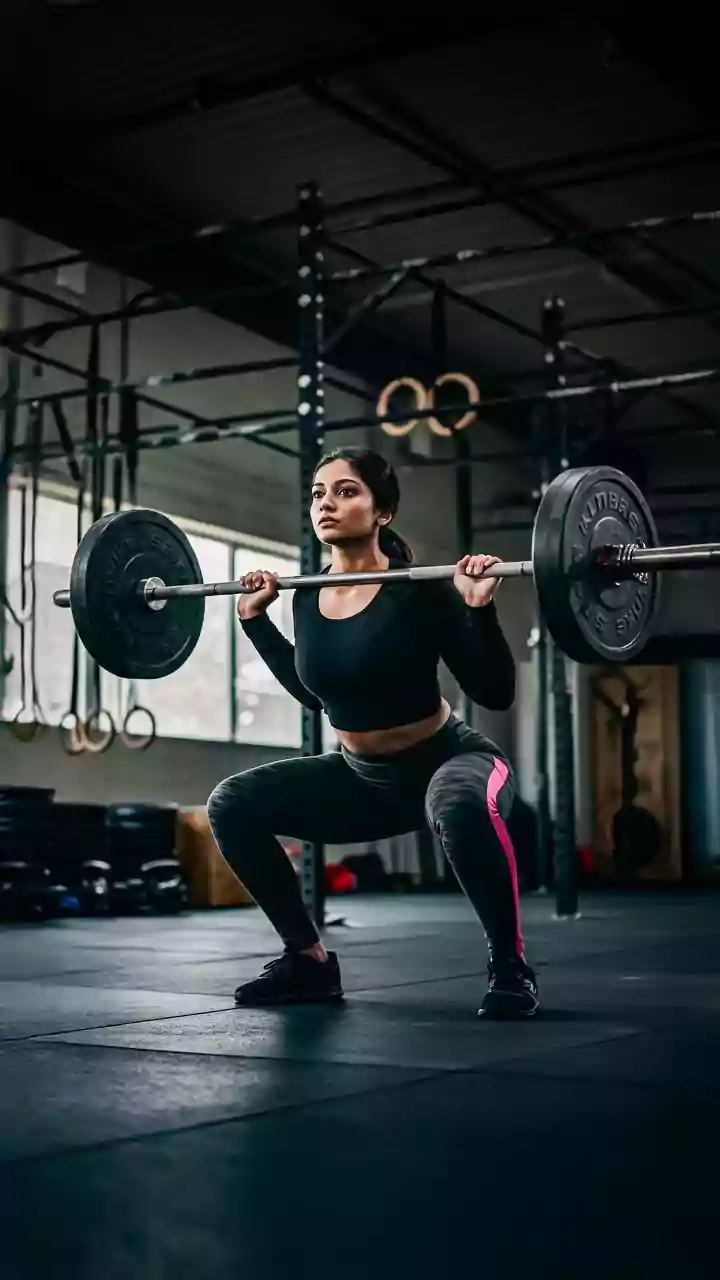
Functional strength training isn't about building the biggest muscles for show. Instead, it focuses on training your body for the activities you perform in daily life. Think about lifting a heavy suitcase, carrying groceries, picking up a child, or even
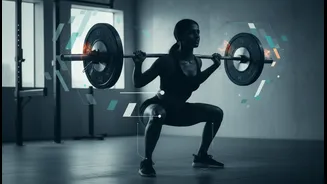
just getting up from a chair. These are all functional movements. Unlike traditional bodybuilding, which often isolates specific muscles, functional fitness uses compound exercises like squats, deadlifts, and overhead presses that engage multiple muscle groups and joints at once. The goal is to improve how your body works as an integrated system, building practical strength that translates directly to a better quality of life.
From Aesthetics to Real-World Ability
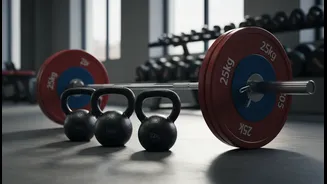
For decades, the fitness narrative for women often revolved around subtraction—getting smaller, losing weight, and endless cardio. The focus of functional strength training marks a significant psychological shift. It reframes the goal from looking a certain way to what your body can do. This focus on capability is incredibly empowering. When the metric for success is no longer the number on a scale but the ability to lift a heavier kettlebell or perform a pull-up, the relationship with exercise changes. It becomes about celebrating strength, resilience, and personal achievement, which is a powerful motivator for consistency.
Debunking the 'Bulky' Myth
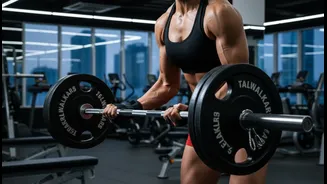
A long-standing myth has discouraged many women from lifting heavy weights: the fear of becoming “bulky” or “manly.” However, this is largely a misconception. Due to hormonal differences, particularly lower testosterone levels, it is significantly more difficult for women to build large, bulky muscles compared to men. Lifting heavy weights will more likely lead to a lean, strong, and defined physique rather than excessive muscle mass. The growing popularity of functional training, championed by fitness influencers and experts, has helped to dismantle this outdated fear, showing that strength training enhances, rather than diminishes, a woman’s physique.
The Tangible Health Benefits
The benefits of lifting heavy extend far beyond the gym. Strength training is crucial for women's long-term health. It significantly improves bone density, which is vital for preventing osteoporosis, a condition women are more susceptible to, especially after menopause. It also boosts metabolism by increasing muscle mass, which burns more calories at rest than fat does. Furthermore, building a strong core and supportive muscles through functional exercises helps improve posture, enhances balance, and dramatically reduces the risk of injury in everyday life. This makes daily tasks feel easier and builds a more resilient body for the long run.
Building Confidence and Community
The impact of lifting heavy is not just physical; it's profoundly mental and social. There is a unique confidence that comes from discovering your own strength. Mastering a difficult lift or seeing measurable progress in the weights you can handle builds self-esteem that carries over into all aspects of life. Moreover, the functional fitness movement has fostered a more inclusive and supportive gym culture. In India, this trend is reshaping fitness spaces, moving away from solitary treadmill sessions towards community-oriented workouts where the focus is on shared progress and mutual encouragement. This sense of community makes the gym a less intimidating place and encourages women to challenge themselves in a supportive environment.