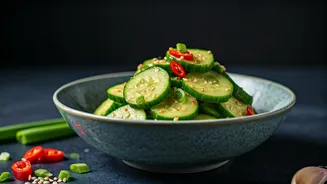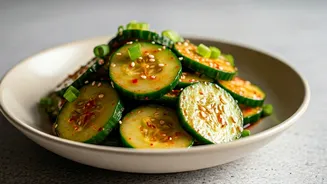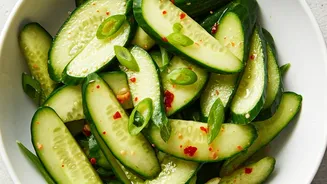







The Go-To Classic: Spicy Oi Muchim
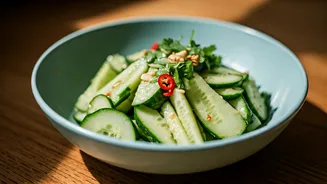
When you think of Korean cucumber salad, you're likely picturing Oi Muchim. This dish is the perfect entry point, balancing spicy, sweet, and tangy notes with the satisfying crunch of fresh cucumber. The secret lies in a simple, no-cook dressing that
comes together in minutes. The main flavouring agent is gochugaru (Korean red pepper flakes), which provides a vibrant colour and a smoky, fruity heat that's less sharp than other chilli flakes. Combined with toasted sesame oil, a splash of rice vinegar, garlic, and a hint of sugar, the result is an incredibly addictive side dish. You can use various thin-skinned cucumbers like Persian, English, or Kirby. The key is to slice them, salt them for about 15-20 minutes to draw out excess water, and then mix with the dressing. This process ensures the cucumbers stay crisp and don't create a watery salad.
The Weekend Project: Oi Sobagi (Stuffed Cucumber Kimchi)
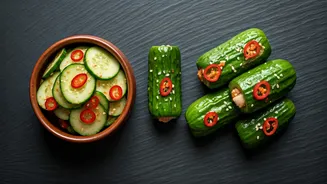
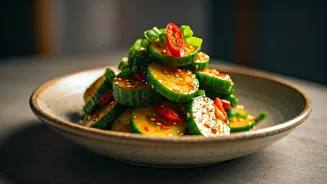
If you're ready to level up your kimchi game, Oi Sobagi is a visually stunning and delicious project. Unlike the quick-tossed Oi Muchim, this is a proper kimchi. It involves cutting cucumbers into quarters, leaving one end intact, brining them in salt, and then stuffing them with a flavourful paste. The filling is typically a vibrant mix of gochugaru, fish sauce, garlic, ginger, and finely sliced vegetables like Asian chives (buchu) and carrots. While it requires more effort, the result is a deeply flavourful, crunchy, and tangy ferment. You can eat it fresh for a crisp, spicy taste, but its complexity grows after a day or two of fermenting at room temperature before being moved to the fridge. This dish is a summertime favourite in Korea when cucumbers are at their peak. Don't be intimidated; the process is straightforward and the payoff is a homemade kimchi that is incredibly rewarding.
The Refreshing Alternative: Non-Spicy Cucumber Salad
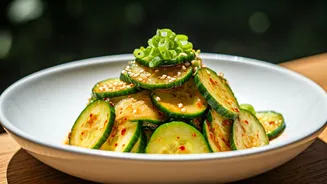
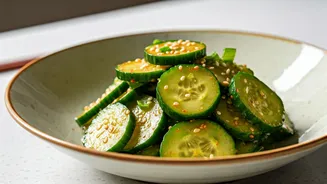
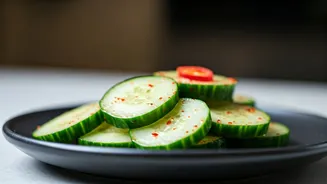
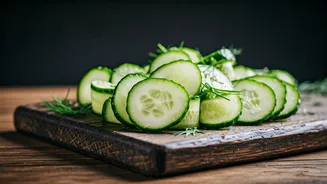
Not everyone wants the heat, and Korean cuisine offers plenty of non-spicy (or mild) cucumber preparations that are just as delicious. These versions focus on the savoury, tangy, and refreshing aspects of the vegetable. One popular style involves salting the cucumber slices to make them crunchy, then dressing them with a simple mixture of rice vinegar, sugar (or maple syrup), minced garlic, and toasted sesame oil. This creates a light, crisp pickle-like salad that is incredibly refreshing. Another non-spicy variation is a stir-fried side dish, known as Oi Namul. After salting and squeezing the cucumbers to remove moisture, they are quickly stir-fried with a little oil, garlic, and finished with sesame oil and seeds. This cooked version offers a different texture—still crunchy but also tender—and a warm, nutty flavour. These options prove that you don't need chilli to get big flavour from Korean cucumbers.
Tips for Perfect Korean Cucumbers
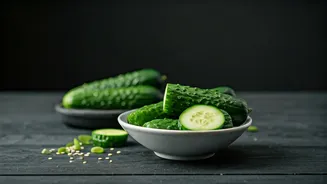
Regardless of which recipe you choose, a few key techniques will ensure success. First, choose the right cucumber. Thin-skinned, less seedy varieties like Persian, Kirby, or English cucumbers are ideal because they're crunchier and less watery. The most crucial step for raw preparations is salting. Sprinkling salt on your sliced cucumbers and letting them sit for 15-30 minutes draws out excess moisture. This step is vital to prevent a soggy dish and helps the dressing cling to the cucumbers. After salting, you can either rinse the cucumbers if they are too salty or simply drain the liquid that has been released. Finally, don't be afraid to adjust seasonings to your taste. The beauty of these recipes is their flexibility. You can add more gochugaru for extra spice, a little more sugar for sweetness, or a bigger splash of vinegar for a tangier finish.