





The Universe in Your Backyard
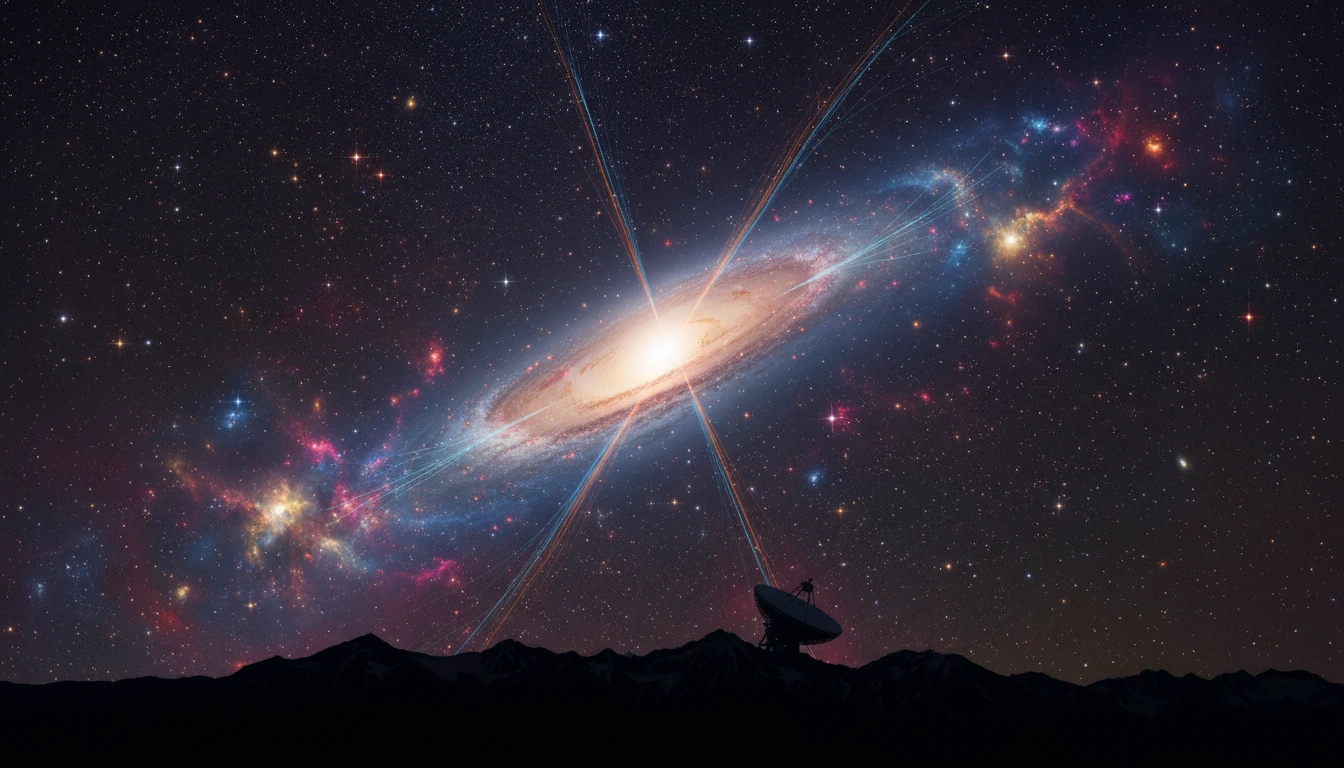
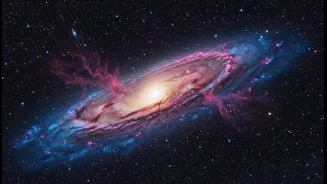
Modern telescopes are generating data on a scale previously unimaginable, capturing images of hundreds of millions of galaxies. Processing this cosmic flood is impossible for professional astronomers alone. This is where citizen science comes in. It invites
anyone with a computer and an interest in the cosmos to participate in real scientific research. Projects like the globally renowned Galaxy Zoo and India's own RAD@home Astronomy Collaboratory empower enthusiasts to classify galaxies, spot anomalies, and analyse data from world-class instruments like the Giant Metrewave Radio Telescope (GMRT). Participants, often with no formal training, learn to identify galactic shapes, search for supernova remnants, and contribute to our understanding of how galaxies and black holes evolve.
Sikkim’s Unique Celestial Theatre
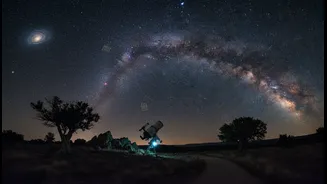
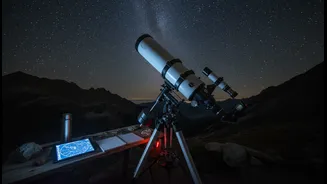
While major citizen science projects are often digitally distributed, the physical location of observers can offer unique advantages. Regions like Sikkim, with high-altitude terrain and minimal light pollution, are natural observatories. Much like astro-tourism initiatives in Ladakh which leverage pristine night skies, Sikkim presents a perfect environment for fostering astronomical curiosity and observation. The state has already shown a commitment to science popularisation through its science centre and planetarium initiatives. The connection is more than just theoretical; students from Sikkim have already participated in national-level citizen science research with projects like RAD@home, directly linking the region to the frontiers of astronomical discovery. This creates a fertile ground for nurturing a new generation of observers who can contribute a unique perspective, far from the light-drenched skies of major cities.
The Irreplaceable Human Brain
One might assume that powerful AI algorithms would have made human observers redundant. While AI is incredibly effective at routine classification tasks, it has a significant blind spot: the unexpected. Algorithms are trained on known patterns, but human brains excel at recognizing novelty, subtlety, and strangeness. A classic example is Hanny's Voorwerp, a unique celestial object discovered by a Dutch schoolteacher in 2007 that had been overlooked by automated surveys. More recently, in a discovery published in 2026, a volunteer with India's RAD@home network identified a 'Bow-and-Arrow-shaped Radio Galaxy' (BAARG). An automated system had previously catalogued the object as an ordinary galaxy, completely missing its highly unusual structure. This discovery perfectly illustrates that the human ability to spot something that 'just looks weird' is a crucial part of the discovery process, especially for faint or rare phenomena that don't fit neat categories.
Beyond the Data Points
The value of citizen science extends far beyond finding new galaxies. These initiatives are a powerful tool for improving scientific literacy and democratising access to research. When people in communities like those in Sikkim participate in scientific discovery, it fosters a deeper connection to science and technology. It demystifies the research process and inspires young people to pursue careers in STEM fields. Furthermore, it empowers local communities, giving them a stake in a global scientific enterprise. This shared knowledge builds a more informed and engaged public, which is critical for supporting scientific endeavours. By transforming a hobby into a meaningful contribution, citizen science makes the vast universe feel a little closer to home, creating a network of passionate advocates for discovery across the country.