





A Tale of Two Monsoons
India's monsoon season is rarely uniform, but 2026 has been particularly patchy. After a significant deficit in June, July brought a sharp recovery, narrowing the gap. However, this national average hides a worrying reality. As of early August, the cumulative
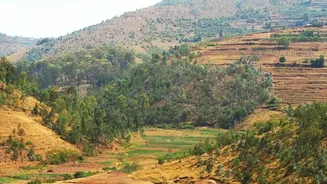
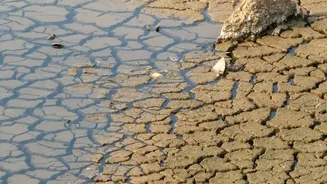
rainfall deficit for the country stood at around 12-13%. More concerning is the regional disparity: while parts of western and central India have seen normal to excess rain, causing floods in some areas, the story is starkly different elsewhere. Large swathes of the Indo-Gangetic plains, the Northeast, and southern peninsular states continue to face significant deficits. States like Bihar, Jharkhand, Karnataka, and Kerala are lagging well behind their normal rainfall levels. Experts warn that looking only at the all-India number is misleading; the real story is in the districts, where many key agricultural belts are dry.
Kharif Sowing Under a Cloud
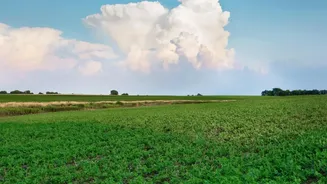
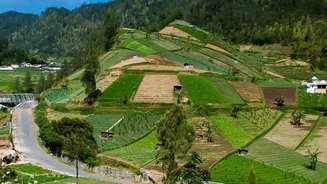
This erratic rainfall has arrived during the critical Kharif sowing season. As of mid-August, total sowing across the country was trailing last year's figures by about 2%. While a late surge in July helped farmers catch up, key crops remain a concern. Paddy, the main Kharif crop, saw its acreage decline by over 3.6% compared to the previous year. The sowing of pulses, coarse cereals, and oilseeds also shows a mixed and worrying trend. The initial dry spell in June delayed sowing in many rain-fed areas, and the subsequent uneven rains have created moisture stress for the crops that have been planted. An intensifying El Niño is blamed for weakening the monsoon circulation and is expected to keep rainfall below normal in August, a crucial month for crop growth.
From Paddies to Pulses: Which Crops Are at Risk?
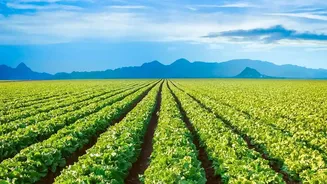
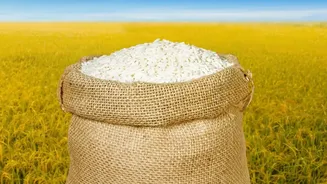
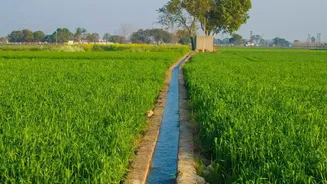
The impact is not uniform across all crops. Rice is a primary concern, with acreage down, particularly as 40 of the top 50 rice-producing districts are reporting rainfall deficits. While irrigation can provide a buffer in states like Punjab and Haryana, many other regions are heavily dependent on rain. Pulses like tur (arhar) and moong, along with oilseeds like soybean, are also facing pressure. Sowing for these crops has been below last year's levels. Experts note that for crops like soybean, continued moisture stress through late August could severely impact flowering and pod formation, directly hitting yields. Even 'normal on paper' states like Maharashtra and Madhya Pradesh have experienced long dry spells within the season, which is more damaging for crops than a cumulative deficit might suggest.
The Ripple Effect on Your Wallet
A shortfall in agricultural production inevitably translates to higher prices for consumers. The Reserve Bank of India has already warned that an erratic monsoon could fuel food inflation. Economists are forecasting food inflation to climb, with some estimates suggesting it could reach 8% in August and September. Recent data already shows an upward trend in wholesale food prices, which rose to 6.65% in July. Retail inflation also ticked up in July, driven primarily by rising food costs. Items like pulses, vegetables, and cereals are most susceptible to price hikes if the harvest is poor. Lower farm output not only affects food prices but also dampens rural demand, which can have a cascading effect on the broader economy.
What Happens Next?
All eyes are now on the remainder of the monsoon season. A revival in rainfall in the latter half of August and September could still salvage some crops, but signs of the monsoon's withdrawal are already beginning to appear in northwest India. The government has pointed to its substantial food and grain buffers as a key defense against food shocks. Proactive measures, including district-level coordination with farmers and potential strategic imports, are part of the contingency plan. However, with reservoirs in southern India at low levels, concerns are already mounting for the upcoming Rabi (winter) crop season, which depends on water stored during the monsoon. For now, the fate of the Kharif harvest—and the direction of food prices—hangs in the balance, depending entirely on how the monsoon behaves in the coming weeks.