


The Inherent Comfort of the Curve
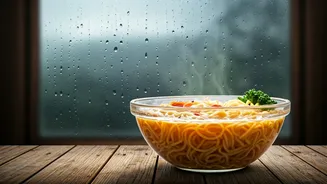
There's a reason we reach for a bowl when we seek comfort. Psychologically, a bowl feels like a hug for your food. It’s easier to cradle in your lap while curled up on the sofa, watching the rain lash against the window. The high sides keep heat trapped
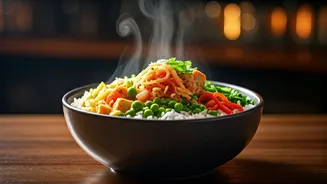
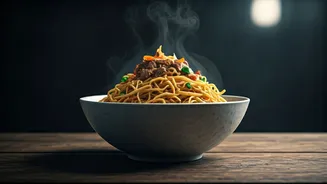
longer, ensuring every spoonful of that soupy noodle dish or rich curry remains warm. Unlike a flat plate, which separates elements, a bowl encourages them to mingle. The sauce seeps into the rice, the vegetables nestle against the protein—every bite becomes a harmonious mix. This inherent functionality makes the bowl the perfect vessel for monsoon food, which is all about warmth, wholesomeness, and an escape from the damp chill outside.
Moving Beyond Dal and Rice
For generations, the ultimate Indian bowl meal has been a simple, soul-satisfying combination like dal-chawal, rajma-chawal, or kadhi-chawal. These dishes are classics for a reason—they are the taste of home. But the current trend isn't about replacing them. Instead, it’s about expanding the very definition of what a bowl meal can be. The new wave of bowl food is more complex, textured, and often incorporates a wider variety of ingredients. Think of it as an evolution. We're taking the comfort of the classic one-bowl meal and infusing it with new ideas, ingredients, and nutritional balance, transforming it from a simple staple into a thoughtful, composed dish.
An Indian Take on a Global Trend
The rise of the bowl isn't happening in a vacuum. It’s part of a global phenomenon that includes everything from Hawaiian poké bowls to Korean bibimbap and the ubiquitous 'Buddha bowl'. This format, which typically involves a grain base, various vegetables, a protein, and a flavourful sauce, has been celebrated for its health benefits and customisability. Indian chefs and home cooks are now brilliantly adapting this global template to our own culinary landscape. Instead of quinoa, we're seeing bowls built on millets, black rice, or red rice. In place of tahini dressing, you might find a makhani gravy, a tangy rasam, or a coconut-based curry. It’s a delicious cultural exchange happening right in our kitchens.
A Canvas for Culinary Creativity
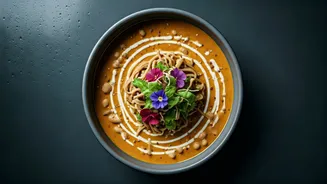
For chefs, the bowl is a canvas. It offers a unique opportunity to play with layers, colours, and textures in a way a traditional thali does not. A well-constructed bowl meal is a journey of textures. You might have the soft, yielding base of a khichdi, topped with the bite of spiced vegetables, the substance of a paneer or chicken tikka, and finished with the crunch of roasted seeds, fried onions, or crispy boondi. This textural contrast makes each bite more interesting and satisfying. It allows for deconstructed versions of classic dishes—like a biryani bowl with the rice, meat, and masala layered visually—or entirely new creations that pay homage to traditional flavours while presenting them in a modern, convenient format.
So, Is It Really 'Better'?
The word 'better' can be subjective, but in this context, it points to a few key improvements. First, these modern bowl meals are often more nutritionally balanced, consciously including a protein, a complex carb, healthy fats, and plenty of vegetables in one go. Second, they are arguably more interesting to eat due to the focus on textural variety. Third, they align perfectly with modern, fast-paced lifestyles, offering a complete, satisfying meal without the fuss of multiple dishes and containers. It’s not about declaring war on the traditional thali, which remains an unparalleled feast. Rather, the rise of the bowl is about offering a compelling, convenient, and creative alternative that feels perfectly suited to the way we want to eat right now—especially when the sky turns grey.