





The 10-Minute Delivery Revolution
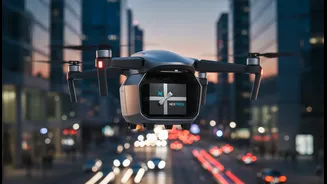
Welcome to the world of quick commerce, or q-commerce, an industry that has exploded in India and is now worth billions. Platforms like Blinkit, Zepto, and Swiggy Instamart have made delivering goods in under 30 minutes the new normal for urban consumers.
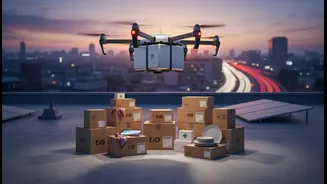
The engine behind this speed is a network of 'dark stores'. These are not shops you can walk into, but small, strategically located warehouses packed with thousands of popular items. Each dark store serves a radius of just a few kilometres, allowing a delivery partner to pick, pack, and deliver an order with incredible speed, often in less time than it takes to find your keys and walk to the local kirana store. This model, fueled by India's high population density and relatively low labour costs, has made the country a global leader in q-commerce adoption.
Your Brain on Instant Gratification
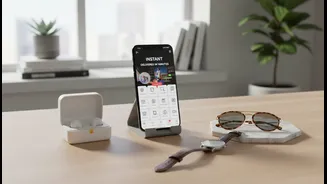
This unprecedented convenience has a powerful psychological side effect: it fuels impulse spending. When the friction between desire and fulfillment is reduced to just a few minutes, our brains are more likely to act on impulse rather than planning. Q-commerce apps are designed to encourage this behaviour through a seamless user experience, timely promotions, and algorithm-driven recommendations. The desire for instant gratification is a core human trait, and these platforms satisfy it perfectly. This transforms shopping from a 'plan-and-execute' activity to a 'feel-and-react' one, where emotional triggers like stress, boredom, or a sudden craving can lead to an unplanned purchase. Studies show that a majority of q-commerce users report a significant increase in unplanned purchases after they start using these services.
A New Lifeline for Small Businesses
While the headlines often focus on consumers and big platforms, the quick commerce boom is also creating a powerful new sales channel for small and emerging businesses. Traditionally, a startup brand would need a huge investment in distribution to get its products into stores across multiple cities. Now, they can partner with platforms like Blinkit or Zepto to get instant access to a massive urban customer base. This has been a game-changer for D2C (direct-to-consumer) brands, gourmet food makers, health and wellness companies, and FMCG startups. These platforms have become digital launchpads, allowing new brands to test products, find an audience, and scale far more quickly than traditional retail would ever allow.
Crafting the Impulse-Ready Menu
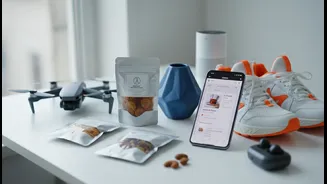
The most successful small businesses on these platforms understand the impulse-driven nature of the q-commerce shopper. They are not just listing individual products; they are creating a new 'menu' of opportunities. This includes designing special combo packs, smaller-sized product versions (SKUs) tailored for quick consumption, and curated bundles. For example, a healthy snack brand might bundle several products for a 'movie night' package, or an ice cream company can lean into the late-night dessert craving that is often an impulse decision. By aligning their offerings with the spontaneous needs and desires of the instant delivery consumer, these brands are capturing a new and lucrative stream of revenue that exists almost entirely within this fast-paced digital ecosystem.