


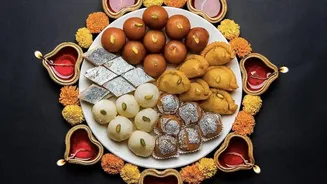
The Sweet Call of Tradition
For generations, mithai has been the undisputed heart of Indian festivities. A box of laddoos, kaju katli, or gulab jamun is not just a sweet treat; it is a powerful symbol of celebration, goodwill, and cultural heritage. Offering mithai during festivals
like Diwali is deeply woven into the fabric of social customs and puja rituals. This emotional connection is its greatest strength. Many still prefer the authenticity and taste of freshly made local sweets, supporting neighbourhood shops that have served their communities for decades. However, tradition now contends with modern concerns. The primary drawbacks of mithai are its short shelf life, especially for milk-based sweets, and a growing perception of it being an unhealthy indulgence due to high sugar and fat content.
The Convenient Allure of Chocolates
Chocolates have firmly established themselves as a formidable alternative to traditional sweets. Their rise began decades ago and has accelerated with premium and artisanal brands entering the market. The appeal of chocolate is multi-faceted: it boasts a much longer shelf life, making it a practical choice for shipping to relatives in other cities or for corporate gifting. Elegant packaging and the 'unboxing' experience add a touch of modern luxury that appeals especially to younger millennials and Gen Z. For many, a box of assorted chocolates is a safe, contemporary, and stylish bet. While some may find it less personal than mithai, brands are increasingly offering fusions and customisations to bridge this gap. The corporate world, in particular, often leans towards chocolates for their consistent quality and scalability for large orders.
The Thoughtful Rise of Healthy Hampers
In recent years, a third contender has gained significant ground: the dry fruit and wellness hamper. Driven by a collective shift towards health consciousness, more people are gifting and hoping to receive presents that align with a healthier lifestyle. Hampers filled with premium almonds, cashews, dates, and walnuts are seen as thoughtful, practical, and sophisticated. They are an ideal gift for elders, health-aware friends, or anyone managing dietary restrictions like diabetes. These gifts are not just about avoiding sugar; they are about 'permissible indulgence' and showing you care about the recipient's well-being. This category has also expanded to include other healthy items like herbal teas, seeds, and millet-based snacks, often presented in sustainable, reusable packaging that adds to their premium feel. The primary consideration here can be the higher price point compared to a simple box of sweets.
Making the Perfect Choice
So, how do families actually decide? The choice is rarely about one option being definitively 'better' than the others. Instead, it is becoming more segmented and intentional. The decision often comes down to the recipient. For close family, elders, or for puja, traditional mithai often remains the first choice due to its deep cultural significance. For friends, colleagues, and younger relatives, a chic box of chocolates might feel more appropriate. A dry fruit hamper is often reserved for those you know are health-conscious or as a premium corporate gift. Budget, convenience, and presentation also play key roles. Increasingly, the trend is moving towards combination hampers that offer a little of everything—a few pieces of mithai for tradition, some chocolates for the kids, and a selection of dry fruits for a healthy touch. This 'best of all worlds' approach seems to be the new solution to the age-old festive dilemma.