





Your Body's Internal Clock
Everyone operates on a 24-hour internal clock known as a circadian rhythm, which governs our sleep-wake cycles. Your chronotype is the natural expression of this rhythm. If you feel most active and alert in the morning and prefer to go to bed early, you're
likely a 'morning lark' or early chronotype. If you hit your stride in the evening and stay up late, you're a 'night owl' or late chronotype. Most people fall somewhere in between, but this internal preference is a fundamental part of our biology, influencing everything from hormone release to body temperature and, as studies now show, even our digestion.
The Sleep-Gut Connection
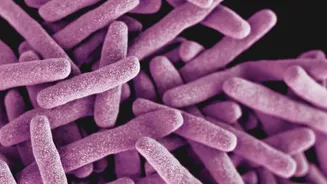
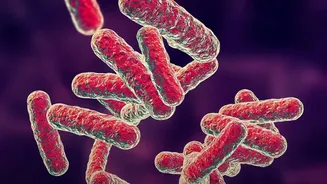
A recent study published in the journal iScience has shed new light on the relationship between our body clocks and our gut health. Researchers found that individuals with late chronotypes, particularly those who also ate their meals late, had lower levels of certain beneficial bacteria in their gut. Specifically, late chronotypes showed a reduction in bacteria like Akkermansia and those from the Oscillospiraceae and Christensenellaceae families. This finding points to a potential pathway connecting sleep timing, gut health, and broader metabolic issues, as these microbes play a crucial role in our well-being.
Why These Bacteria Matter
The bacteria in our gut do more than just help with digestion; they are essential for regulating metabolism, supporting the immune system, and maintaining the integrity of our gut lining. Some of the bacteria found to be less abundant in night owls are known for producing short-chain fatty acids (SCFAs), such as butyrate. SCFAs are vital compounds that provide energy to colon cells, help reduce inflammation, and strengthen the gut barrier. A deficiency in these bacteria could, as the research suggests, be linked to a 'leaky gut', where the intestinal barrier is compromised, potentially allowing harmful substances to enter the bloodstream and trigger inflammation.
It's Not Just About Sleep
While the headline focuses on sleep timing, the full picture is more complex. The study and related research highlight that it's likely not just the late bedtime itself, but the lifestyle patterns associated with it. Late chronotypes are often more prone to what's called 'social jetlag', where their sleep schedule on weekends is drastically different from workdays. Studies have also shown that night owls tend to have different dietary habits, including skipping breakfast, eating later in the day, and consuming fewer fruits and nuts and more sugary drinks. These dietary choices have a powerful influence on which bacteria thrive in the gut, suggesting that the link between chronotype and gut health is closely tied to diet.
How to Support Your Gut, No Matter Your Chronotype
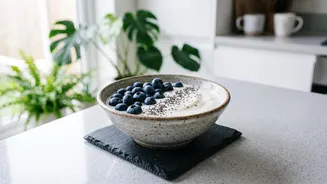
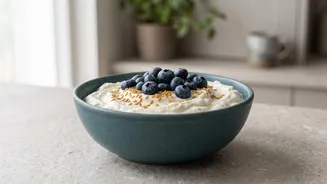
The good news is that your gut microbiome is adaptable. You don't necessarily have to fight your natural sleep rhythm to improve your gut health. Instead, focus on gut-supportive habits. Prioritise a diet rich in fibre from diverse sources like fruits, vegetables, and whole grains. These foods act as prebiotics, which are essentially food for your beneficial gut microbes. Incorporating fermented foods like yogurt, kefir, kimchi, and sauerkraut can also introduce probiotics, or live beneficial bacteria, into your system. Regardless of when you eat, focusing on the quality of your food can make a significant difference in fostering a healthy and diverse gut ecosystem.