


The Rise of Organic Modernism
The trend of pairing minimalist aesthetics with natural elements is part of a larger movement called Organic Modern. This style blends the clean lines and simplicity of modern design with the warmth and texture of natural materials. [1] The goal is to
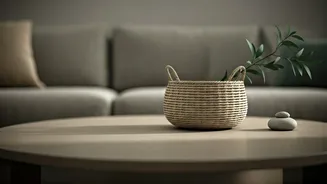
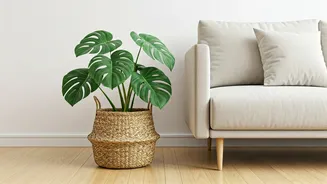
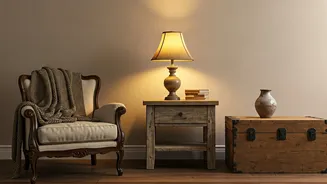
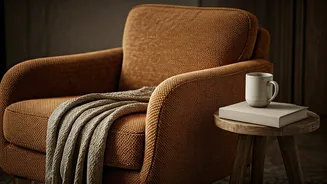
create a space that feels both serene and inviting, structured yet soft. [1] It moves away from the cold, sterile feeling that can sometimes accompany minimalism and instead fosters a calming, grounded atmosphere connected to nature. [3, 7] The colour palette leans into warm, earthy neutrals like cream, beige, soft grey, and terracotta, which complement natural materials beautifully. [1, 3] A seagrass basket planter is a quintessential element of this style, perfectly embodying the fusion of natural texture and simple form.
Why Seagrass Baskets Are the Perfect Fit
Seagrass, with its handwoven texture and natural golden-to-green tones, provides a perfect visual counterpoint to the smooth surfaces and sharp angles of a minimalist room. [9, 21] Texture is a powerful tool in interior design; it adds depth and visual interest without creating clutter. [18] While minimalism focuses on reducing distractions, natural textures like seagrass or jute introduce a sensory warmth that makes a space feel more inviting and complete. [11] A woven basket breaks up the monotony of flat surfaces, adding a layer of authenticity and character that synthetic materials often lack. [9] This simple addition can make a room feel more layered and intentional, transforming it from merely clean to truly comforting. [18, 11]
Choosing Your Ideal Basket Planter
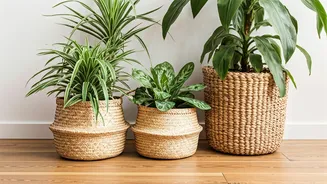
When selecting a seagrass basket, consider its size, shape, and weave. The basket should be slightly larger than the pot of the plant it will hold to ensure good air circulation. [16] For a cohesive look, you might choose baskets of varying sizes but similar shapes to create a grouping. [17] Many seagrass baskets designed as planters come with a built-in plastic liner, which is essential for protecting the natural fibres from water damage. [16, 21] If your chosen basket doesn't have a liner, you can easily add one yourself. A simple plastic garbage bag with a few drainage slits or a piece of landscaping fabric will work well to hold in soil and moisture while protecting the basket and your floor. [20]
The Best Plants for Basket Planters
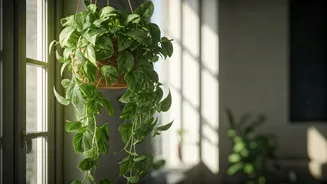
The right plant will complete the look. Trailing plants are especially effective, as their cascading vines soften the edges of the basket and add a dynamic, living element to the room. Excellent low-maintenance choices for indoor baskets include the Golden Pothos, Heartleaf Philodendron, and Spider Plant. [10, 13] These are famously hardy and tolerate a range of light conditions. [10] For a touch of lushness, a Boston Fern offers feathery fronds, though it prefers a bit more humidity. [2, 13] If you have a bright spot, the unique, trailing String of Nickels or String of Pearls can make a stunning statement. [13, 12] Ultimately, choose a plant that suits the light conditions of your space and your comfort level with plant care.
Styling for Maximum Impact
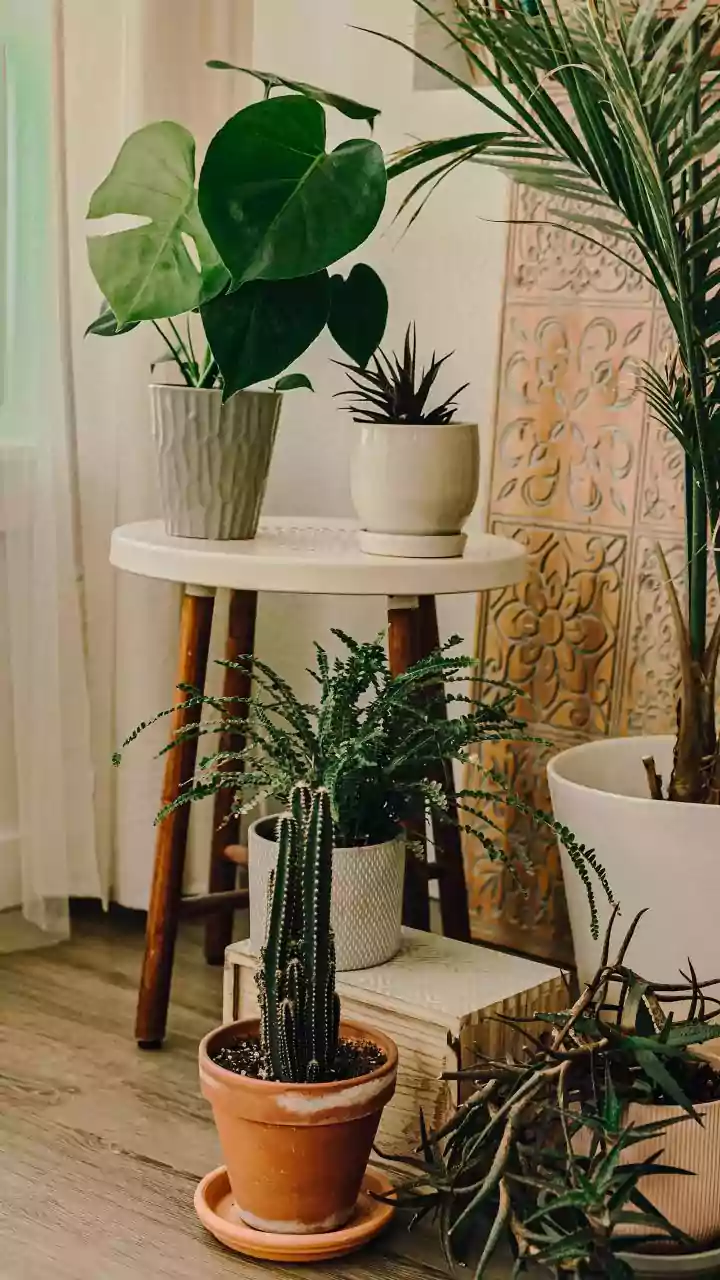
How you place your basket planter matters. A single, large basket with a statement plant can serve as a focal point in an empty corner or next to a sofa. [6] Alternatively, grouping three baskets of varying heights can create a beautiful, layered display near a window or by an entryway console. [17] Don't be afraid to give your plant some height; placing a basket on a small stool or a stack of hardcover books can elevate its presence in the room. [15] If your basket is deep, you can add filler like crumpled paper or packing peanuts to the bottom to raise a smaller plant to the desired height before covering the top with moss for a polished look. [6]
Practical Care and Considerations
Using a basket as a planter—technically, a pot cover—is straightforward. Always keep your plant in its original nursery pot with drainage holes. When it's time to water, it's best to remove the nursery pot from the basket, water it thoroughly in a sink or bathtub, and allow it to drain completely before placing it back inside the seagrass basket. This prevents water from pooling at the bottom, which can lead to root rot and damage the natural fibres of the basket over time. Regularly dusting the basket with a soft cloth or a vacuum brush attachment will keep it looking fresh. With these simple steps, your seagrass planter will remain a beautiful and healthy addition to your home for years to come.