



Success in the Shade
Growing herbs indoors is a rewarding way to bring greenery and fresh flavours into your home. However, many guides assume you have access to a south-facing window with six to eight hours of direct sun. For many, that's simply not the reality. The good
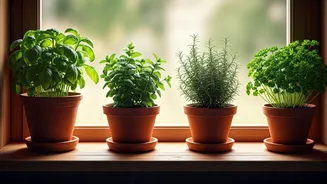
news is that several herbs don't just tolerate, but can actually do quite well in, lower light conditions. These plants have often evolved to grow in partial shade, making them more adaptable to an indoor environment. While low light will naturally mean slower growth compared to their outdoor counterparts, the flavour and satisfaction are well worth it. To get started, you'll want a quality potting mix designed for indoor plants, which ensures good drainage and aeration. Most herbs thrive in soil with a pH between 6.0 and 7.0. Ensure your pots have drainage holes, as waterlogged soil is the fastest way to kill an indoor herb. A good rule of thumb is to water when the top inch of soil feels dry.
1. Mint (Mentha species)
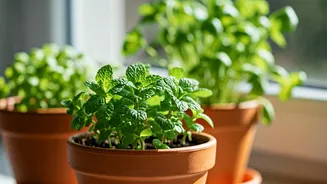
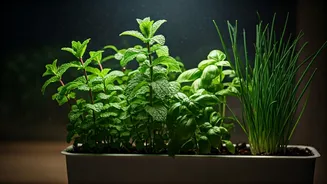
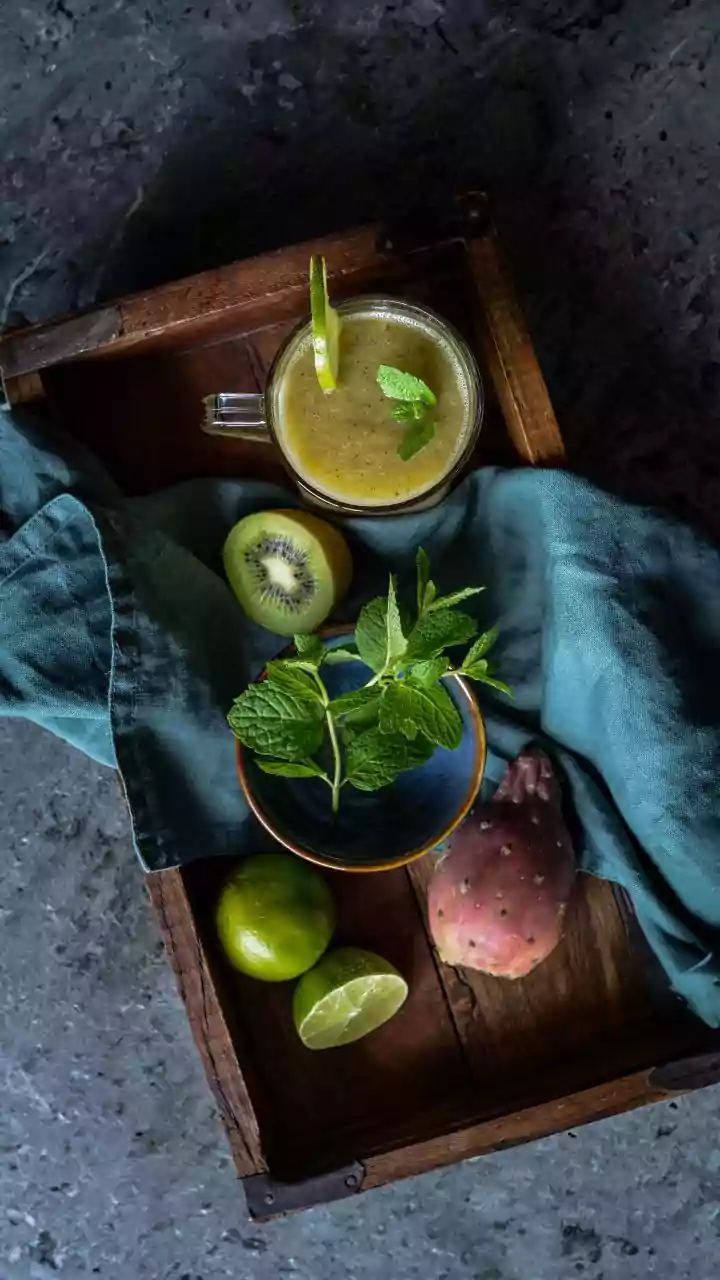
Mint is famous for being one of the easiest, most forgiving herbs, and its tolerance for shade is a big part of that. In gardens, it often spreads happily in the shade of taller plants. Indoors, varieties like spearmint, peppermint, and even chocolate mint will manage well in a window with bright, indirect light. Their broad leaves are efficient at capturing what light is available. Mint prefers consistently moist soil, so don't let it dry out completely. Its biggest quirk is its aggressive growth; it sends out runners and will quickly take over any shared space. For this reason, it's essential to give mint its own pot. Regular harvesting is key—not only does it give you leaves for teas and garnishes, but it also encourages the plant to become bushier and more compact rather than tall and leggy.
2. Parsley (Petroselinum crispum)
Whether you prefer the frilly curly type or the robust flat-leaf Italian variety, parsley is an excellent candidate for a lower-light windowsill. While it does best with plenty of sun, it is known to tolerate light shade. When grown indoors with less light, the plant might become a bit taller and more spindly as it reaches for the sun, but the flavour remains excellent for soups, sauces, and garnishes. Parsley has a long taproot, which means it doesn't love being transplanted. It's often best to start it from seed in the pot you intend to keep it in. It appreciates rich, well-draining soil and consistent moisture. Harvest the outer stalks first by snipping them close to the base; this encourages new growth from the centre of the plant and will keep your supply steady.
3. Chives (Allium schoenoprasum)
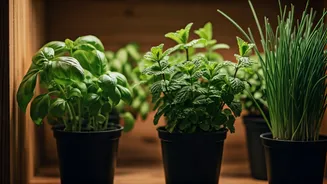
If you're a beginner, chives are a nearly foolproof option. As a member of the onion family, this herb's grassy, hollow leaves provide a mild onion flavour that's perfect for eggs, potatoes, and salads. Chives are remarkably tolerant of lower light levels, though they won't grow as rapidly as they would in full sun. A bright spot that doesn't necessarily get direct sun is often sufficient. Like most herbs, they need well-draining soil and a pot with drainage holes. One of the best things about growing chives is how easy they are to harvest. Simply snip the leaves about two inches from the soil line. The plant will regrow quickly, providing you with a continuous harvest. Regular trimming actually encourages stronger, healthier growth.
4. Lemon Balm (Melissa officinalis)
A delightful member of the mint family, lemon balm brings a beautiful, citrusy scent to any room. It shares mint's tolerance for less-than-ideal light conditions and can thrive indoors year-round. While it enjoys bright light, it also grows well in partial shade and can adapt to an indoor windowsill without direct sun. Like its mint cousins, it can become invasive if planted in a garden, making it an ideal candidate for container growing. Use a well-draining potting mix and let the soil dry out slightly between waterings to prevent root rot. Harvest the leaves frequently to use in teas, desserts, or simply to enjoy the refreshing aroma. Regular pinching of the tips will promote a bushier, more compact plant.