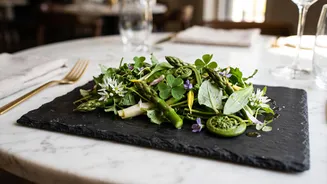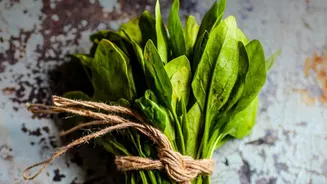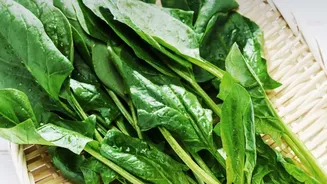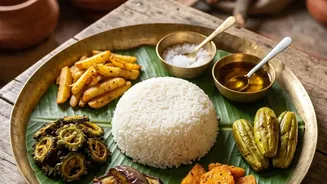

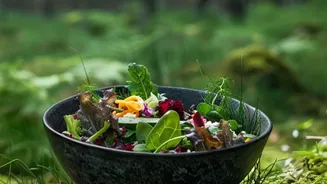

A quiet revolution is unfolding on the plates of India’s finest restaurants. Chefs are looking beyond familiar ingredients, swapping ubiquitous cultivated spinach for unique, seasonal wild greens foraged from the heart of the country.
Beyond Palak: A New World of Flavour
For generations,
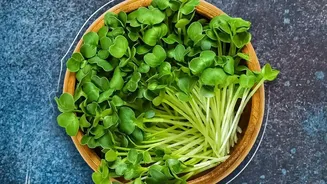
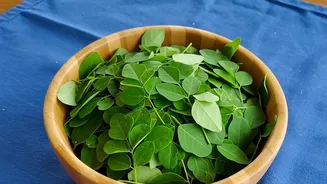
spinach, or 'palak', has been the undisputed king of greens in Indian kitchens. But a growing movement in gourmet circles is challenging this dominance. Chefs are increasingly turning to a diverse array of wild, uncultivated greens, many of which have been staples in rural and tribal diets for centuries but are new to urban palates. These are not your average vegetables; they are plants that grow in the wild, harvested seasonally by communities with deep-rooted ecological knowledge. The appeal lies in their unique flavour profiles, which are often more complex and nuanced than their cultivated counterparts. This shift represents a deeper curiosity to explore India’s vast biodiversity and reconnect with food at its most primal level.
A Taste of the Terroir
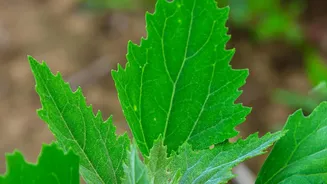
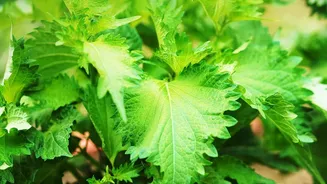
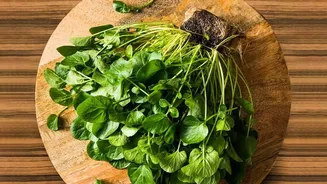
At the forefront of this trend are greens like 'bathua' (Chenopodium album), 'chaulai' (amaranth), and 'gongura' (sorrel leaves). Bathua, also known as lamb's quarters, has a mild, earthy flavour and is a nutritional powerhouse, packed with protein, fibre, and vitamins. Traditionally used in North Indian winter dishes like saag and raita, it's now finding its way into contemporary salads and soups in high-end kitchens. Chaulai offers a similarly robust nutritional profile and is praised for its ability to support bone health. Gongura, with its distinctively sour taste, adds a tangy dimension to dishes that spinach simply cannot replicate. Chefs are drawn to these greens because they offer a 'taste of the place', or terroir, reflecting the specific soil and climate of regions like Madhya Pradesh and Jharkhand in Central India where they are foraged.
The Central India Connection
Central India, with its rich forests and tribal heritage, is a treasure trove of these edible wild plants. Foraging is an integral part of life for many indigenous communities in the region, a practice passed down through generations. This traditional knowledge is now being recognised by culinary experts who travel to these areas to learn from local foragers. Initiatives are emerging that connect these communities with urban markets, providing them with a sustainable livelihood while ensuring the ethical harvesting of these wild resources. This relationship is crucial; it's not about commercialising a tradition to the point of extinction, but about creating a respectful and sustainable exchange that honours the wisdom of the foragers. Chefs and organisations like OOO Farms are working to ensure that the practice is beneficial for both the ecosystem and the communities who are its custodians.
More Than Just a Culinary Trend
This shift towards foraged greens is about more than just novelty. It’s part of a larger global conversation around sustainability, biodiversity, and food security. Many of these wild plants are resilient, require no intensive farming, and are packed with micronutrients often missing from commercially grown produce. By incorporating these 'forgotten greens' into their menus, chefs are not only diversifying their offerings but also helping to preserve agricultural biodiversity that is under threat from monoculture. It's a rejection of the idea that imported 'superfoods' like kale are superior, and a celebration of the nutritional powerhouses growing in India's own backyard. This movement champions a return to eating seasonally and locally, reducing food miles and fostering a deeper appreciation for India's natural bounty.