





Understanding Your 'Molecular Age'
You have a chronological age—the number of candles on your birthday cake—and a biological age, which reflects how old your cells and tissues truly are. One of the most fascinating ways scientists measure this is through 'epigenetic clocks'. These clocks analyze
chemical tags on your DNA, called methylation patterns, which change over your lifetime. Factors like diet, stress, and, most importantly, physical activity can speed up or slow down this clock. Research shows that people with high levels of physical activity have a biological aging advantage of several years over those who are sedentary, effectively having younger cells than their birth certificate might suggest.
Why Muscle Is the Engine of Youthful Aging
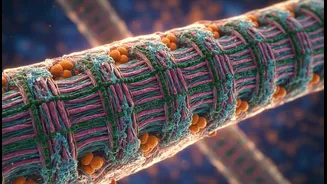
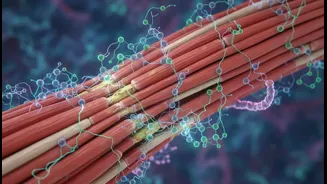
Skeletal muscle is more than just a tool for movement; it's a critical metabolic organ that plays a huge role in overall health. As we get older, we naturally lose muscle mass and function in a process that can begin as early as our 30s. This decline isn't just about strength; it affects our metabolism, blood sugar regulation, and ability to recover from illness. However, studies consistently show that exercise can dramatically slow or even reverse many of these age-related changes in muscle tissue. In fact, research on exercise-trained older adults has found that their muscle tissue can have molecular profiles that look remarkably similar to those of much younger people.
How Exercise Resets the Clock
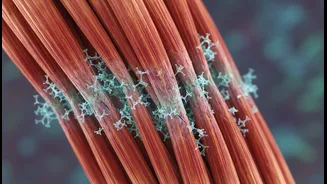
So, how does exercise work its magic? When you engage in physical activity, you're sending powerful signals to your muscles. Recent discoveries have pinpointed specific molecular 'switches' that exercise flips. For instance, a 2026 study from Duke-NUS Medical School found that exercise helps lower levels of a gene called DEAF1. As we age, rising DEAF1 levels can disrupt the balance of protein production and cleanup in muscle cells, leading to weakness. Exercise effectively hits a reset button, restoring this balance and allowing muscles to clear out damage and repair themselves properly. This process helps preserve not only strength but also the muscle's metabolic health, including how it responds to insulin.
The Undeniable Power of Consistency
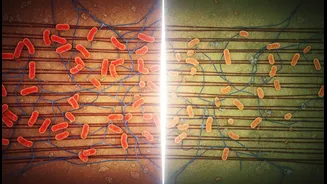
While an intense workout is beneficial, the real anti-aging power comes from consistency. It's the regularity of physical activity that trains your body's internal 'clocks', including those within your muscles. These 'muscle clocks' learn to anticipate your daily activity, optimizing energy and repair processes accordingly. Studies show that sustained training is what truly transforms the molecular profile of aging muscle. One study even found that half of the age-related molecular changes in muscle were absent in older adults who trained consistently. This suggests that it’s not about sporadic bursts of effort but about building a regular, sustainable habit that continuously tells your body to stay youthful and resilient.
What 'Consistent' Exercise Looks Like
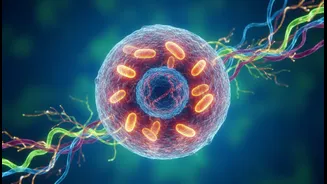
You don't need to become an elite athlete to reap these rewards. The key is a structured and regular routine. Research indicates that a combination of aerobic and strength training is highly effective. For example, some studies define a 'highly active' level as about 30-40 minutes of jogging or brisk walking five days a week. Strength training, performed at least twice a week, is crucial for maintaining muscle mass and function. The goal is to choose activities you enjoy and can stick with over the long term. This consistency is what rewires your muscles at a molecular level, slowing epigenetic aging and preserving the powerhouse of your cells—the mitochondria—for years to come.