

Why Most Houseplants Crave Humidity
Many of the most popular indoor plants—including calatheas, ferns, orchids, and monsteras—originate from tropical climates where the air is consistently moist. Our homes, especially when heated or air-conditioned, are comparatively dry. This lack of ambient
moisture can stress plants, leading to symptoms like brown, crispy leaf edges, yellowing leaves, or new leaves that struggle to unfurl properly. Plants 'breathe' through tiny pores on their leaves called stomata. In dry air, they lose moisture too quickly through these pores, a process called transpiration. Adequate humidity helps them maintain a healthy balance.
The Shortcomings of Misting
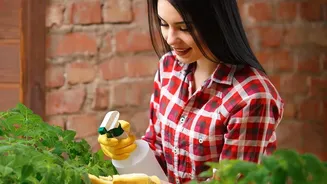
The daily ritual of misting leaves feels intuitive, but it's largely ineffective as a long-term humidity strategy. The fine spray of water provides a temporary moisture boost that evaporates within minutes, especially in a room with any air circulation. To have any meaningful impact, you would need to mist your plants every 15-20 minutes, which is impractical for most people. While misting isn't entirely useless—it can be good for cleaning dust off leaves or deterring pests like spider mites—it fails to create the stable, humid microclimate that tropical plants need to thrive. Furthermore, allowing water to sit on leaves for extended periods, especially overnight, can sometimes encourage fungal or bacterial diseases.
The Superior Science of a Humidity Tray
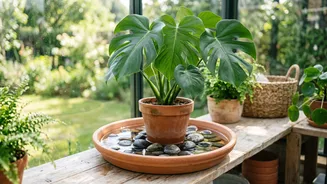
A humidity tray, also known as a pebble tray, offers a simple, passive, and continuous solution. It’s essentially a shallow dish filled with pebbles and water. The plant pot sits on top of the pebbles, above the waterline, so its roots are never sitting in water, which prevents root rot. As the water in the tray evaporates, it creates a localized pocket of higher humidity directly around the plant. The pebbles serve a dual purpose: they elevate the pot and increase the surface area for evaporation. While a single tray won't humidify an entire room, it creates a consistent microclimate right where the plant needs it most, mimicking its natural environment far more effectively than a fleeting spray of mist.
How to Make Your Own Humidity Tray
Creating a humidity tray is a simple and affordable DIY project. All you need are three basic components: a shallow tray, pebbles, and water. For the tray, choose a waterproof saucer or dish that is wider than the base of your plant's pot; the larger the surface area, the more effective the evaporation. Avoid unsealed terracotta saucers, as they can wick water onto your furniture. Fill the tray with a layer of pebbles, decorative stones, or gravel. Then, add water until it is just below the top of the pebbles. Finally, place your potted plant on top of the stones. Make sure the bottom of the pot is not touching the water directly. Check the tray every few days and refill the water as it evaporates to maintain a consistent level of moisture.
Best Practices and Ideal Plants
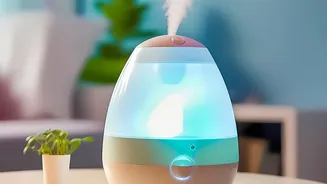
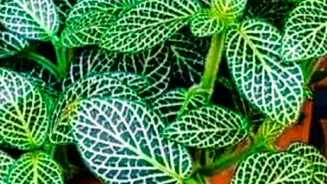
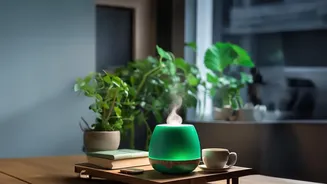
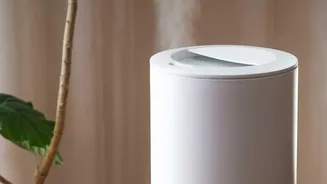
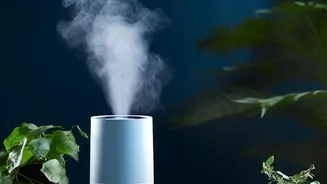
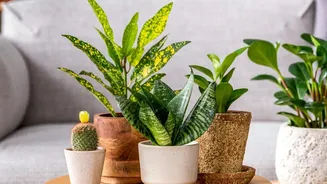
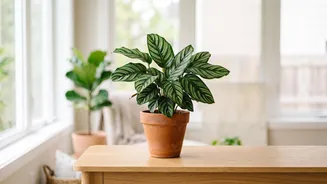
Humidity trays are particularly beneficial for tropical plants known for their love of moisture. This includes ferns, calatheas, marantas (prayer plants), orchids, philodendrons, and alocasias. Grouping several of these plants together on a larger tray or in close proximity can amplify the effect, as plants naturally release moisture through transpiration, contributing to a shared humid environment. However, not all plants need this treatment. Desert dwellers like succulents and cacti prefer dry conditions and should be kept away from humidity trays. For an even greater humidity boost, especially in very dry homes, you might consider using a room humidifier, which is the most effective method for raising the humidity of an entire space. But for a low-cost, low-maintenance, and targeted solution, the humidity tray is an excellent upgrade to any plant care routine.