
The Lithium Bottleneck
For years, the electric vehicle revolution has been powered by lithium-ion batteries. They are energy-dense and have a long lifespan, making them ideal for modern EVs. However, this technology comes with significant challenges, especially for India. The country
has very limited reserves of lithium and cobalt, two critical minerals required for these batteries. This creates a heavy dependence on imports, particularly from China, which dominates the global processing and supply chain. This reliance not only poses geopolitical risks but also makes battery costs vulnerable to global price fluctuations and supply chain disruptions, directly impacting the final cost of an EV for the Indian consumer.
Enter the Sodium-Ion Solution
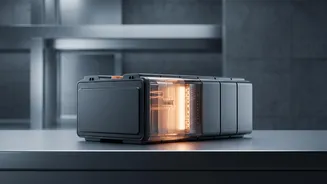
Sodium-ion batteries work on a principle similar to their lithium-ion cousins, but they use sodium ions as charge carriers. The primary advantage is the raw material itself: sodium. It is the sixth most abundant element on Earth, found plentifully in common salt. This makes it significantly cheaper and its supply chain far more stable and geographically diverse than lithium's. Moreover, these batteries can be built using existing lithium-ion manufacturing infrastructure with minor adjustments, reducing the capital investment needed for production. This combination of cheap, abundant raw materials and compatibility with current manufacturing processes makes sodium-ion technology a compelling proposition for a price-sensitive market like India.
Breaking Down the Cost Savings
The cost reduction from using sodium-ion batteries is multi-faceted. The raw material, sodium carbonate (soda ash), is dramatically cheaper than battery-grade lithium. Further savings come from the battery's internal construction. Sodium-ion cells can use aluminum foil for both the positive and negative current collectors, whereas lithium-ion cells require more expensive copper on the anode side. Industry estimates suggest that at scale, sodium-ion battery packs could be 25-40% cheaper to produce than comparable lithium-iron-phosphate (LFP) batteries. This substantial cost-cutting directly addresses the biggest component of an EV's price tag, holding the potential to bring electric two-wheelers, three-wheelers, and small cars within reach of the mass market.
Indian Pioneers Leading the Charge
Several Indian companies are aggressively pursuing this technology. Reliance Industries made a significant move by acquiring UK-based sodium-ion specialist Faradion for $135 million, with plans to use the technology in its upcoming gigafactory in Jamnagar. Pune-based automotive tech firm KPIT Technologies has also developed its own proprietary sodium-ion battery, which boasts a long life cycle and faster charging capabilities. KPIT is partnering with Trentar Energy Solutions to commercialise the technology, with Trentar planning to invest in a 3 GWh manufacturing plant. These initiatives, backed by government incentive schemes for advanced cell manufacturing, are creating a robust domestic ecosystem for sodium-ion production.
Trade-Offs and the Road Ahead
Despite the immense potential, sodium-ion technology is not a universal replacement for lithium-ion just yet. Its main trade-off is lower energy density, which means the batteries are heavier for the same amount of energy stored. This makes them less suitable for long-range, high-performance luxury EVs. However, they are an excellent fit for urban mobility—think city commuter cars, scooters, and autorickshaws—where daily travel distances are shorter. They also offer superior safety, with a lower risk of thermal runaway (fires), and can operate effectively across a wider temperature range, a crucial benefit for India's diverse climate. The technology is still in the early stages of mass commercialisation, but as production scales up, the cost benefits are expected to become even more pronounced.